



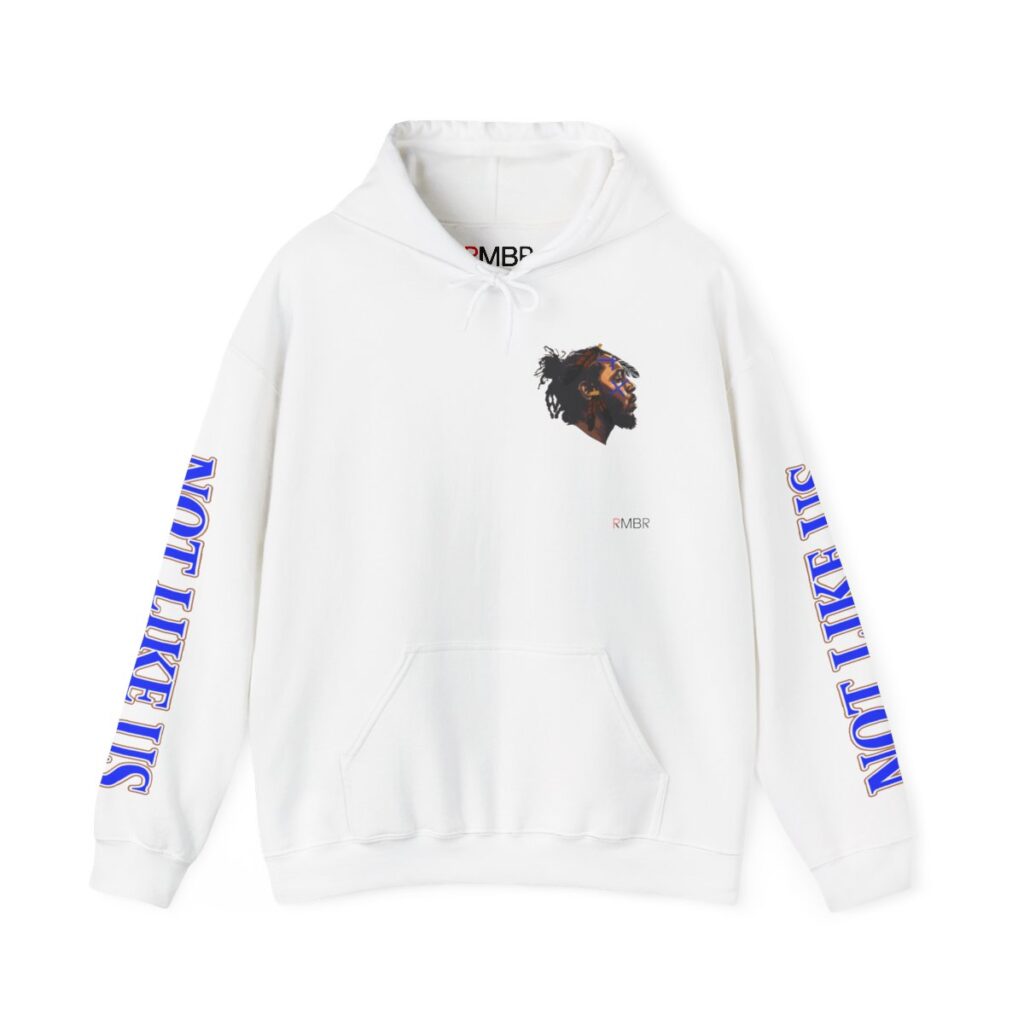



WEST CHI — KENDRICK LAMAR
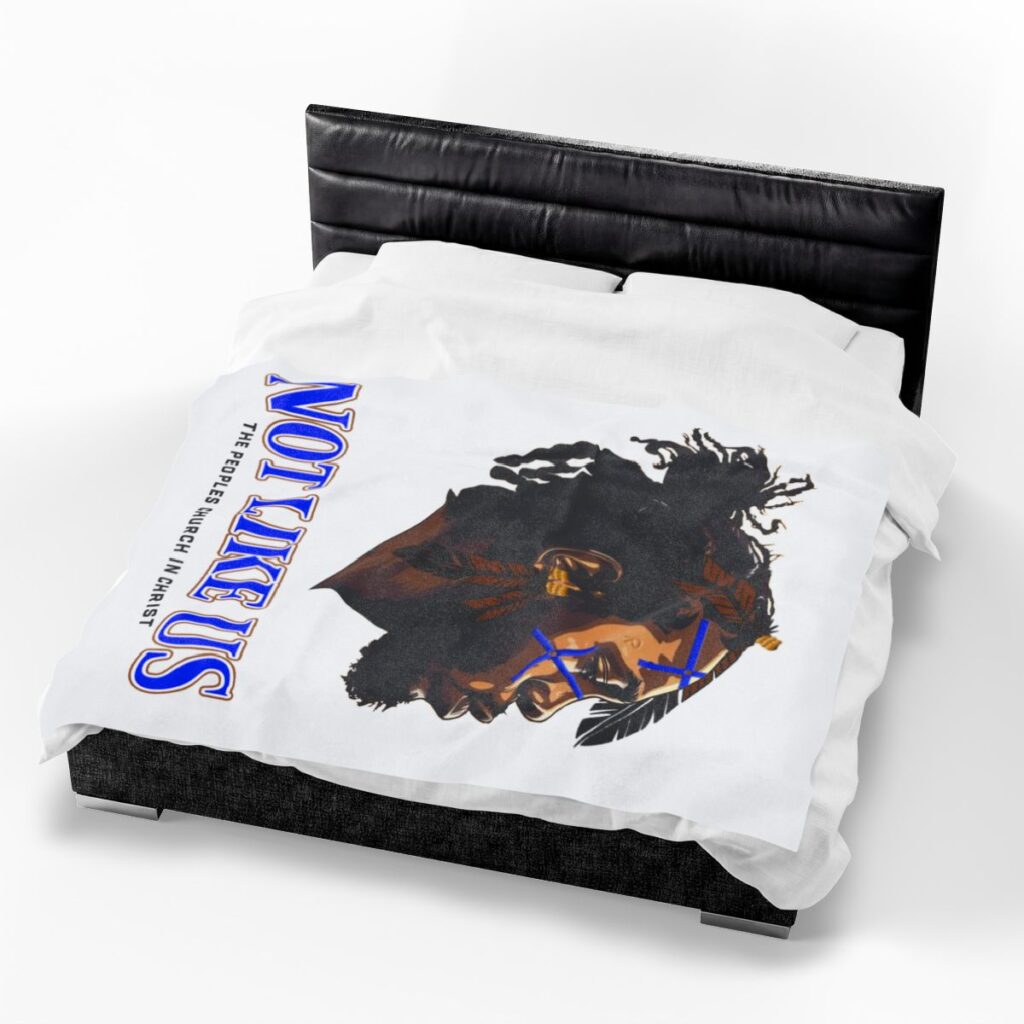
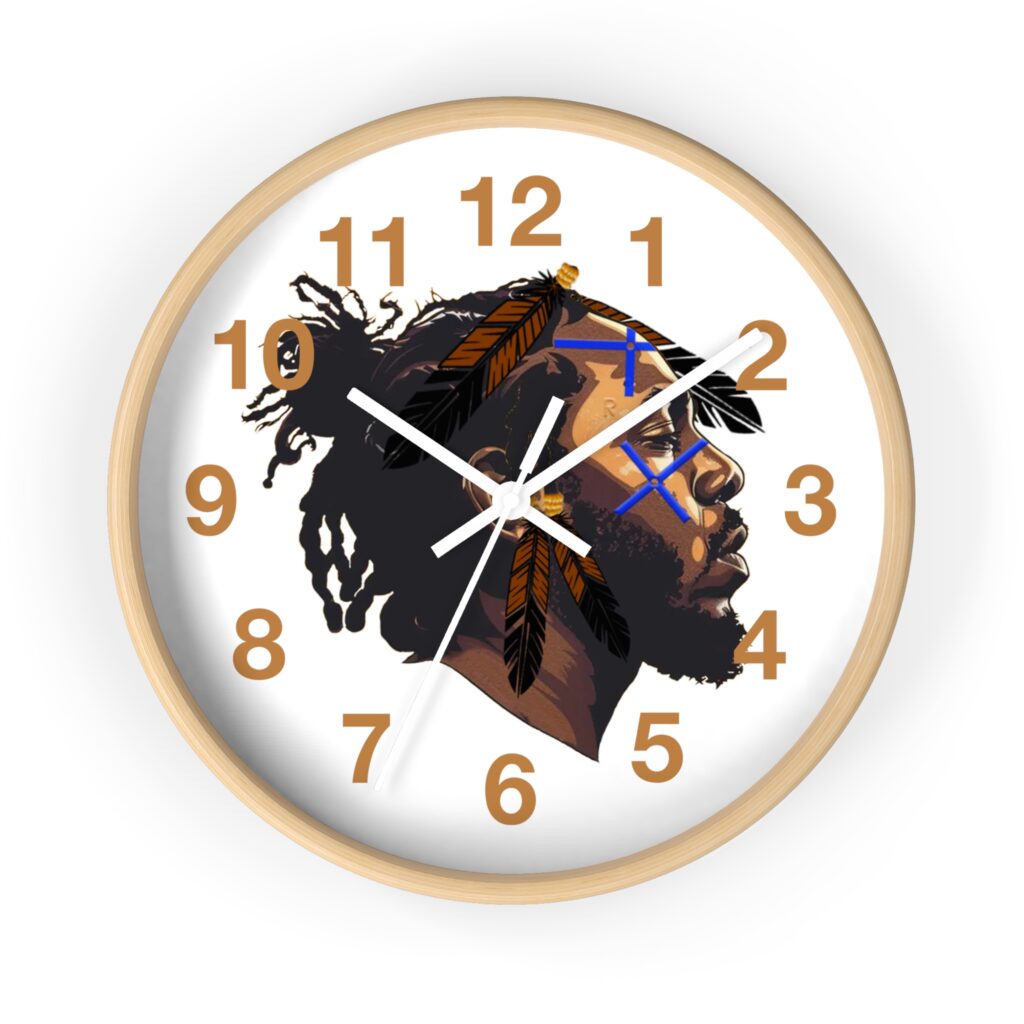
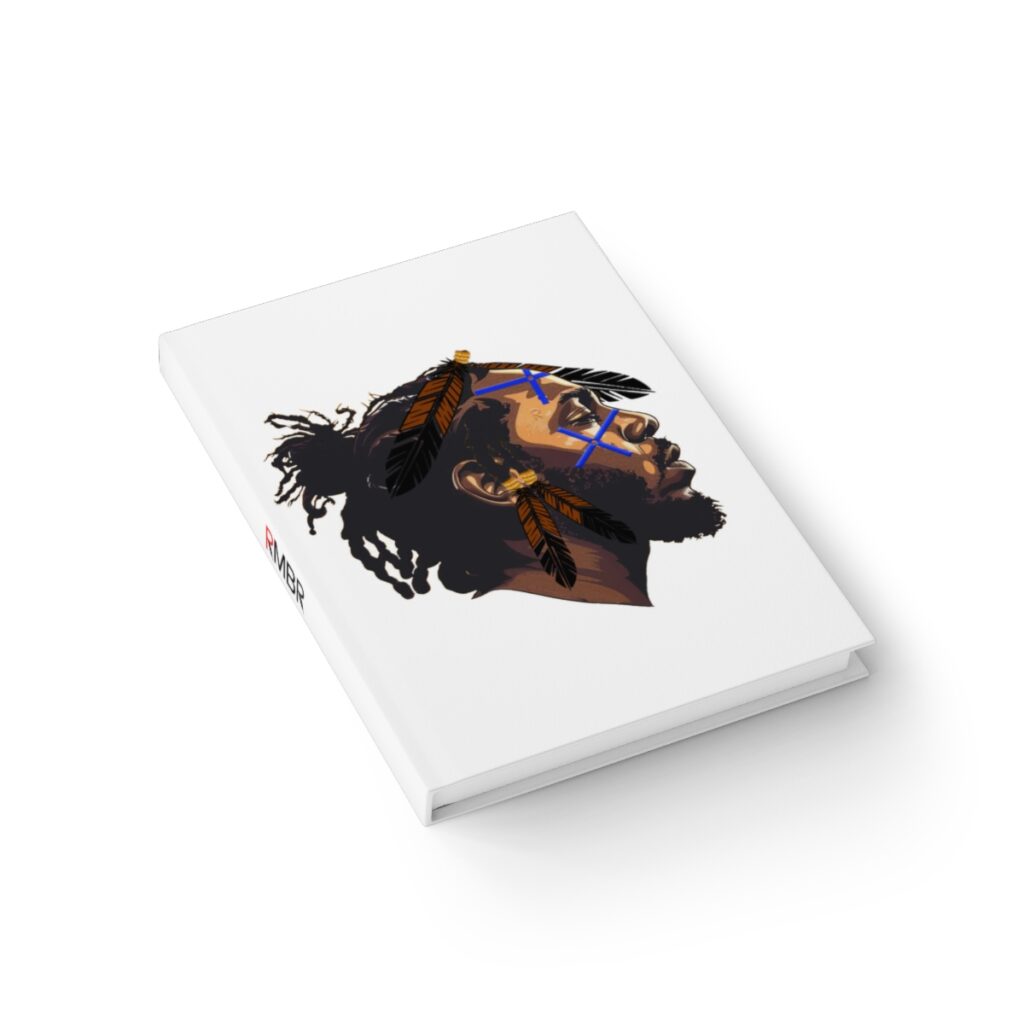
 The WEST CHI collection lives at the intersection of music, memory and spiritual identity. As part of the Indigenous category, this piece reimagines Kendrick Lamar as an American Indian tribal leader—not as fantasy, but as metaphor. Kendrick’s role in culture has never been limited to entertainment; he operates as a modern-day griot, philosopher and community voice, carrying ancestral truths through contemporary language.
Kendrick Lamar as a Cultural Leader
 Kendrick’s artistry has always centered responsibility. From good kid, m.A.A.d city to To Pimp a Butterfly and Mr. Morale & the Big Steppers, his music explores lineage, trauma, accountability, faith and collective survival. Like traditional tribal leadership, his authority doesn’t come from dominance—it comes from truth-telling, self-examination and service to the people.
In WEST CHI, Kendrick is positioned as a leader who navigates contradiction: sacred and secular, street and scripture, pain and healing. This mirrors Indigenous leadership traditions where wisdom is earned through experience, humility and endurance—not performance.
Roses & “Money Trees”
 The roses encircling Kendrick’s neck reference Money Trees, but here they represent more than success. They symbolize growth under pressure—beauty cultivated in hostile environments. In many Indigenous and diasporic traditions, plants are teachers. Roses remind us that prosperity is not merely financial; it is communal, spiritual and moral. What you water determines what survives.
 The Hebrew Israelite Reference
On the back, the fictional “Not Like Us – My Peoples Church in Christ” draws from the cultural presence of Hebrew Israelite movements within Black American communities. Historically, these groups emerged as responses to displacement, erasure and the denial of identity. At their core is a reclaiming of biblical lineage, law, discipline and covenant—often framed as a return to who the people were before captivity and reclassification.
 “Not Like Us” as Declaration
The phrase “Not Like Us” operates on multiple levels. It references Kendrick’s music, his artistic independence and his refusal to conform to industry expectations. But deeper than rivalry, it asserts cultural distinction—the idea that survival requires remembering who you are when systems try to rename you.
This mirrors Indigenous and diasporic experiences where identity is preserved orally, spiritually and creatively when official records fail.
Why WEST CHI Matters
 WEST CHI is about leadership rooted in accountability, spirituality grounded in struggle, and art as a vessel for collective memory. It frames Kendrick Lamar not just as a rapper, but as a cultural conductor—someone translating ancient questions into modern sound.
This piece invites conversation about spiritual reclamation vs. spiritual performance. It looks at identity beyond labels and treats art as modern ceremony. WEST CHI is what true leadership looks like without crown. Wear WEST CHI as a statement of awareness. Not just of Kendrick’s influence—but of the deeper cultural currents he moves through. This isn’t fashion for attention. It’s fashion for remembrance.
ACCESSORIES
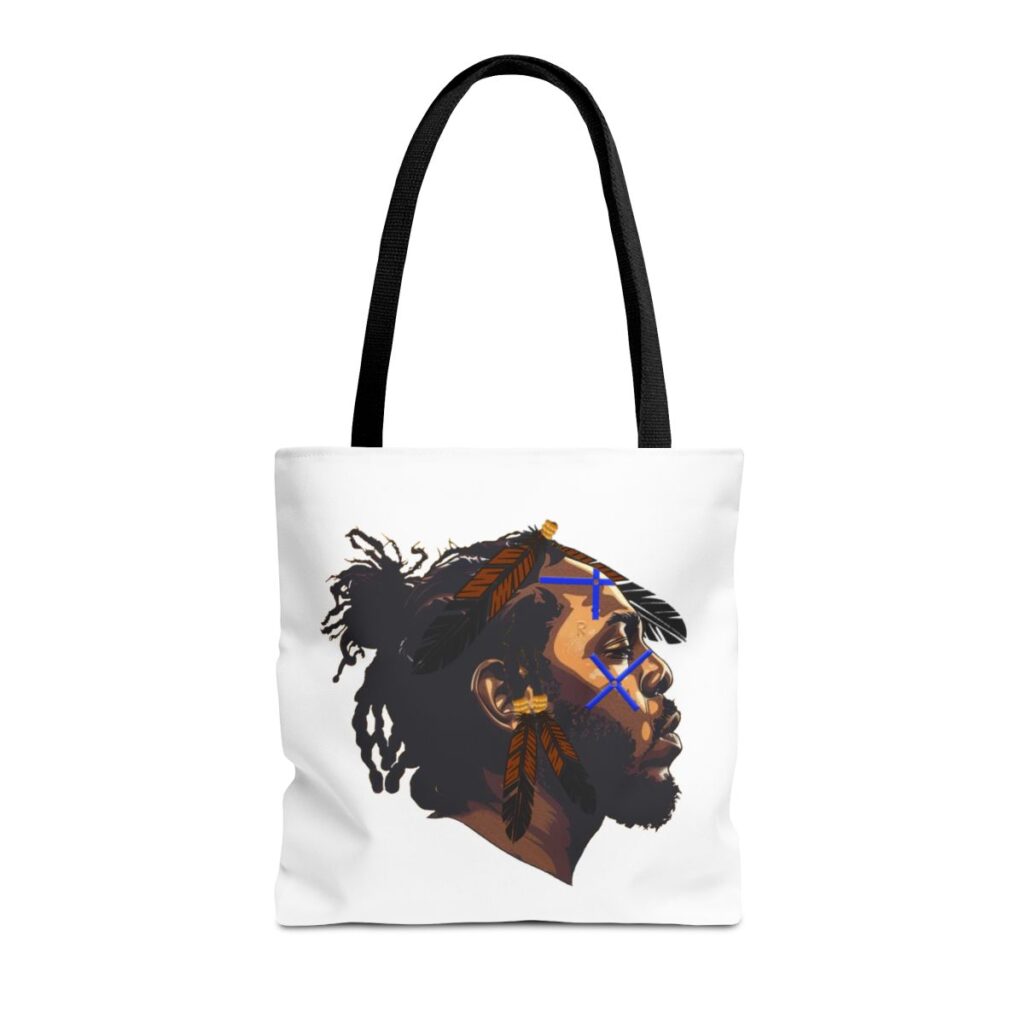
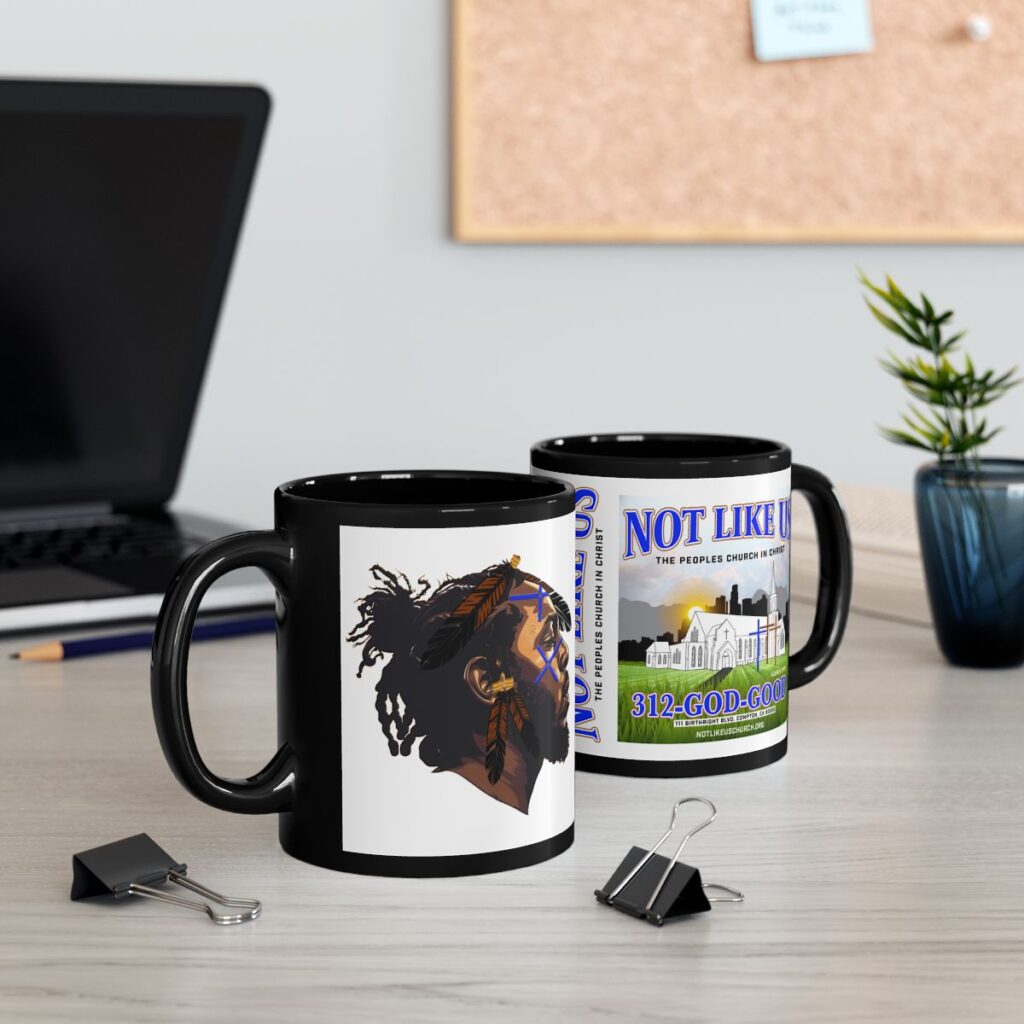
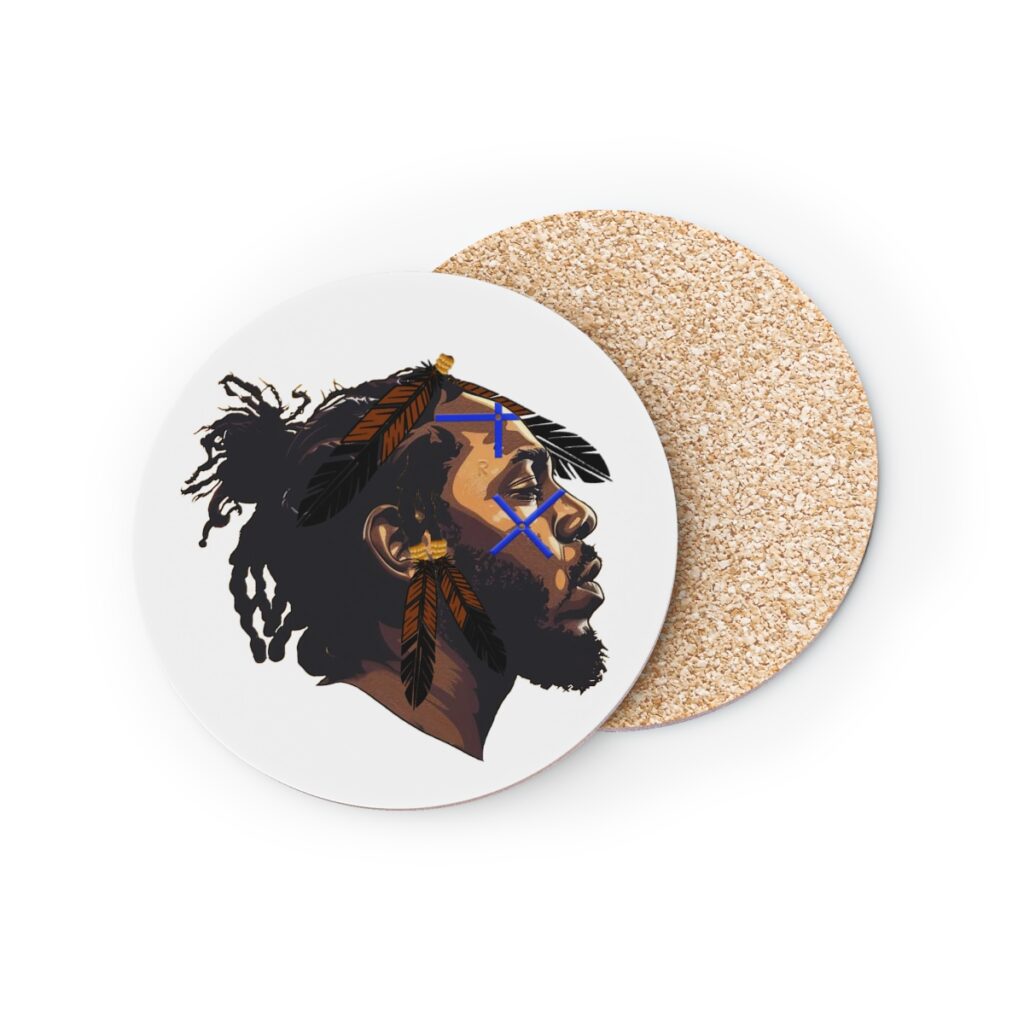



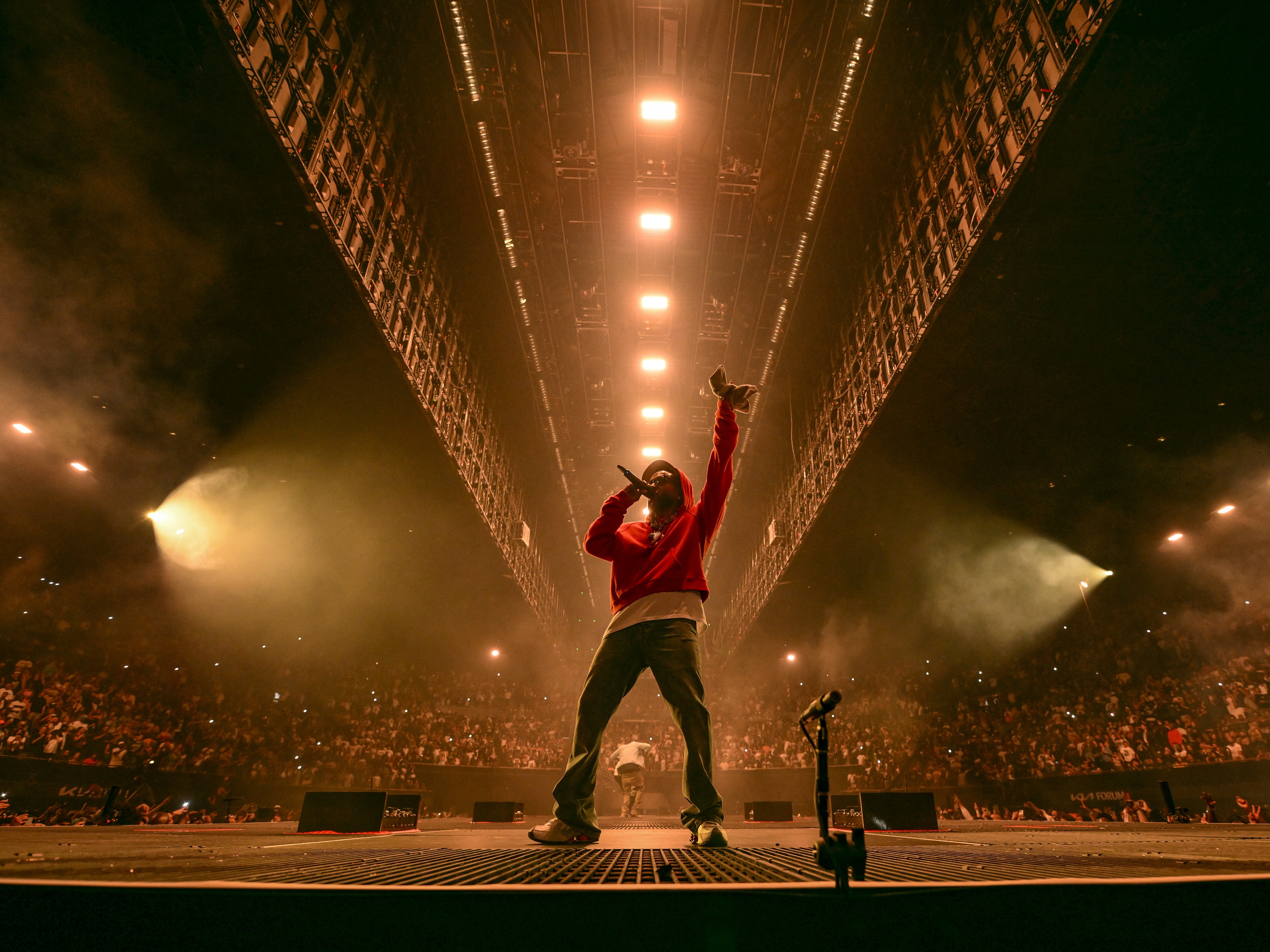
Kendrick Lamar is an American rapper, songwriter and cultural thinker widely regarded as one of the most important artists of his generation—not just for his lyricism, but for how he uses music as moral inquiry, historical record and community dialogue.
Origins & Foundation
- Born June 17, 1987, in Compton, California
- Raised amid gang culture, economic pressure and spiritual contradiction
- Influenced by West Coast elders like Tupac Shakur, Dr. Dre and the tradition of socially conscious rap of a Common and Andre 3000.
Kendrick’s environment didn’t just shape his sound—it shaped his sense of responsibility. From the beginning, his music asked: What do we owe our people once we make it out?
Artistic Evolution (Albums as Chapters)
Kendrick’s discography reads like a spiritual and cultural autobiography:
- good kid, m.A.A.d city (2012)
A coming-of-age narrative about survival, temptation and consequence. Often described as a modern urban scripture. - To Pimp a Butterfly (2015)
A dense fusion of jazz, funk, poetry and protest. This album positioned Kendrick as a cultural historian, addressing Black identity, capitalism, trauma and self-worth. - DAMN. (2017)
A meditation on morality—pride vs. humility, fear vs. faith. This project earned Kendrick the Pulitzer Prize, the first ever awarded to a hip-hop artist. - Mr. Morale & the Big Steppers (2022)
A raw, therapeutic album confronting generational trauma, accountability, masculinity and healing. Less about preaching, more about confession.
Kendrick as a Cultural Leader
Kendrick operates like a modern tribal voice:
- He speaks to the people, not over them
- His authority comes from vulnerability, not dominance
- He critiques power—including his own position within it
Much like Indigenous or ancestral leadership traditions, Kendrick’s role is not to entertain endlessly, but to carry truth, even when it’s uncomfortable.
Spiritual & Philosophical Themes
Kendrick’s work is layered with:
- Biblical imagery
- Questions of divine judgment vs. mercy
- Identity reclamation
- Cycles of sin, survival and redemption
He doesn’t offer simple answers—he stages conversations. This is why his music resonates beyond hip-hop into academia, theology and cultural studies.
Impact & Legacy
- Pulitzer Prize winner
- Multiple Grammy Awards
- Studied in universities worldwide
- Referenced in political, cultural and spiritual discourse
Kendrick Lamar didn’t just raise the bar for rap—he changed what rap could be.
Why Kendrick Matters
Kendrick Lamar represents a rare figure in modern culture:
- An artist who resists commodification
- A storyteller who centers community over ego
- A leader who understands that art is ceremony
He reminds us that music can still teach, challenge, heal and remember.