

 The Washitaw by RMBR
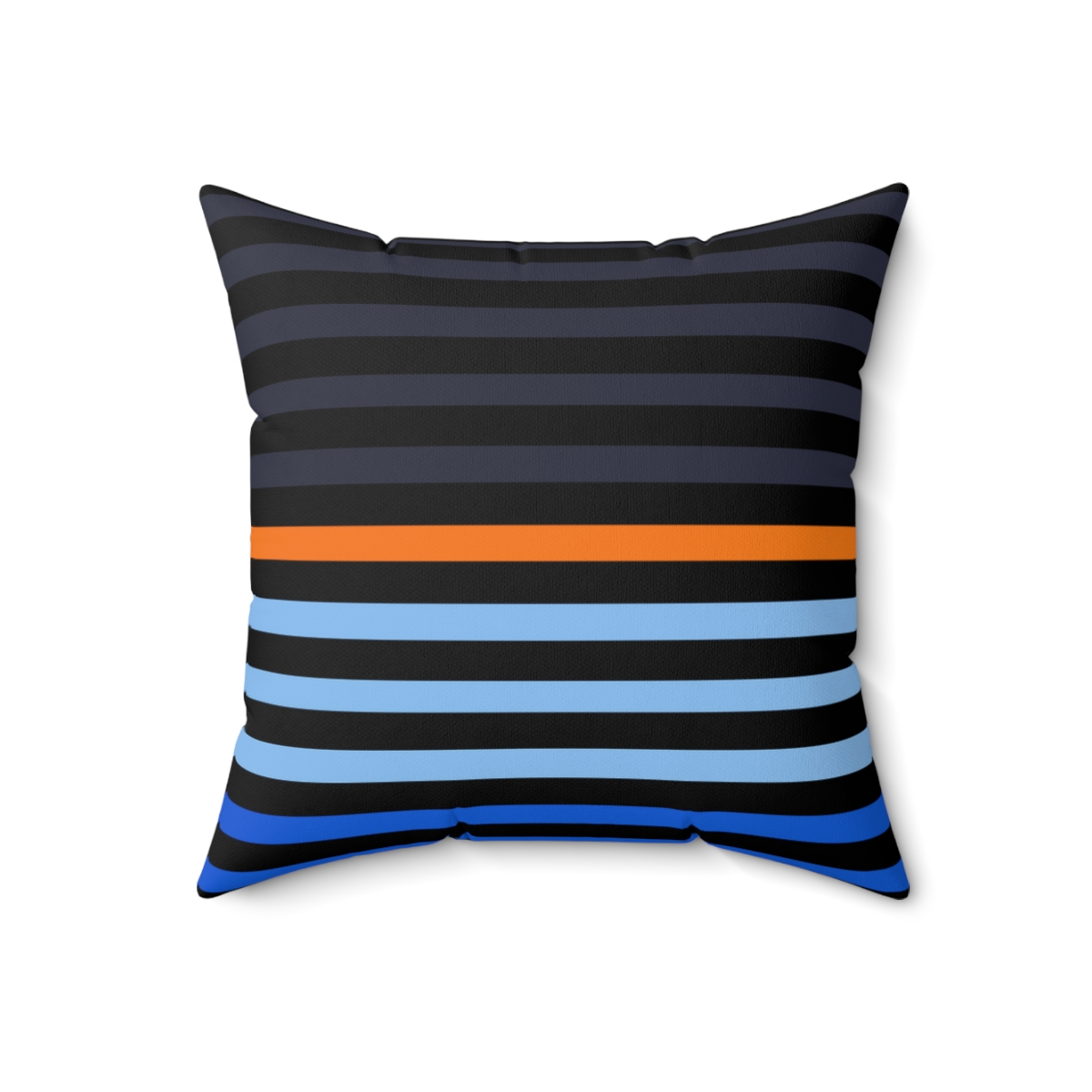
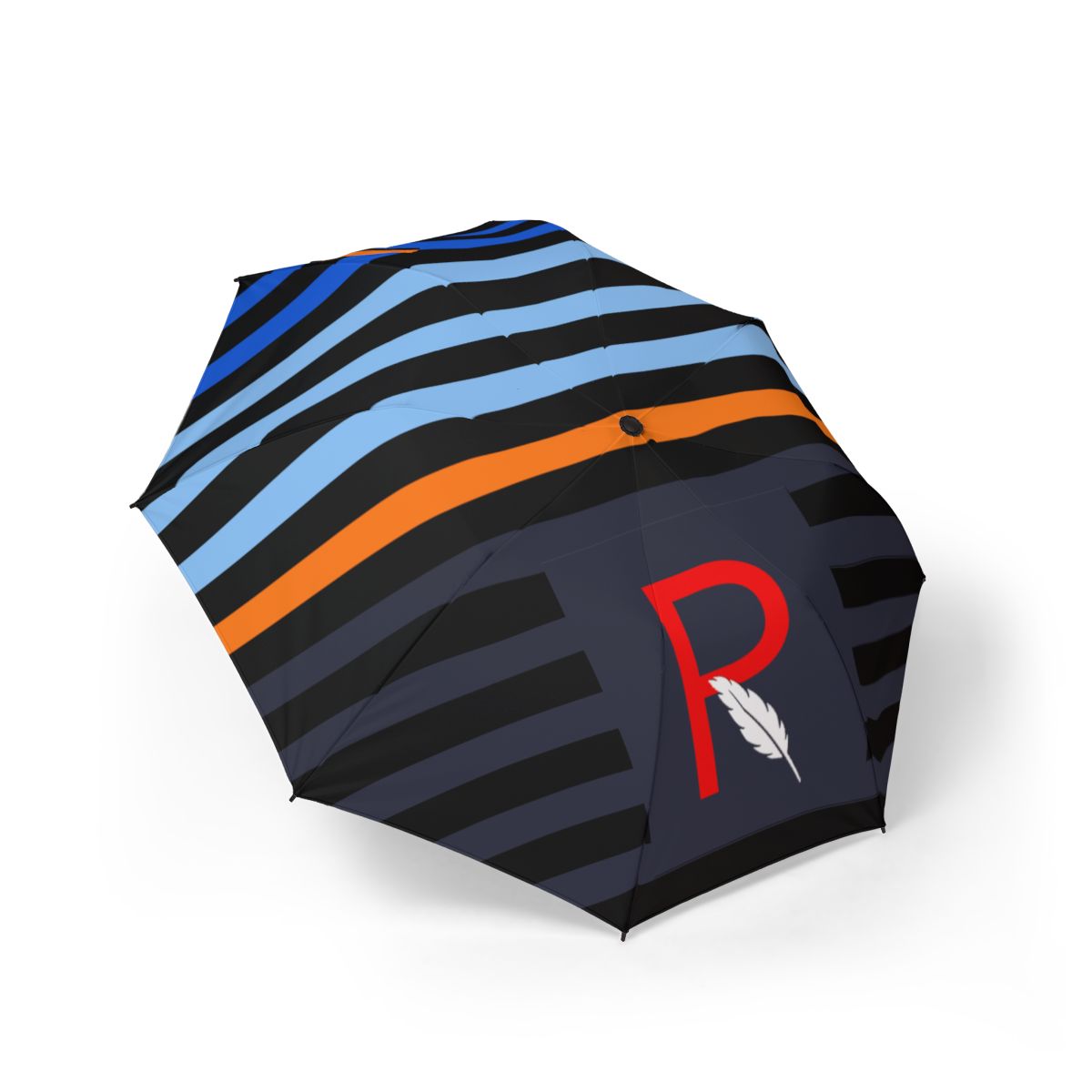
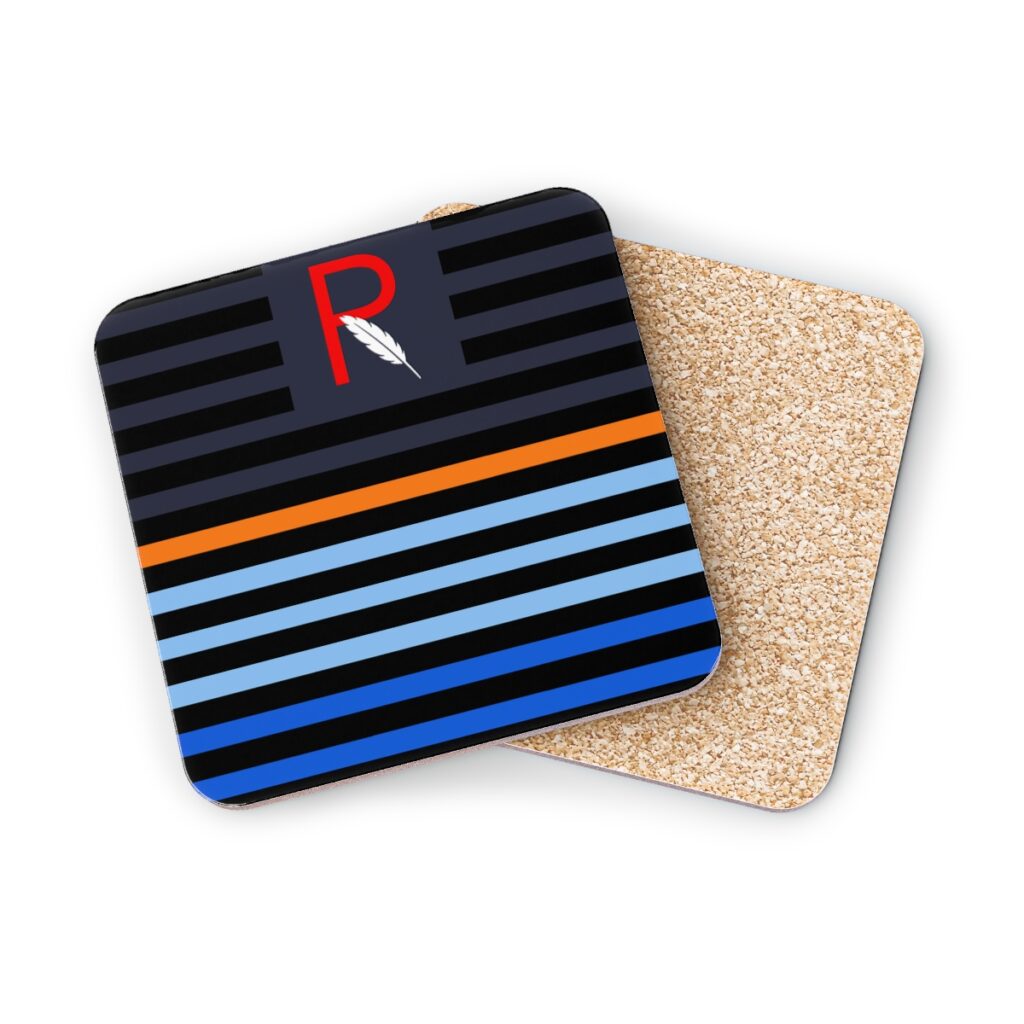
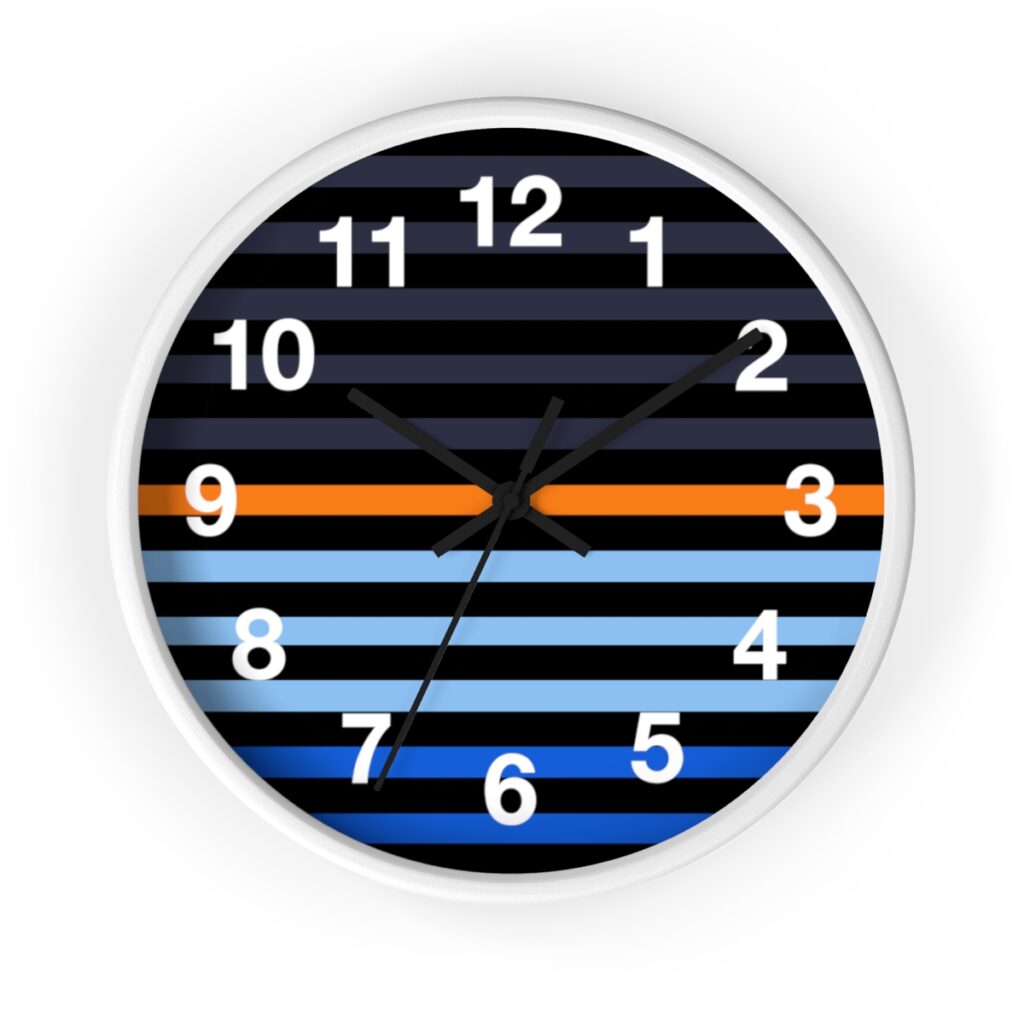
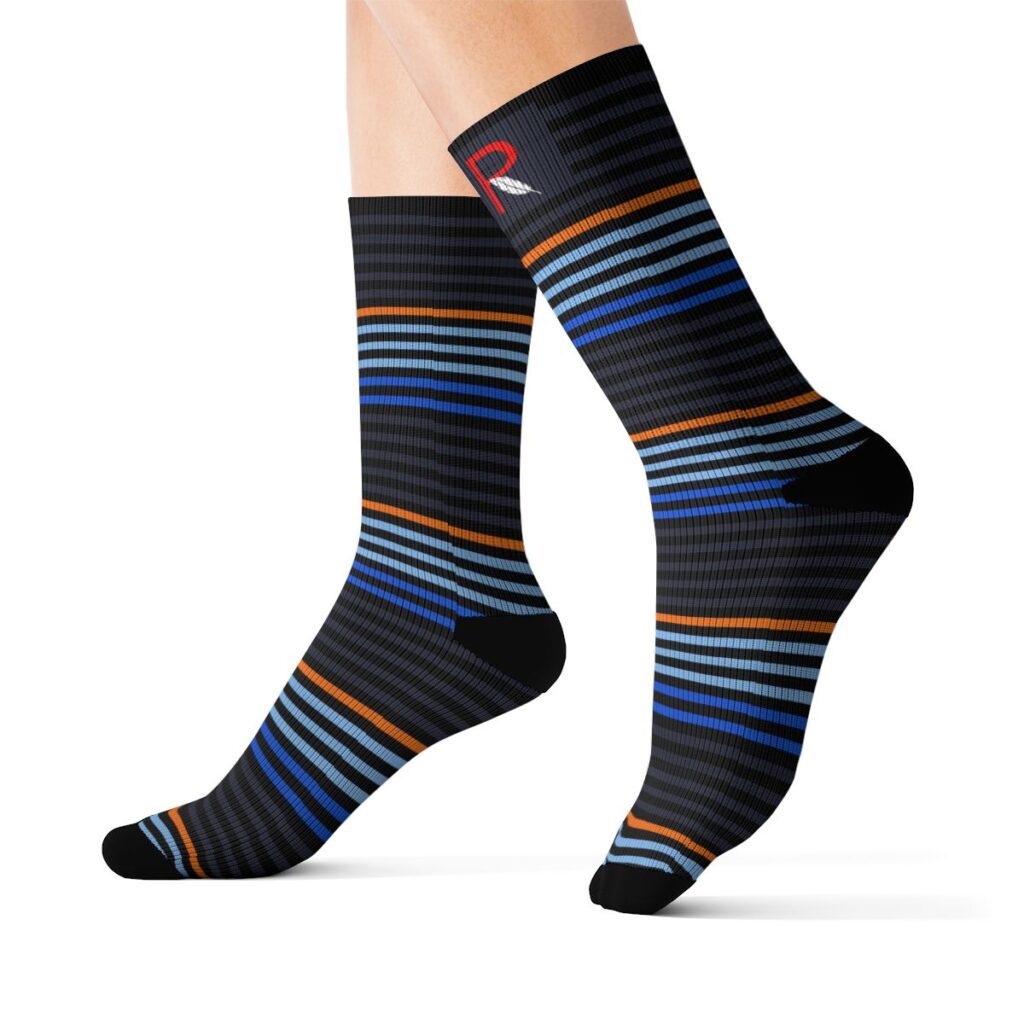
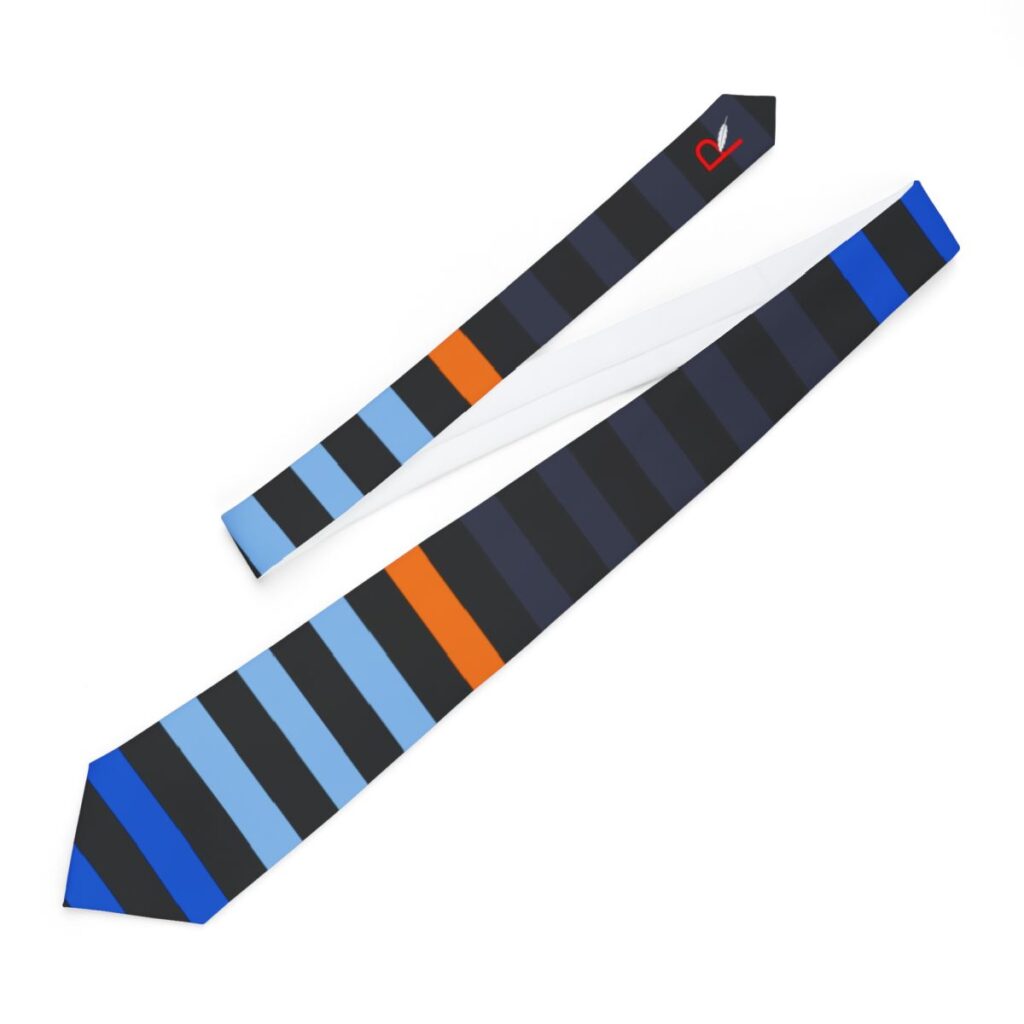
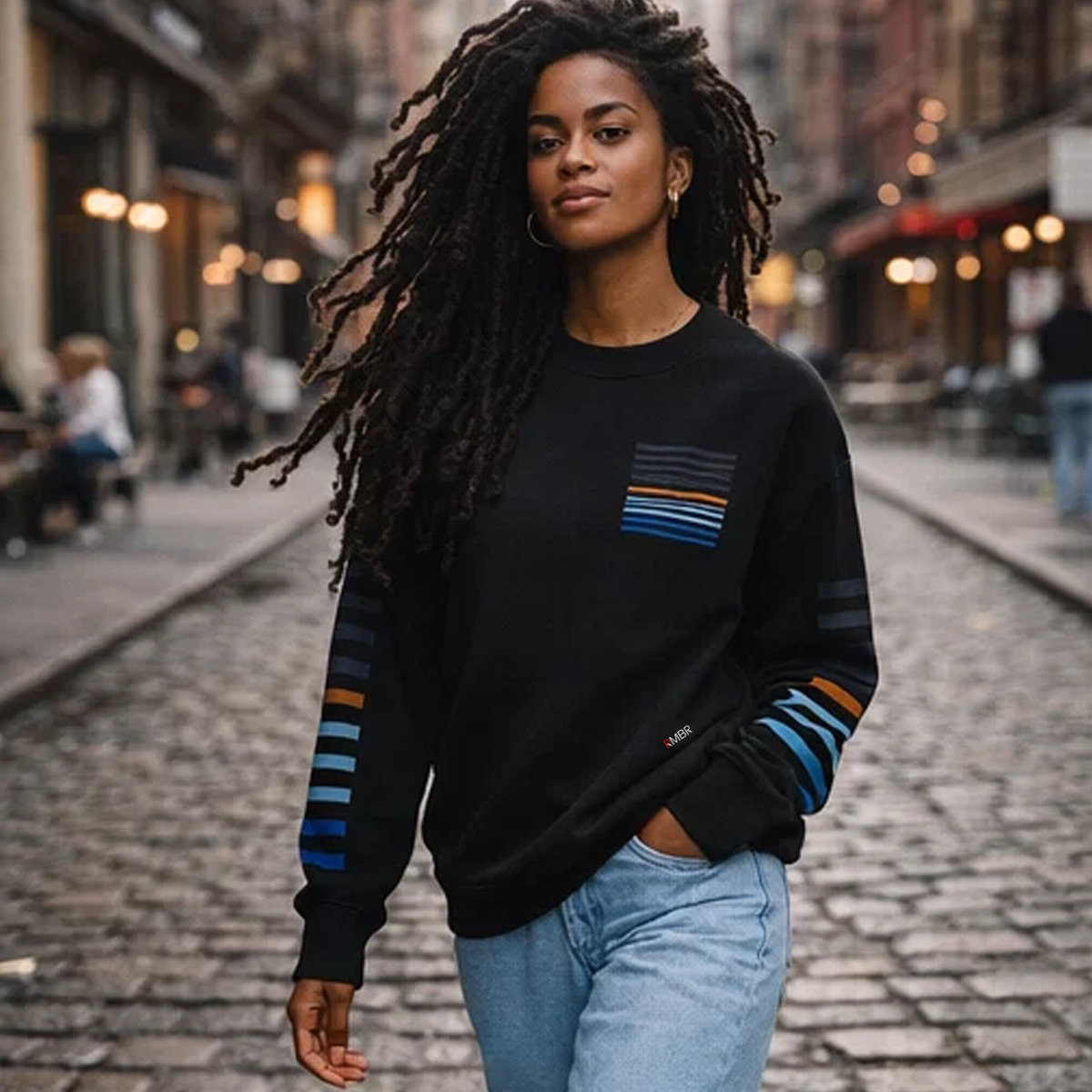
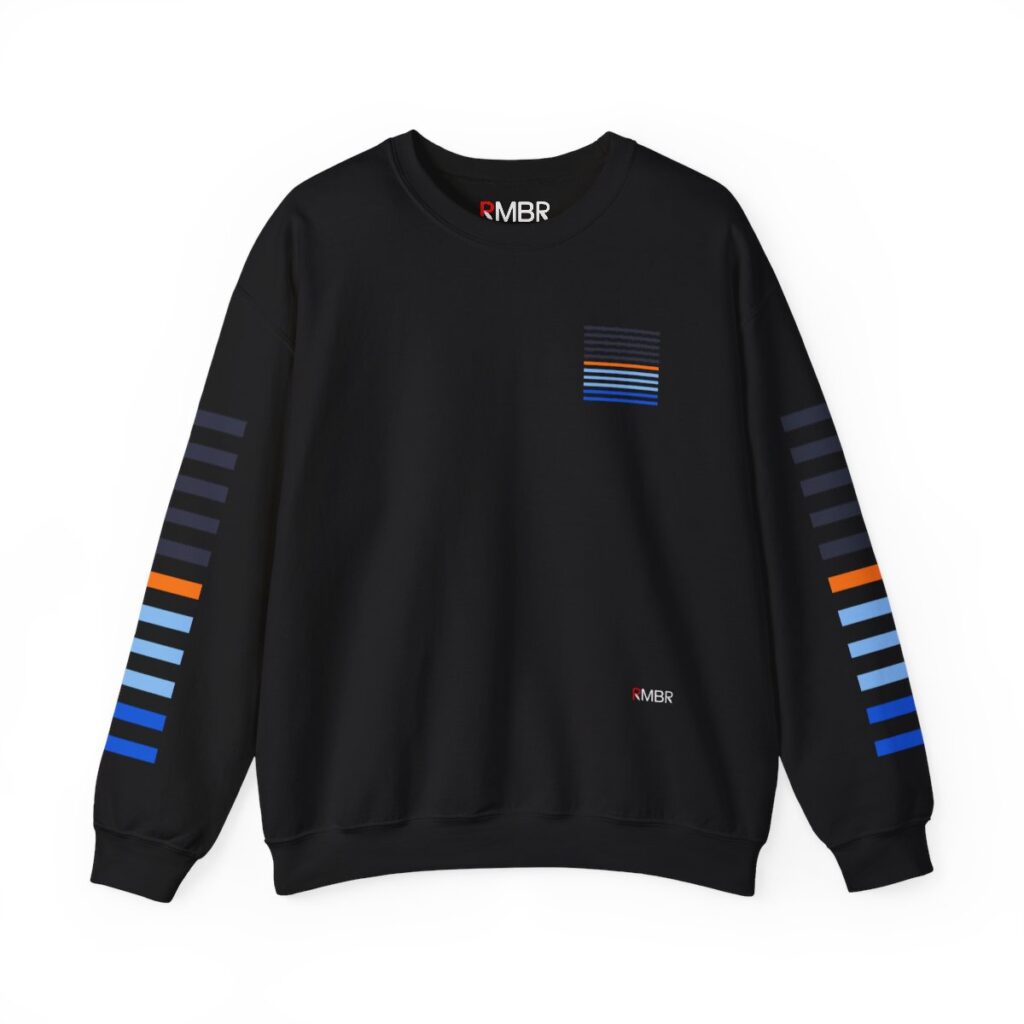
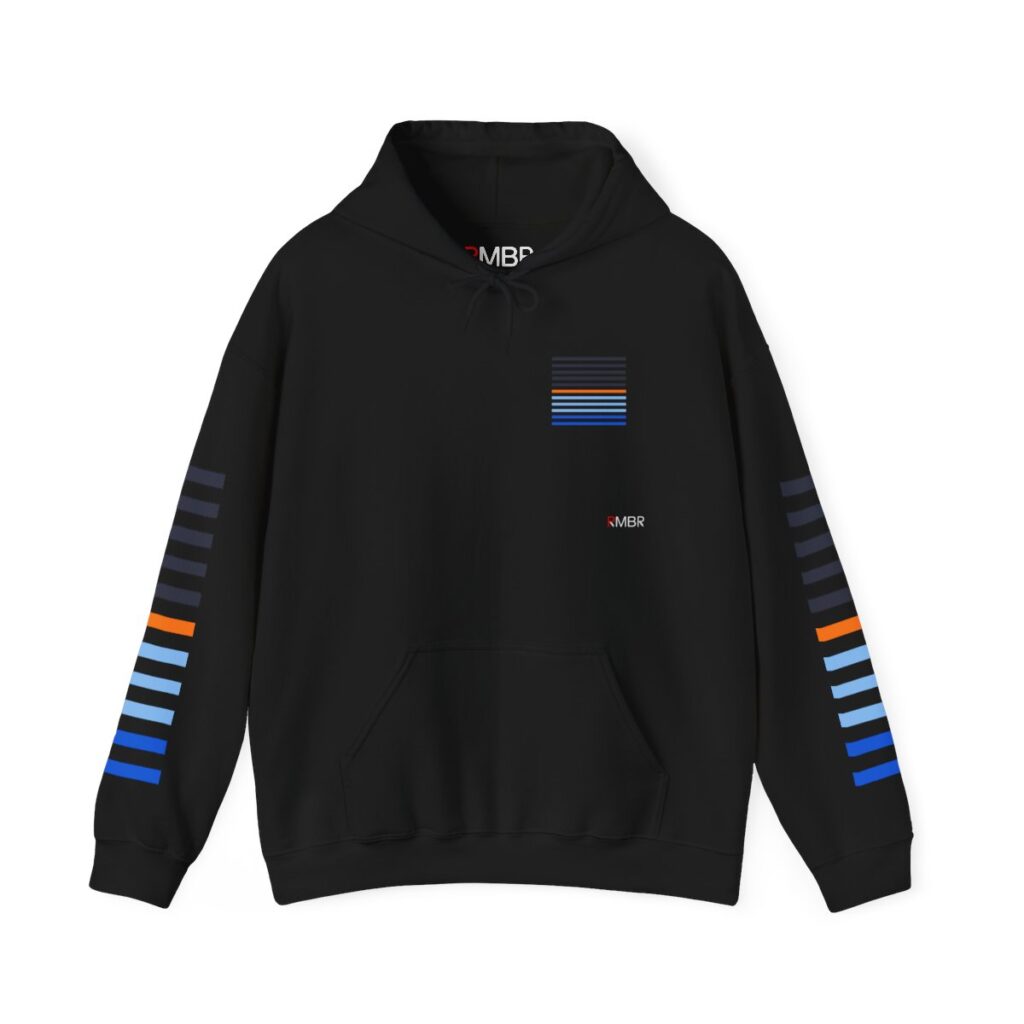
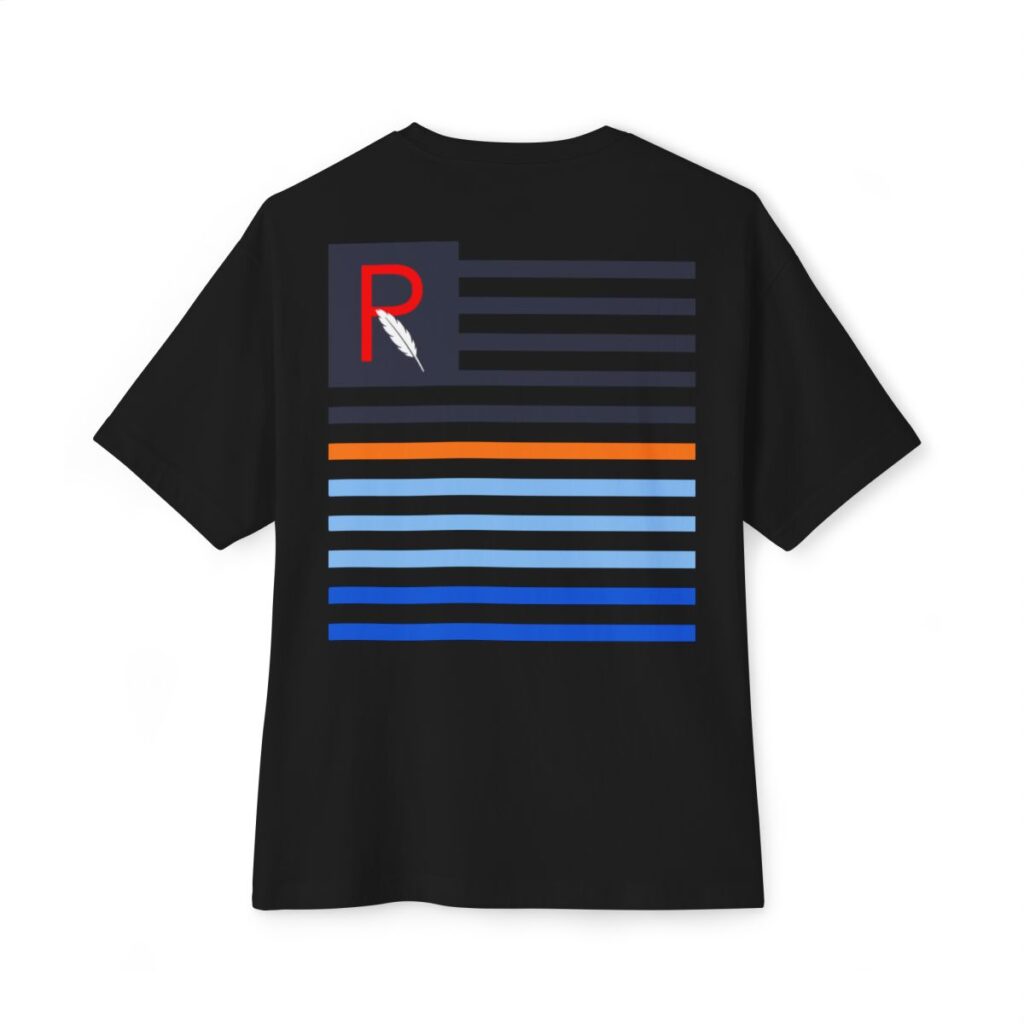
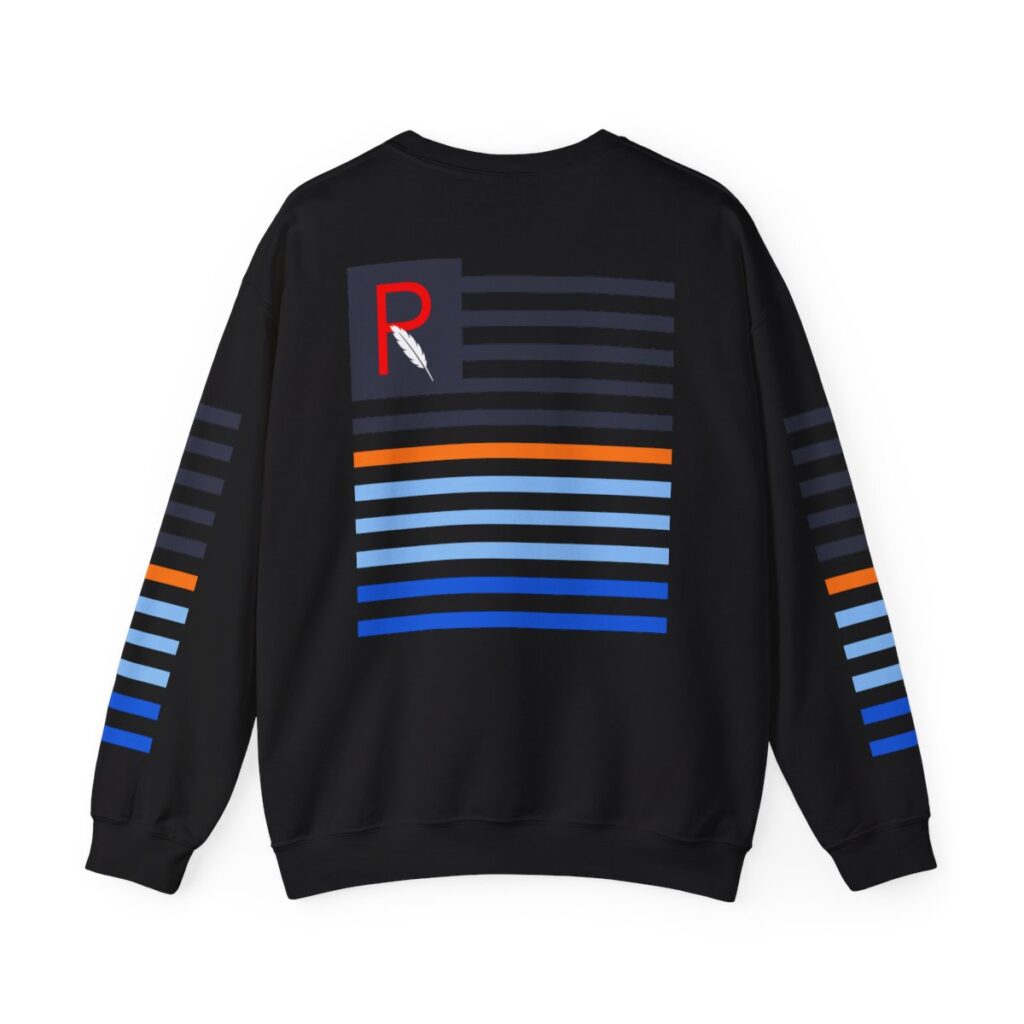
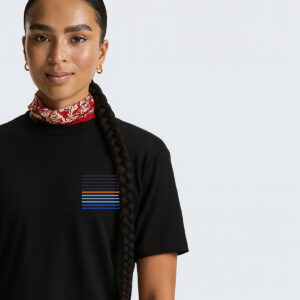
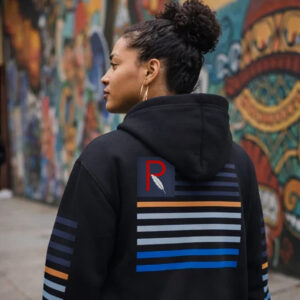
Step into timelessness with the WASHITAW shirts and accessories — a bold fusion of streetwear ease and ancestral reverence. These unisex pieces honors the enduring power of the Washitaw Mu’ur Nation, whose story is deeply rooted in the soil of North America long before the U.S. existed. The bold, multicolor stripes do more than draw the eye — they represent layers of identity:
- Navy lines = concealed history
- Orange = fire of resistance
- Light blue = water memory and bloodlines
- Royal blue = nobility, clarity, and truth
- The red “R” + white feather = Remember who you are
 The modern Washitaw movement was founded by
  Members often believe:
 The Washitaw (Washitaw de Dugdahmoundyah) are recognized by many as some of the oldest original inhabitants of North America – often tied to the mound-building civilizations of the Mississippian culture. They were known for their sovereignty, spiritual knowledge, dark copper-toned skin and resilience long before colonial reclassification began to erase their names from maps. Their legacy continued through Black Americans who retained their land, lineage and oral history, even when the U.S. government tried to fold them into broader racial categories. Many Washitaw descendants today carry their blood silently – our shirts and accessories is for making it loud again.
 The Washitaw Nation, also known as the Washitaw de Dugdahmoundyah, Ouachita or Washita, is a group indigenous peoples that asserts connections to pre-Columbian civilizations in the Americas. The group often identifies as part of a broader indigenous tradition in the Americas, with some members linking their ancestry to ancient peoples such as the mound-building cultures in the Mississippi Valley and along the Ouachita River in present-day Louisiana.
 The Washitaw people trace their heritage to the mound-building cultures, including the Mississippian peoples and earlier Indigenous societies. They often cite archaeological and historical references to support their claim as one of the oldest continuous inhabitants of the region. They emphasize their unique cultural traditions, reflecting the history of intermarriage and cultural exchange.
 Modern Classification
Many members of the Washitaw Nation identify as part of the broader Black American community due to the complex historical intersections of so-called African and Indigenous heritage in the U.S. However, they emphasize their distinct identity and heritage as descendants of Indigenous peoples who lived in North American before European colonization.
 Many individuals of mixed so-called African and so-called Native descent were reclassified as “Black” or “Negro” due to U.S. government policies, census practices and systemic racism, which often ignored Indigenous unless tied to recognized tribes.
Despite this, they assert their identity as a sovereign Indigenous people with ties to ancient civilizations and refuse to solely align with the “Black American” classification. While the Washitaw Nation may be grouped within the Black American population in official or societal contexts, they continue to emphasize their distinct Indigenous identity and historical claims.

In everyday U.S. society (and most official paperwork), Washitaw members are typically classified as Black/African American because U.S. racial categories are based on self-ID plus social/legal norms—not on whether a group is a recognized tribal government. So socially, a lot of Washitaw people move through the world as Black Americans.
ACCESSORIES