


MOSKIM YE: Keeper of the Path
A Tribute to Lenape Strength, Cultural Resilience & Visionary Spirit
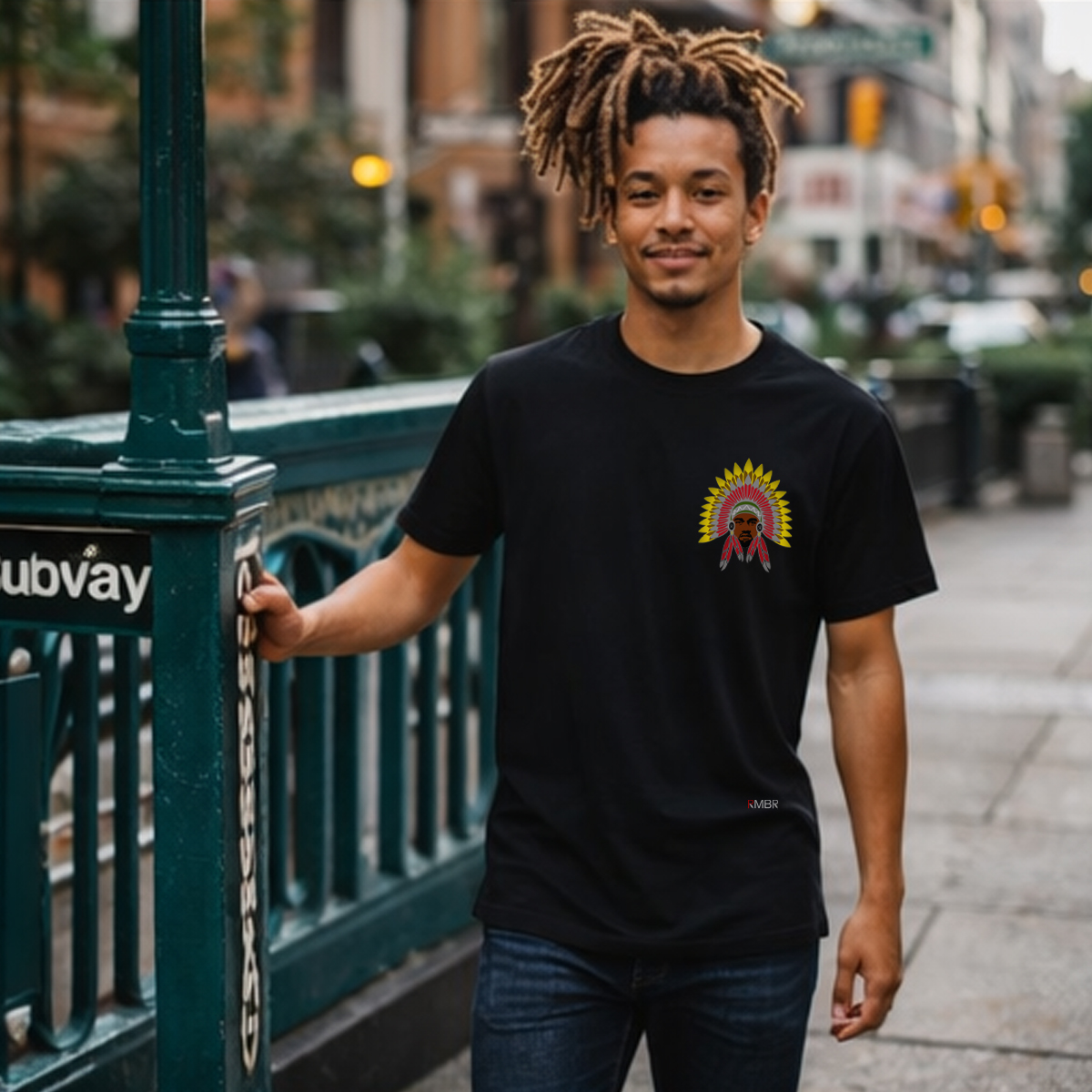
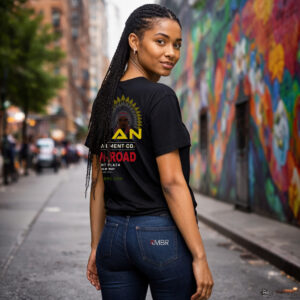 The MOSKIM YE garments are more than apparel and the accessories is more than merch. It is a meditation on endurance, transformation and the living legacy of the Lenape people — the original inhabitants of Lenapehoking, the land now known as New York, New Jersey, Eastern Pennsylvania and Delaware.
Before colonial borders divided the region, before Manhattan was renamed, the Lenape were already established as traders, diplomats, agriculturalists and stewards of the land. They were often called the “Grandfathers” by neighboring nations — a recognition of their foundational presence and respected leadership within the broader Eastern Woodlands cultural network. MOSKIM YE draws inspiration from that foundation. This design does not romanticize the past. It re-centers it.
The Historical Lenape: A Foundation of Lenapehoking
The Lenape (also known historically as the Delaware people) were an Algonquian-speaking nation composed of three primary clans: the Turtle Clan, Wolf Clan and Turkey Clan. These clan systems structured governance, kinship and social organization. Leadership was not imposed through force but guided through consensus and responsibility.
The Lenape lived in seasonal communities, cultivated corn, beans and squash and maintained extensive trade networks stretching from the Atlantic coast deep into the interior of North America. They managed land through stewardship practices that sustained ecosystems for generations.
The arrival of Dutch and later English colonists in the 1600s dramatically altered Lenape life. Through land deals often misunderstood or manipulated — including the infamous “Walking Purchase” of 1737 — large portions of Lenape territory were taken. Over the 18th and 19th centuries, many Lenape communities were forcibly displaced westward to Ohio, Indiana, Missouri and eventually to present-day Oklahoma and parts of Wisconsin and Ontario.
Yet the Lenape did not disappear.
Today, federally recognized Lenape descendants include the Delaware Nation and the Delaware Tribe of Indians in Oklahoma, along with the Stockbridge-Munsee Community in Wisconsin. They continue to preserve language revitalization efforts, cultural practices, governance systems and historical memory.
That continuity matters.
MOSKIM YE acknowledges that endurance.
The Symbolism Behind MOSKIM YE
In Lenape oral tradition, figures such as Moskim are remembered as shapeshifters — cultural transformers who move between forms while maintaining essence. That symbolism mirrors a deeper truth: survival requires adaptation without erasure.
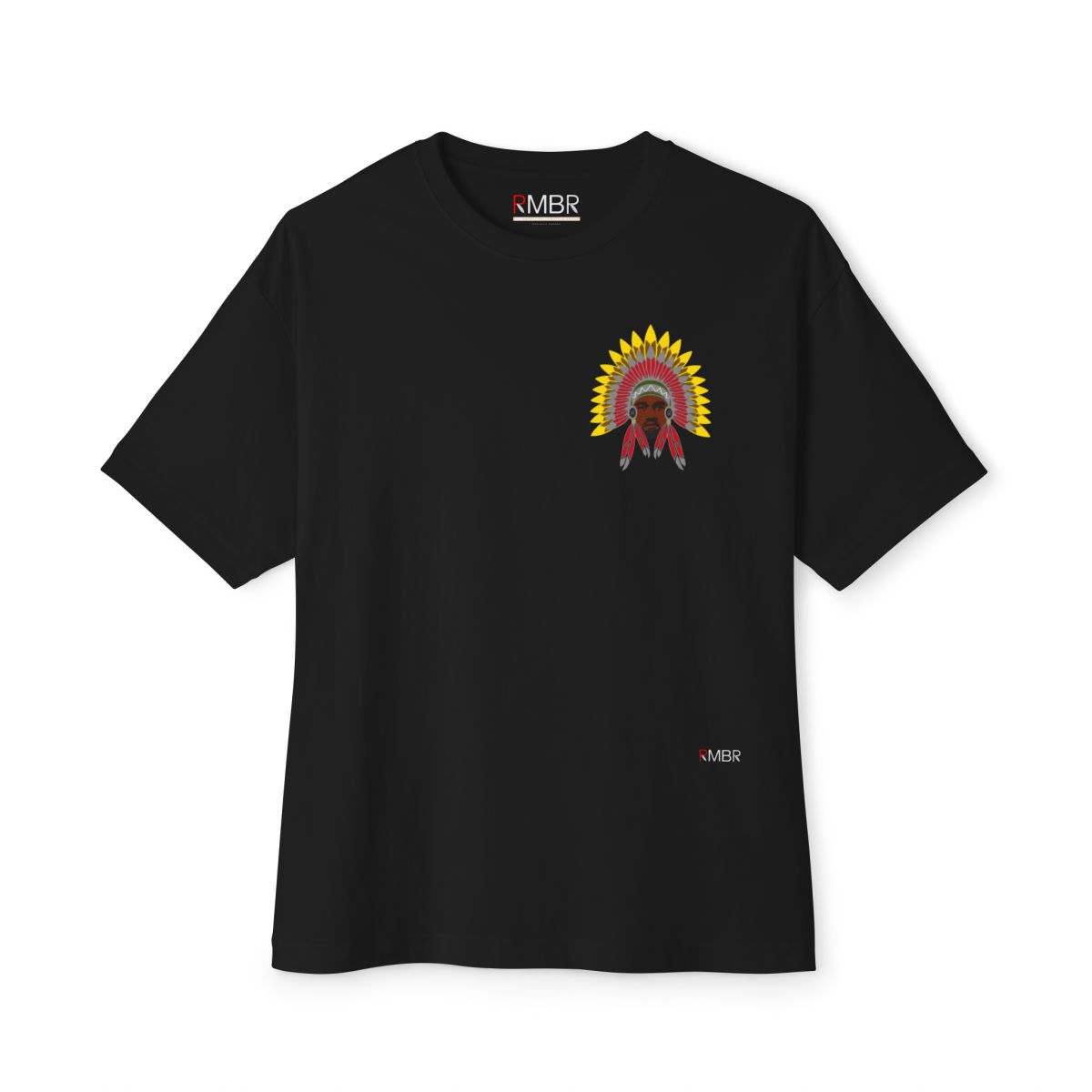
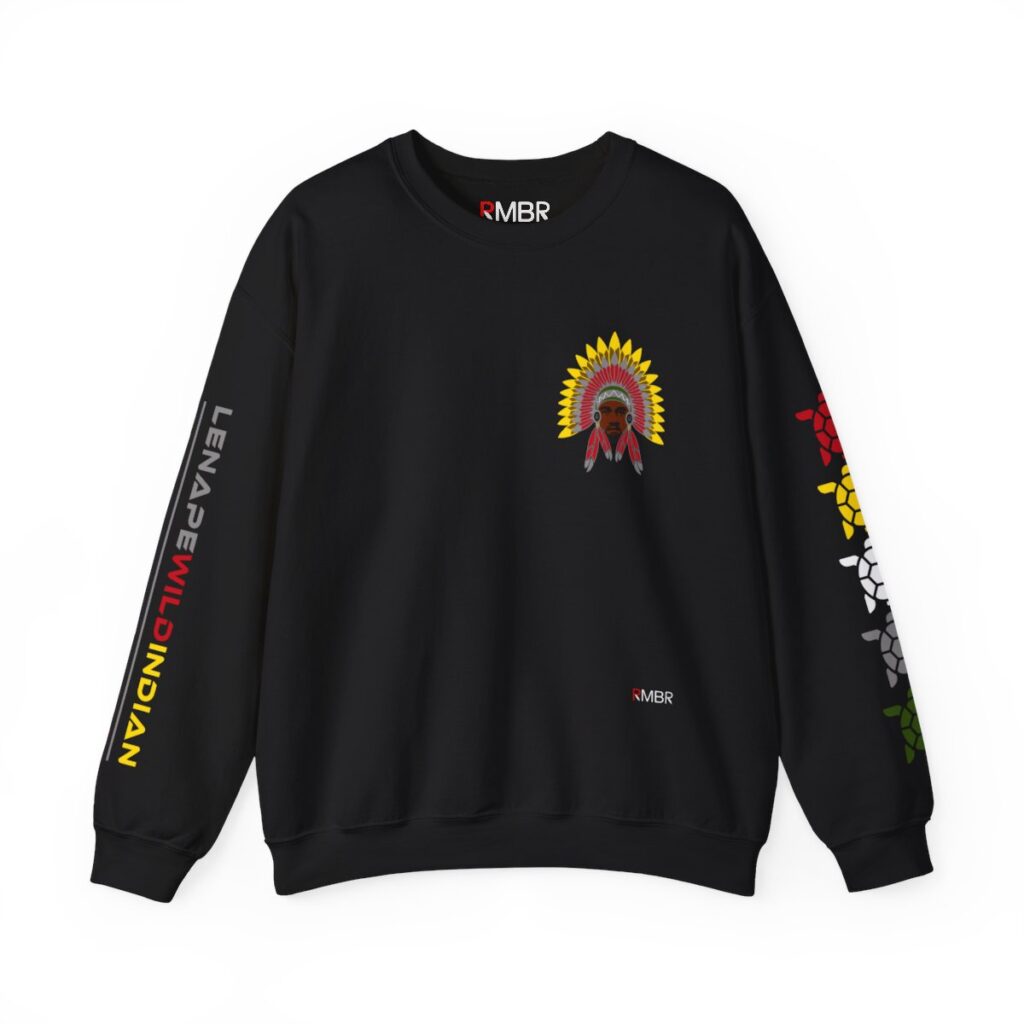
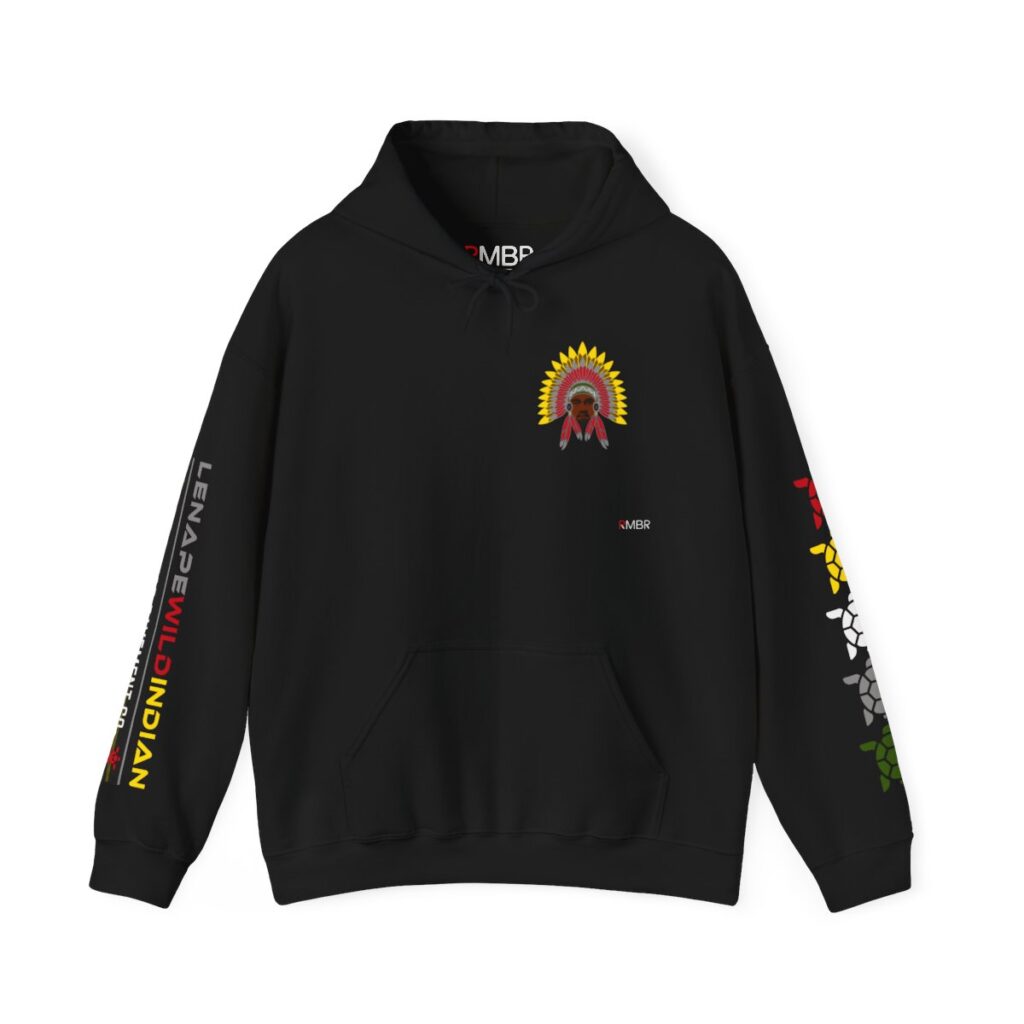
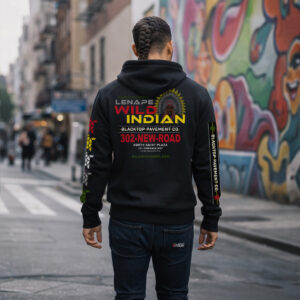
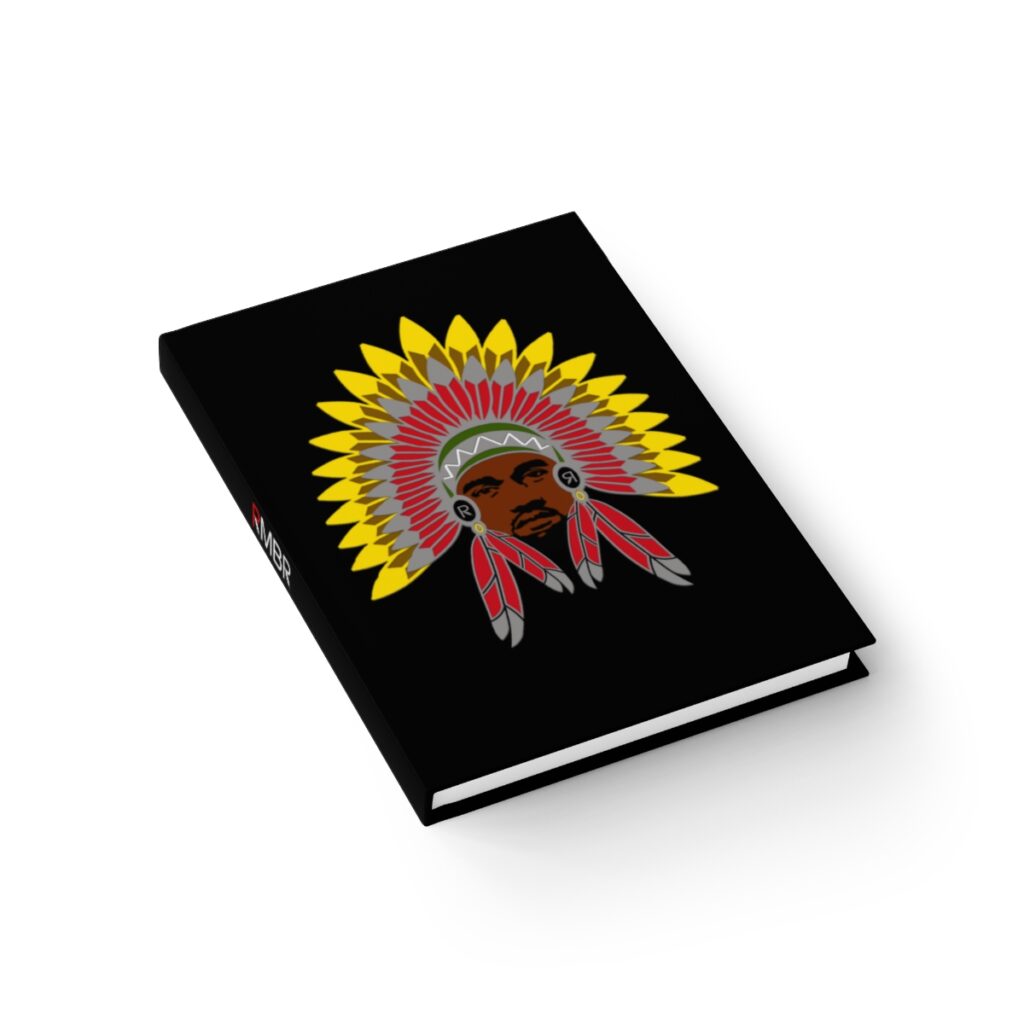
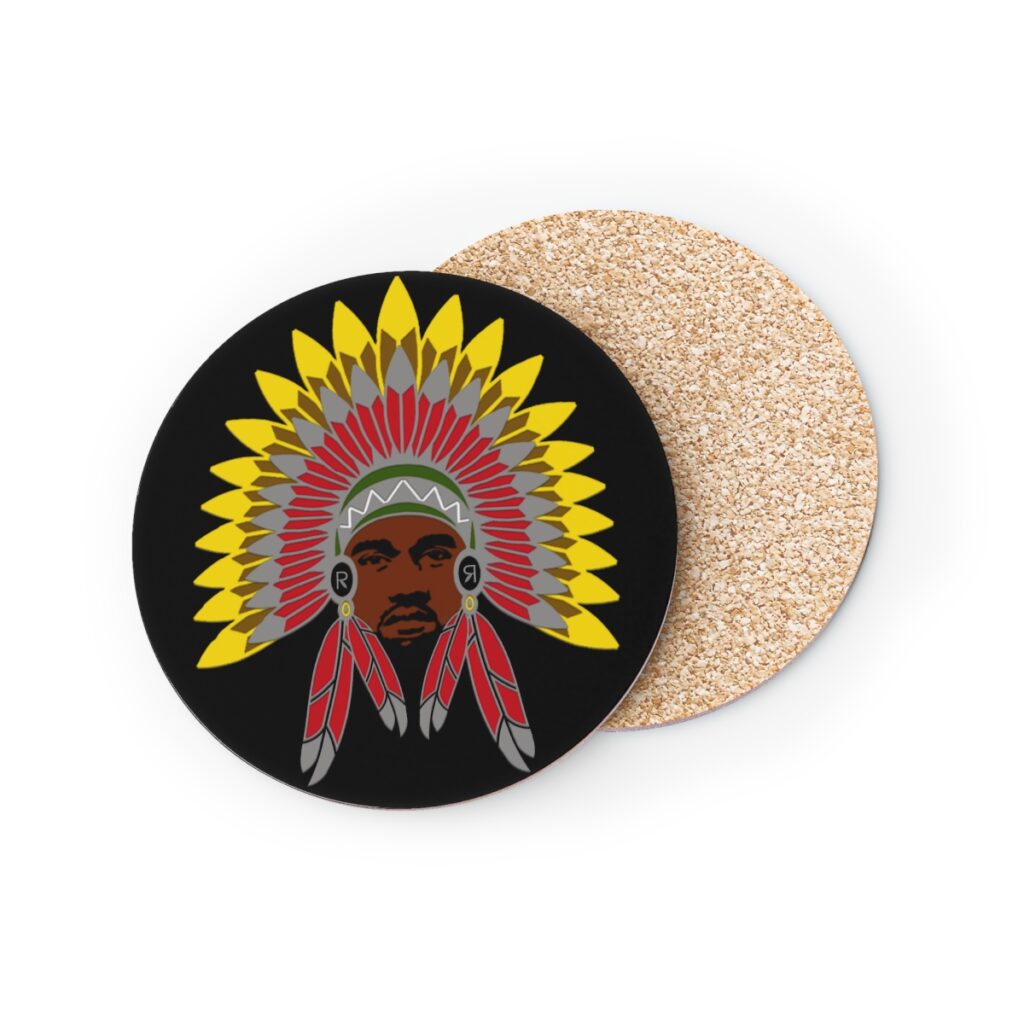
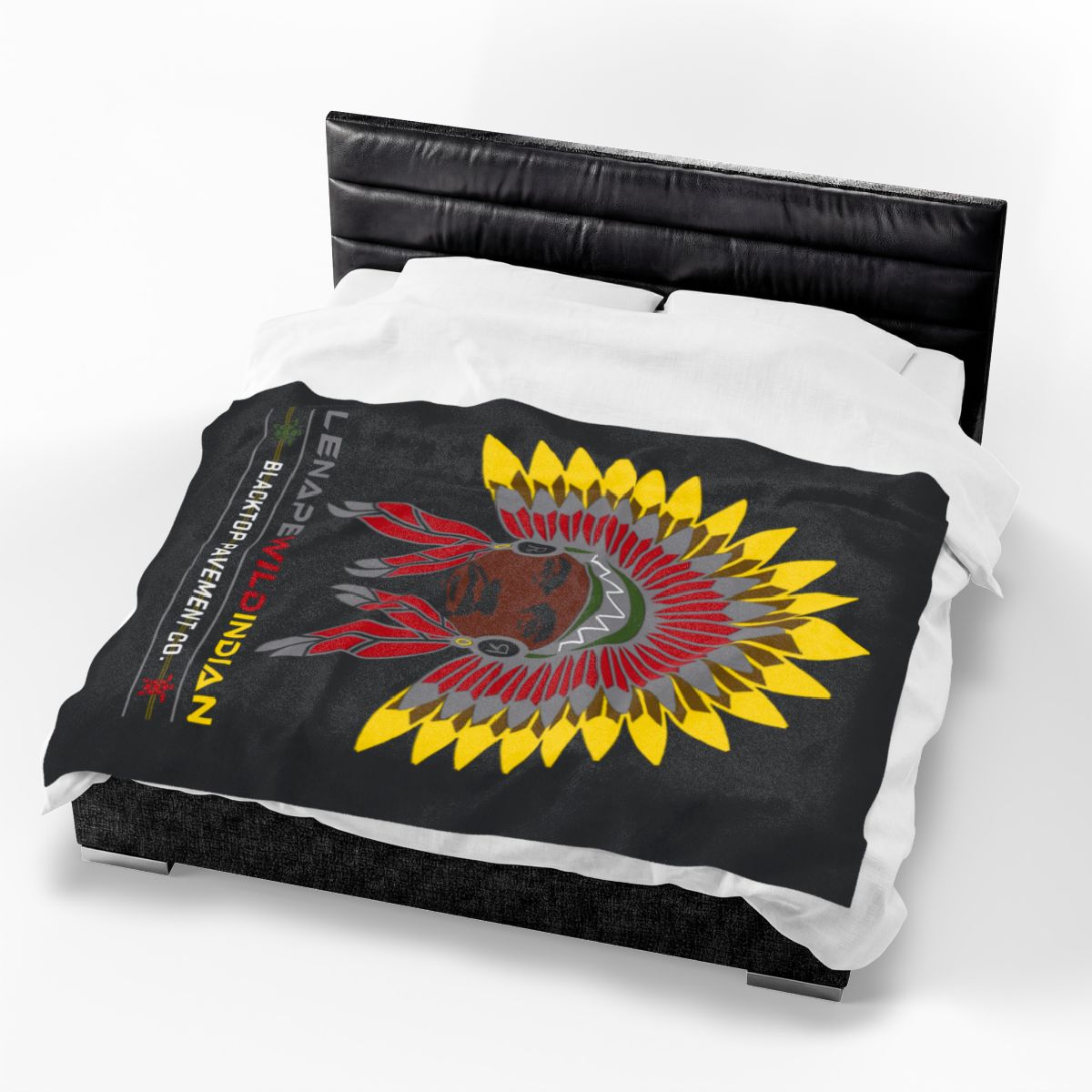
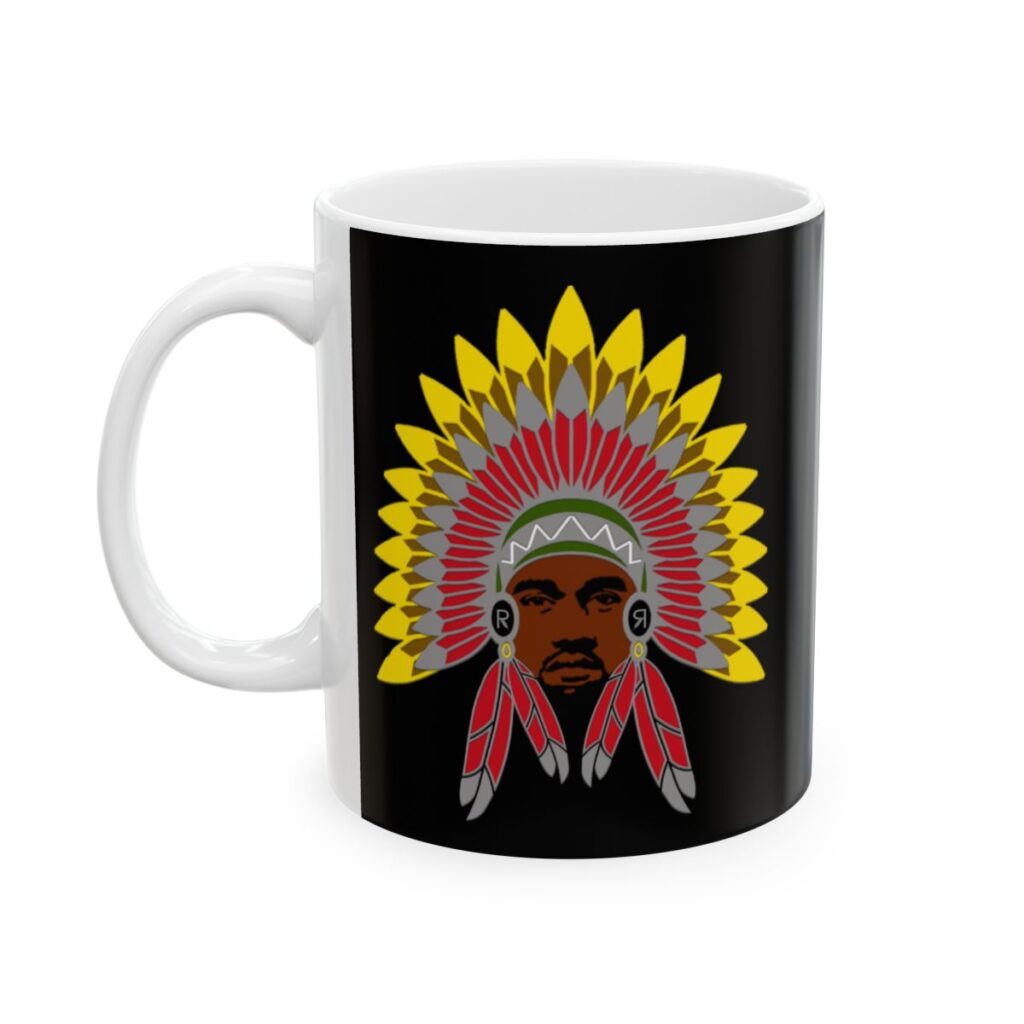
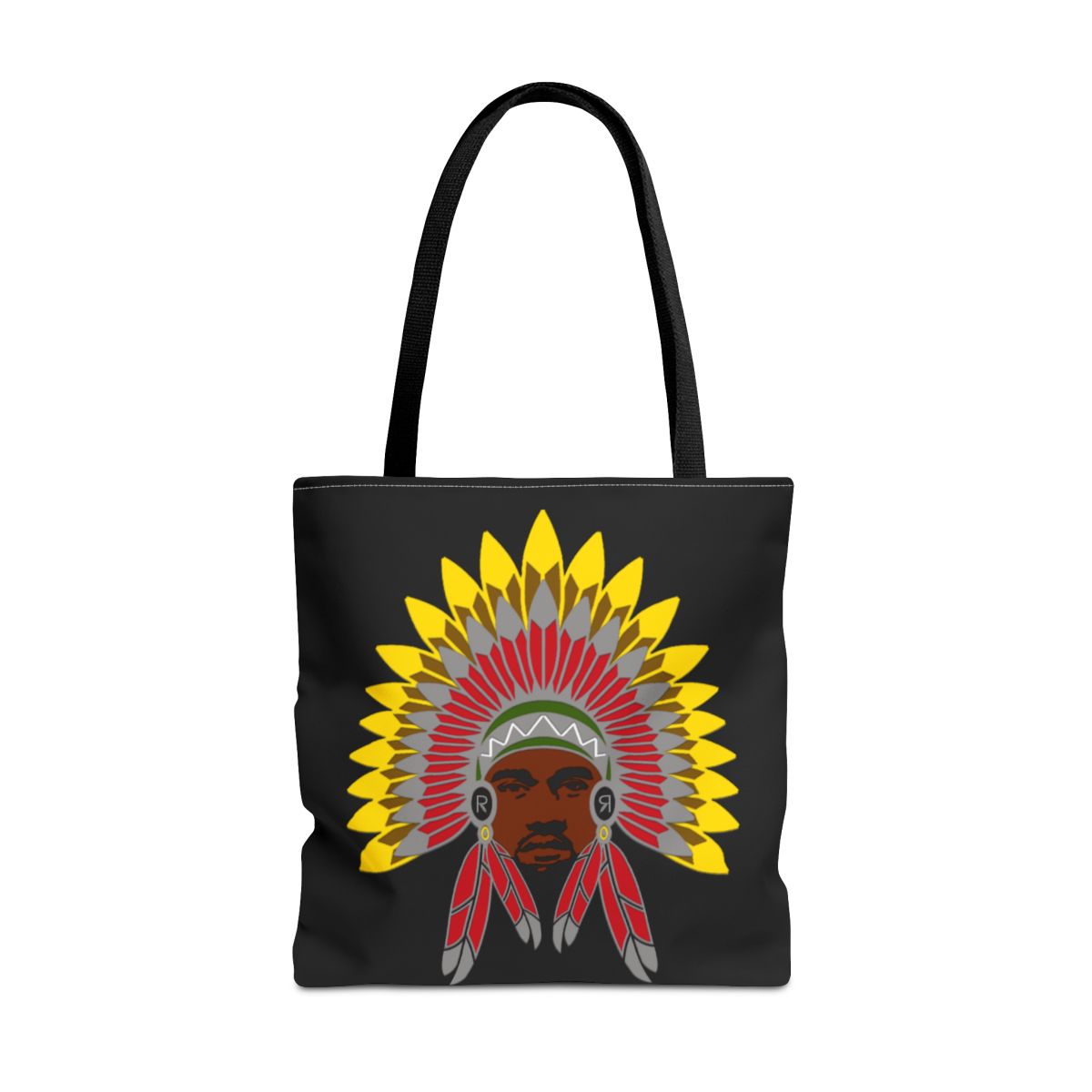
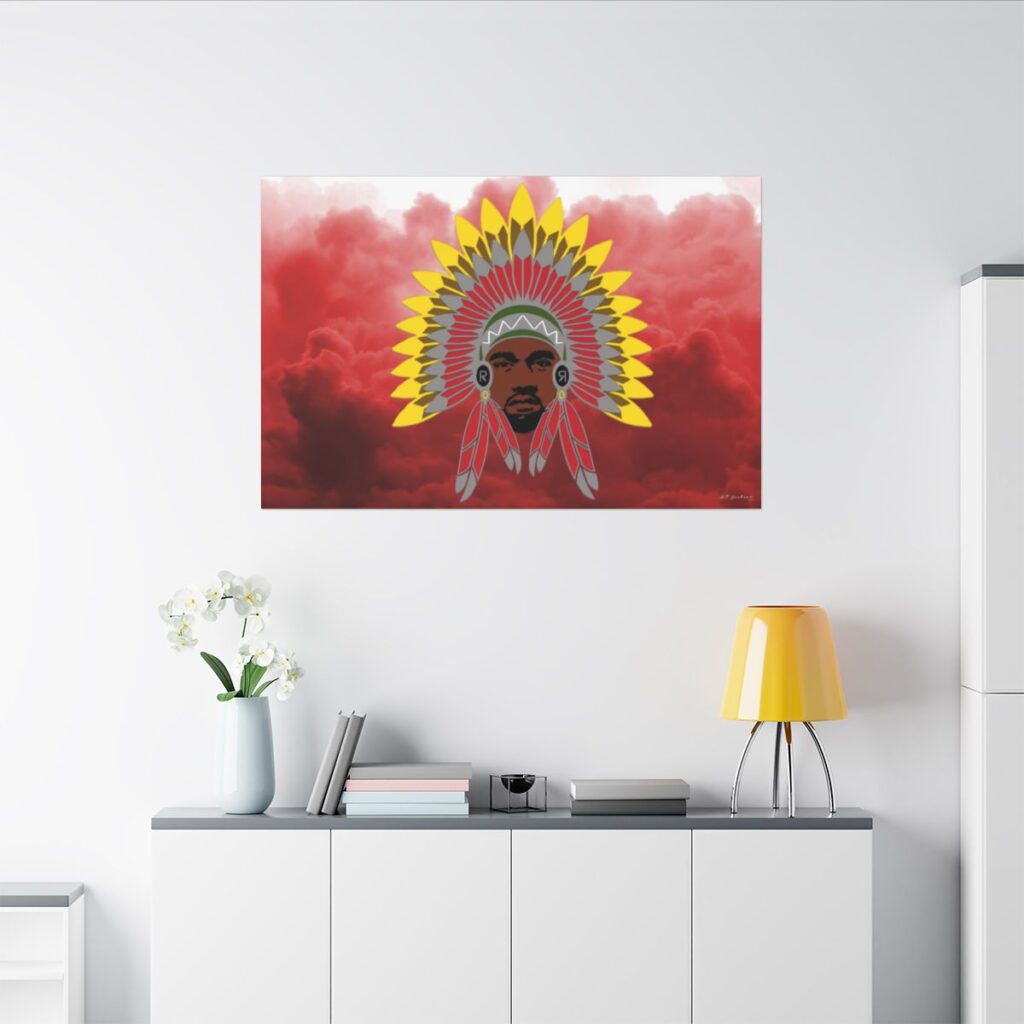
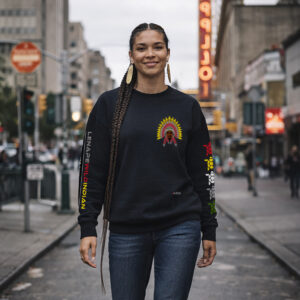 The front design centers a Lenape chief figure — steady, forward-facing and unshaken. The layered headdress radiates red, gold, gray and earth tones:
-
Red representing vitality and sacrifice
-
Gold symbolizing abundance and spiritual authority
-
Gray reflecting endurance
-
Green accents honoring the land
This is not costume imagery. It is symbolic continuity.
MOSKIM YE also nods to the archetype of the modern cultural disruptor — the artist who challenges systems, redefines aesthetics and refuses to conform. That visionary energy parallels the resilience found throughout Lenape history: pressure creates transformation, not surrender.
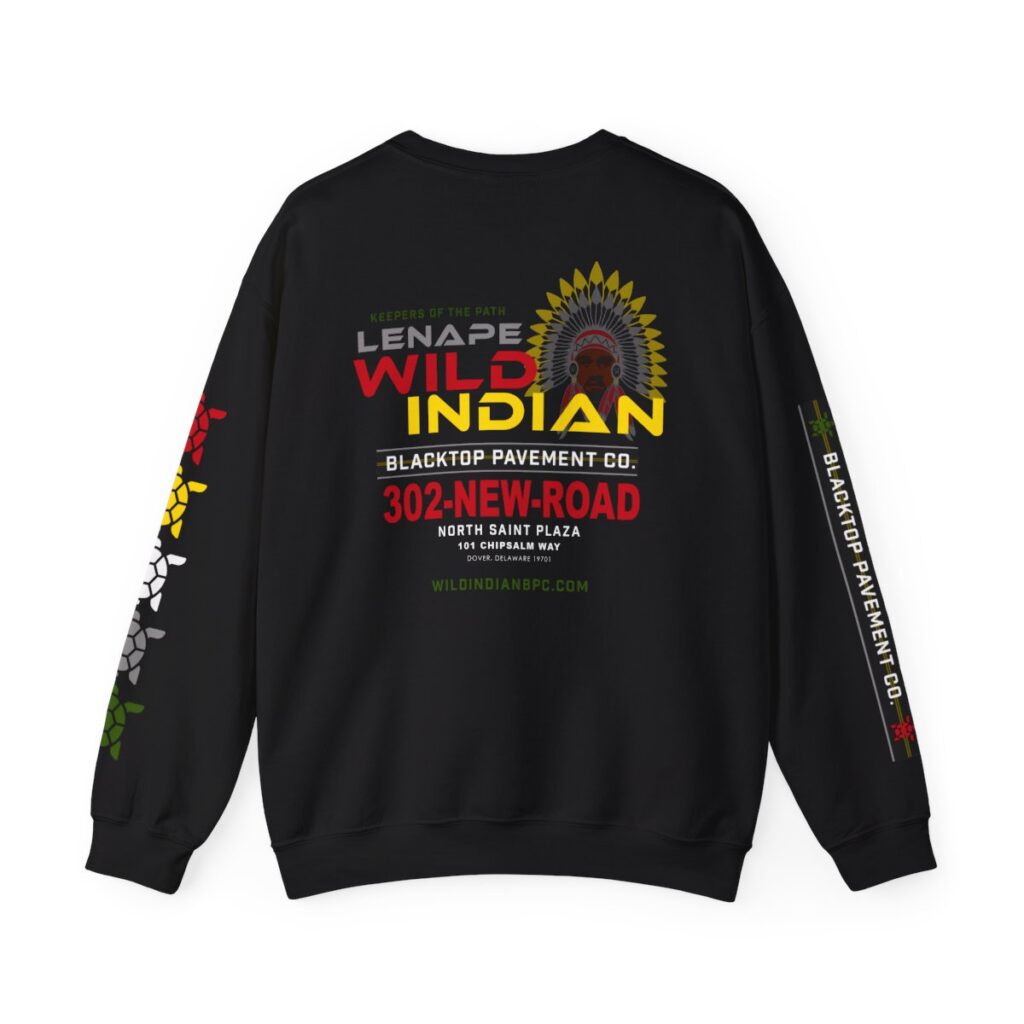
Wild Indian Blacktop Pavement Co. — “Keeper of the Path”
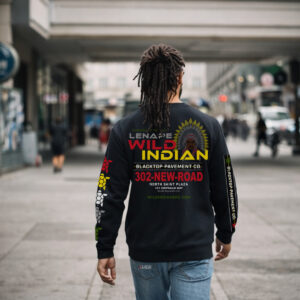 The back design continues the story.
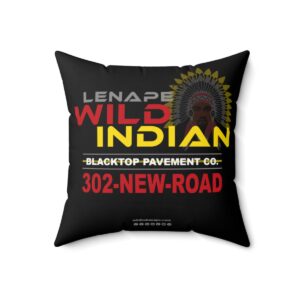
“Blacktop Pavement Co.” operates as metaphor. Long before colonial infrastructure, the Lenape maintained trade routes and travel paths across Lenapehoking. They were literal keepers of pathways — negotiators between regions, diplomats between nations.
“302 – New Road” symbolizes reconstruction.
It represents rewriting narrative instead of inheriting it.
The turtle symbols on the sleeves reference Turtle Island — a creation story shared among many Indigenous nations. The turtle embodies patience, longevity and stability. Slow. Steady. Enduring.
The message is simple: the road forward must be built with memory intact.
Why This Collection Matters
 This collection stands at the intersection of history and imagination. It does not claim ownership of Lenape identity. It honors documented history while exploring creative symbolism.
The Lenape survived displacement, treaty violations and forced migration. Yet their communities remain active, organized and culturally vibrant today. That resilience is not theoretical. It is measurable, ongoing and rooted in fact.
MOSKIM YE embodies transformation without erasure.
It asks a quiet but powerful question:
What does progress look like when the original pathkeepers are acknowledged?
Building the New Road
You’ve often said Spring represents the true new year — a reset rooted in nature rather than calendars.
 MOSKIM YE aligns with that philosophy.
It is not nostalgia.
It is continuity.
It is the refusal to forget.
The Keeper of the Path does not wait for validation.
He charts direction.
He remembers the original ground.
He builds forward with clarity.
RMBR has always been about remembrance.
MOSKIM YE continues that road — grounded in documented Lenape history, elevated through symbolic storytelling and carried forward through wearable art.
The path was never lost.
It was remembered.
ACCESSORIES

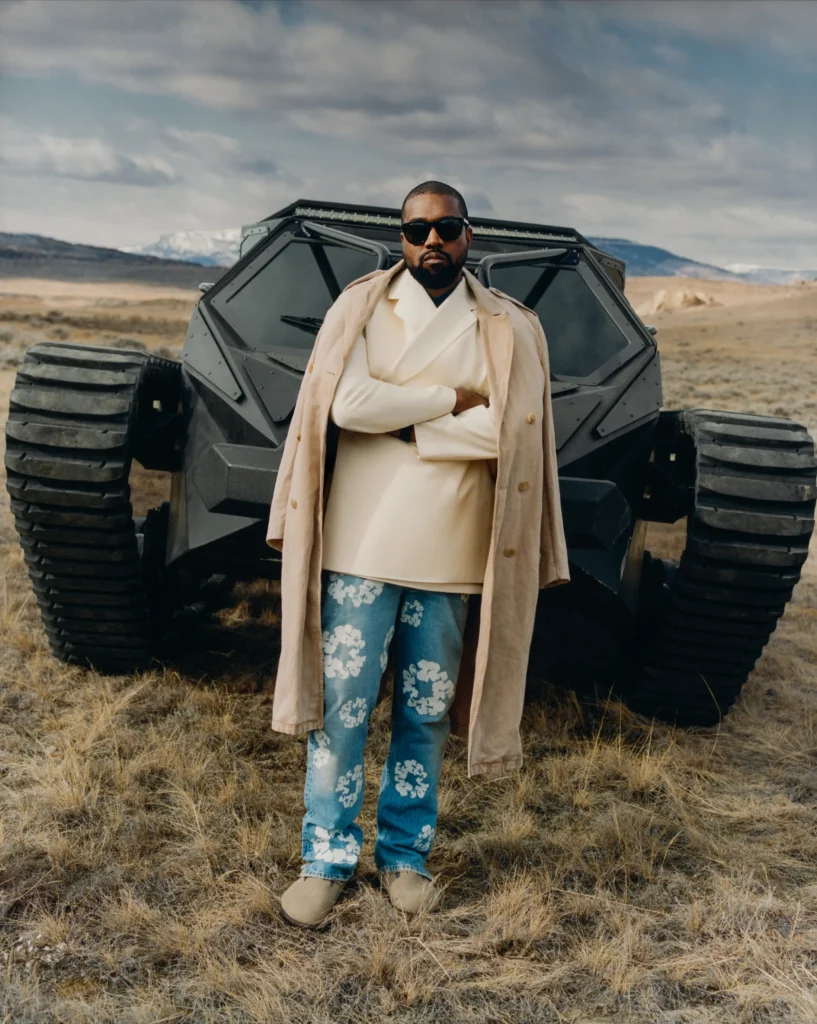
Kanye West (Ye): The Artist, The Disruptor, The Contradiction
Born: June 8, 1977
Hometown: Chicago, Illinois (raised on the South Side)
Profession: Producer, rapper, designer, entrepreneur
Kanye West — now legally known as Ye — is one of the most influential and polarizing cultural figures of the 21st century.
The Early Genius: Producer First
Before he was a superstar rapper, Kanye was a producer. He built his name crafting soulful, sped-up vocal samples for artists like Jay-Z. His production on The Blueprint (2001) helped reshape early 2000s hip-hop.
But here’s what separated him:
He wasn’t content being behind the boards.
The Breakthrough: The College Dropout (2004)
When Kanye released The College Dropout, he changed hip-hop’s image. At a time when rap leaned heavily into street archetypes, he entered as the introspective creative — pink polos, vulnerability, humor, insecurity, ambition.
He made it okay to be:
- Emotional
- Ambitious
- Fashion-forward
- Spiritually conflicted
That album wasn’t just successful — it shifted the culture.
The Run: 2004–2016 (Elite Creative Era)
From Late Registration to Graduation, 808s & Heartbreak, My Beautiful Dark Twisted Fantasy, Yeezus, and The Life of Pablo — Kanye continuously reinvented sound.
- 808s & Heartbreak influenced a generation (Drake, Kid Cudi, Travis Scott).
- My Beautiful Dark Twisted Fantasy is often listed among the greatest albums ever made.
- Yeezus broke sonic boundaries.
He doesn’t follow trends. He detonates them.
Fashion & Business
Kanye disrupted fashion the same way he disrupted music.
- Launched Yeezy with Adidas.
- Built one of the most successful sneaker lines in history.
- Forced luxury fashion to take streetwear seriously.
For years, he was one of the wealthiest Black entrepreneurs in America because he combined artistry with ownership.
That part matters.
The Complicated Chapter
Now we talk honestly.
Kanye has publicly struggled with bipolar disorder. He has made highly controversial, inflammatory and so-called antisemitic statements in recent years that damaged his reputation and led to:
- Loss of Adidas partnership
- Loss of brand deals
- Public backlash
- Industry isolation
His brilliance and his instability often exist in the same frame. That tension is part of why he fascinates people — and frustrates them.
You can acknowledge his musical genius while also recognizing that some of his public statements have caused real harm.
Both truths can exist.
Why He Still Matters Culturally
Even with controversy, Kanye’s influence hasn’t disappeared. He:
- Redefined vulnerability in rap
- Changed how artists approach production
- Proved artists could own their brands
- Blended music, fashion, architecture, religion and design
He thinks like a world-builder, not just a musician.
That’s why he connects to your kind of storytelling — archetypes, disruption, reconstruction of narrative.
Fire and Restraint
Kanye at his best balances two forces:
- Fire: ambition, ego, revolutionary energy
- Restraint: sonic minimalism, emotional confession, artistic discipline
When that balance exists, he’s generational.
When it collapses, things spiral.