
HIGH POWER – A Sound Healing Journey by RMBR Brand
There are drops… and then there are transmissions.
HIGH POWER is not just a release — it’s a return. A remembering. A walk back through red clay roads, through river mist and drum echo, through South Dallas heat rising like prayer.
This INDIGENOUS collection from RMBR Brand honors the spirit of Erykah Badu reimagined as a Chahta High Chieftess — a sonic healer standing at the crossroads of memory and melody. But this isn’t costume. It’s coded symbolism. It’s lineage layered in fabric. It’s history carried in thread.
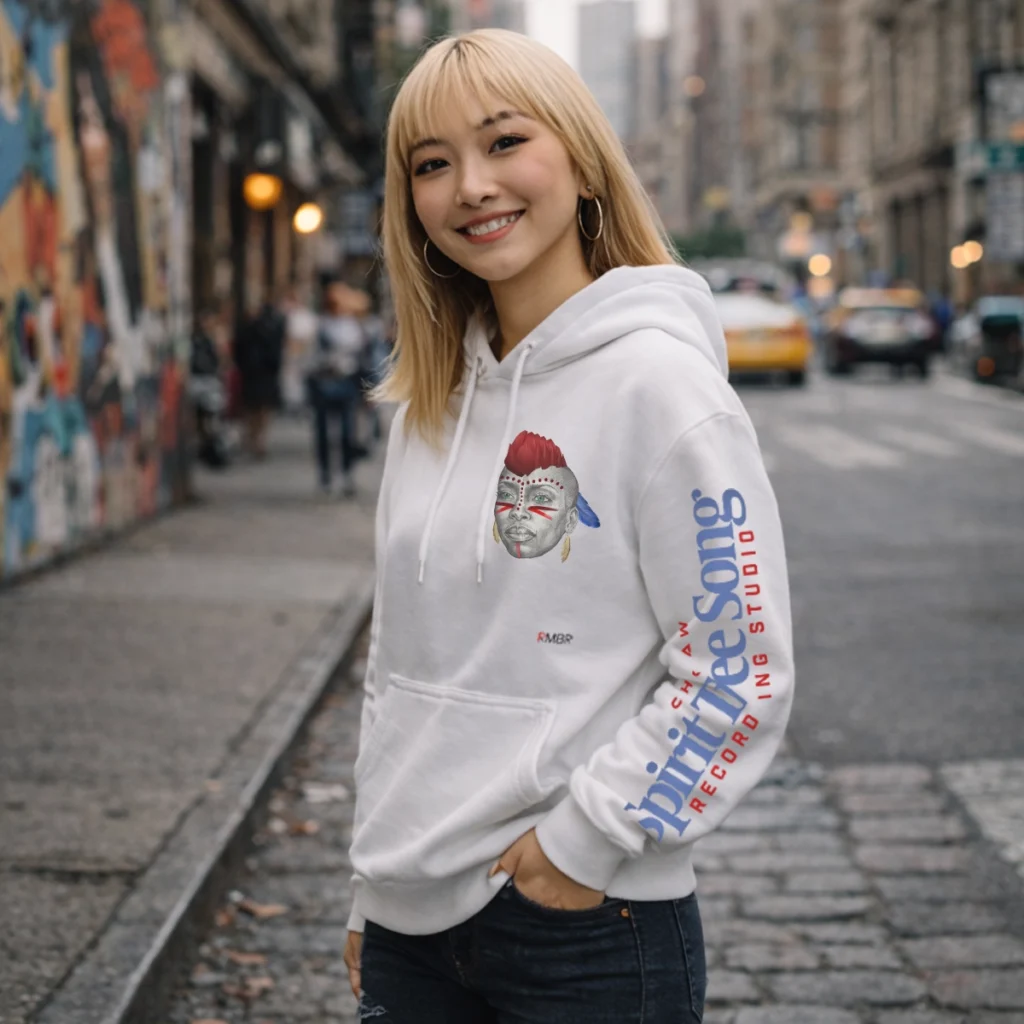
The Front: A Prophecy in Portrait Form
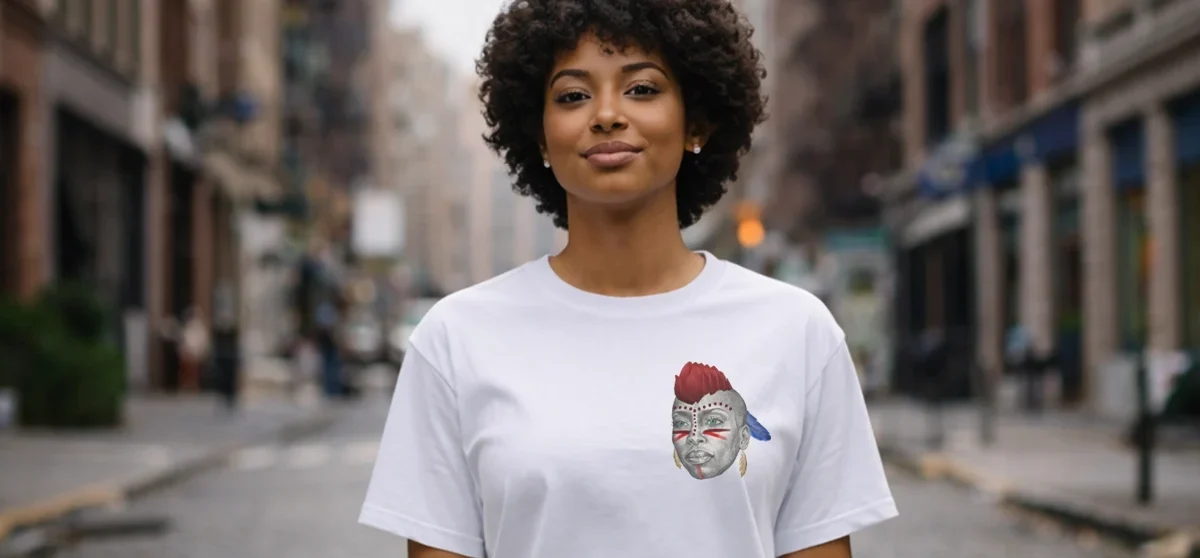
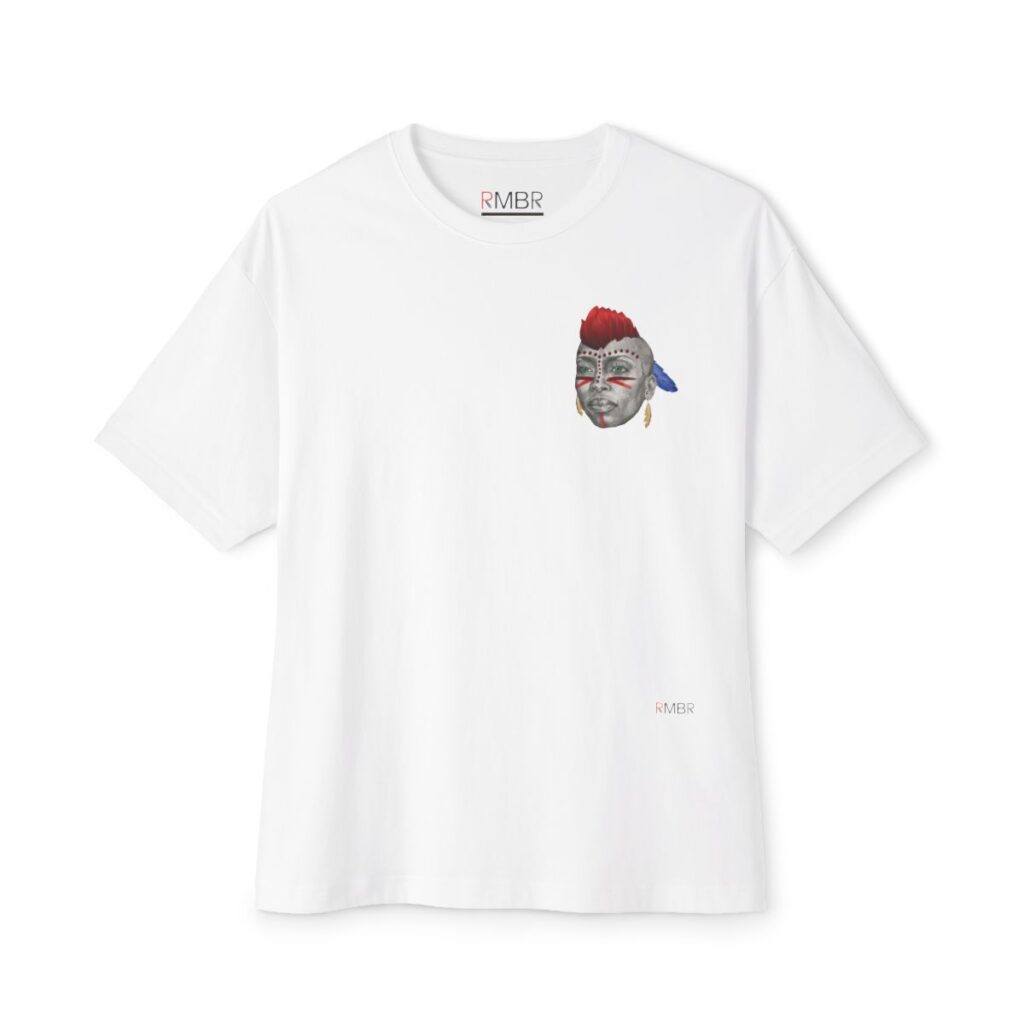
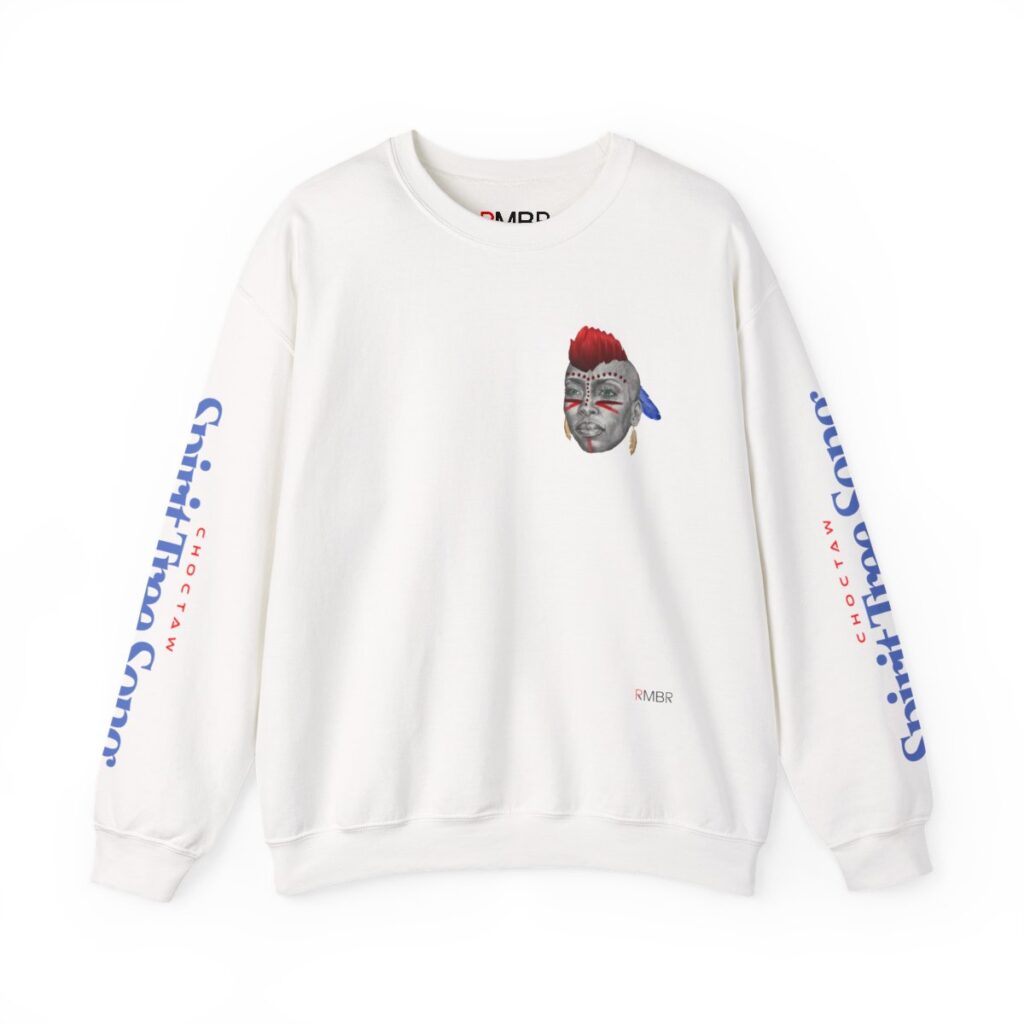
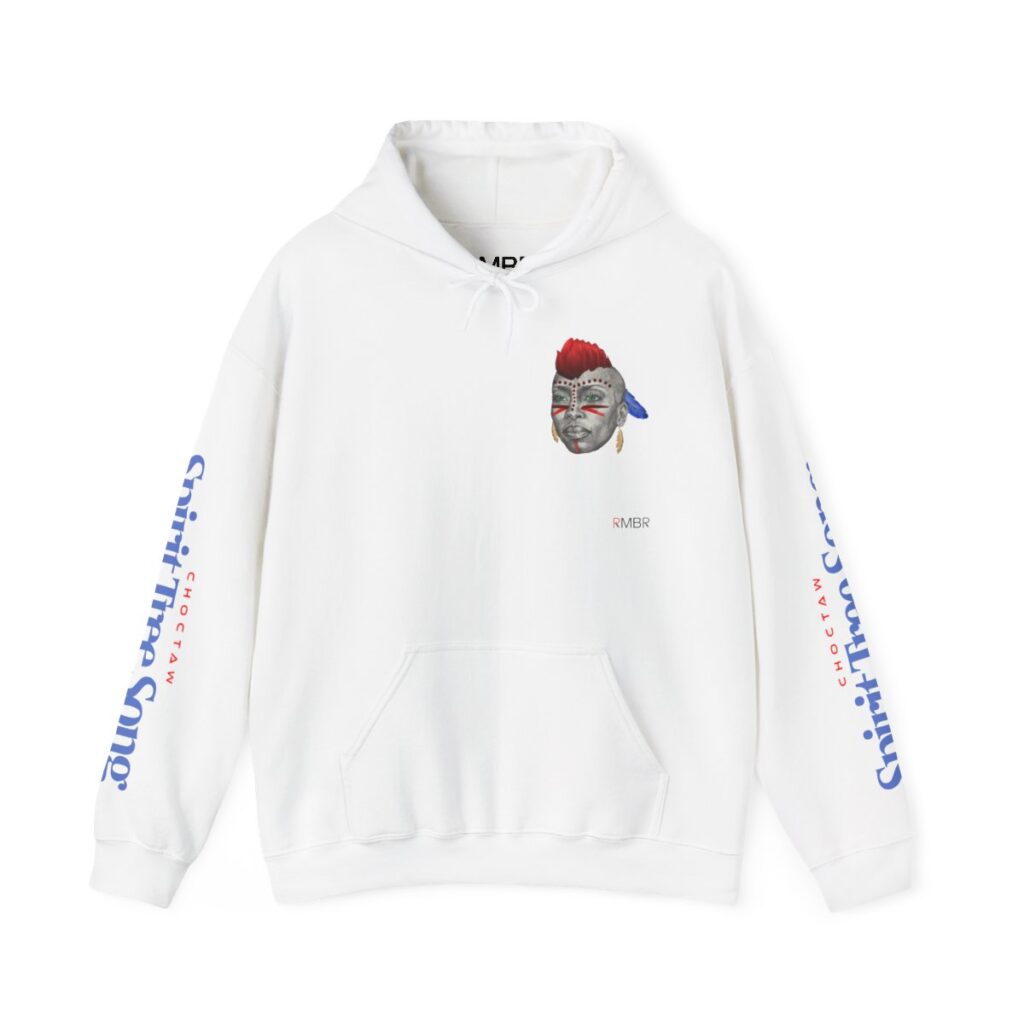
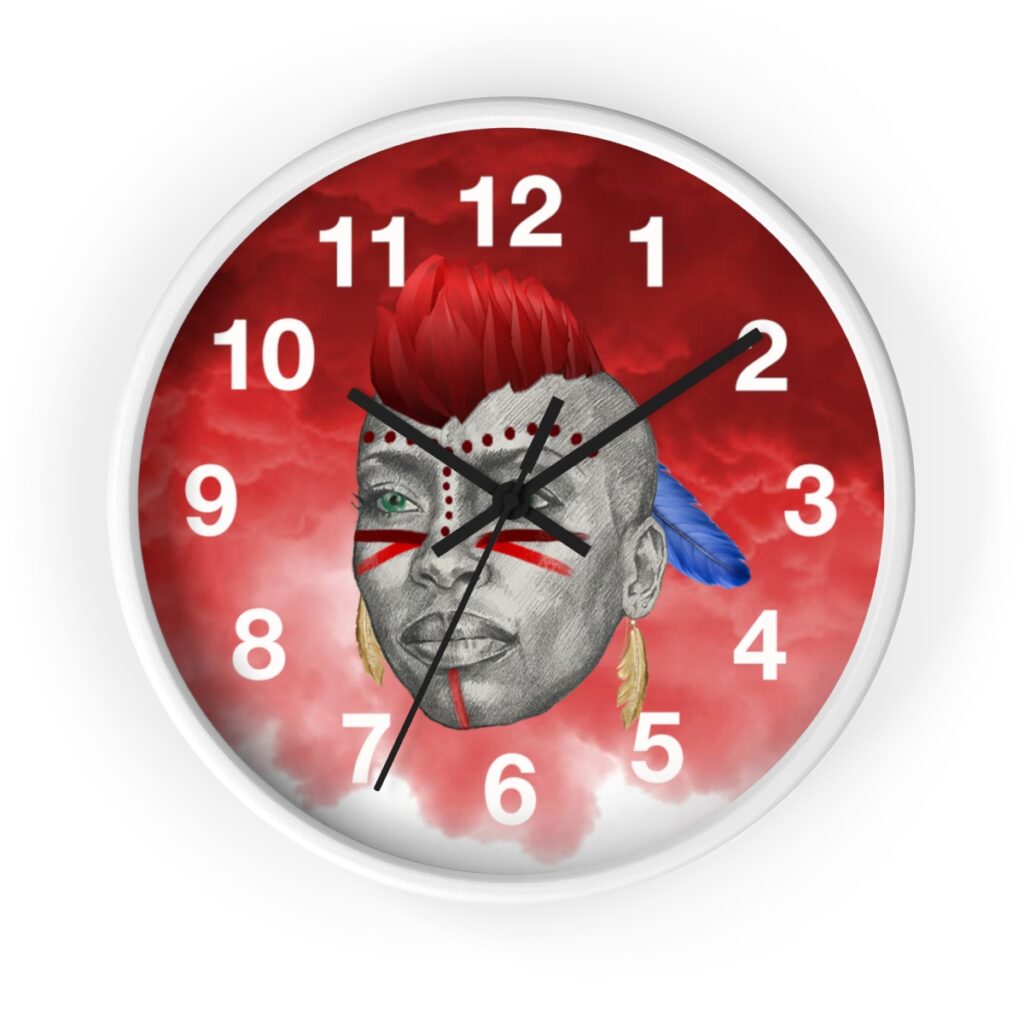
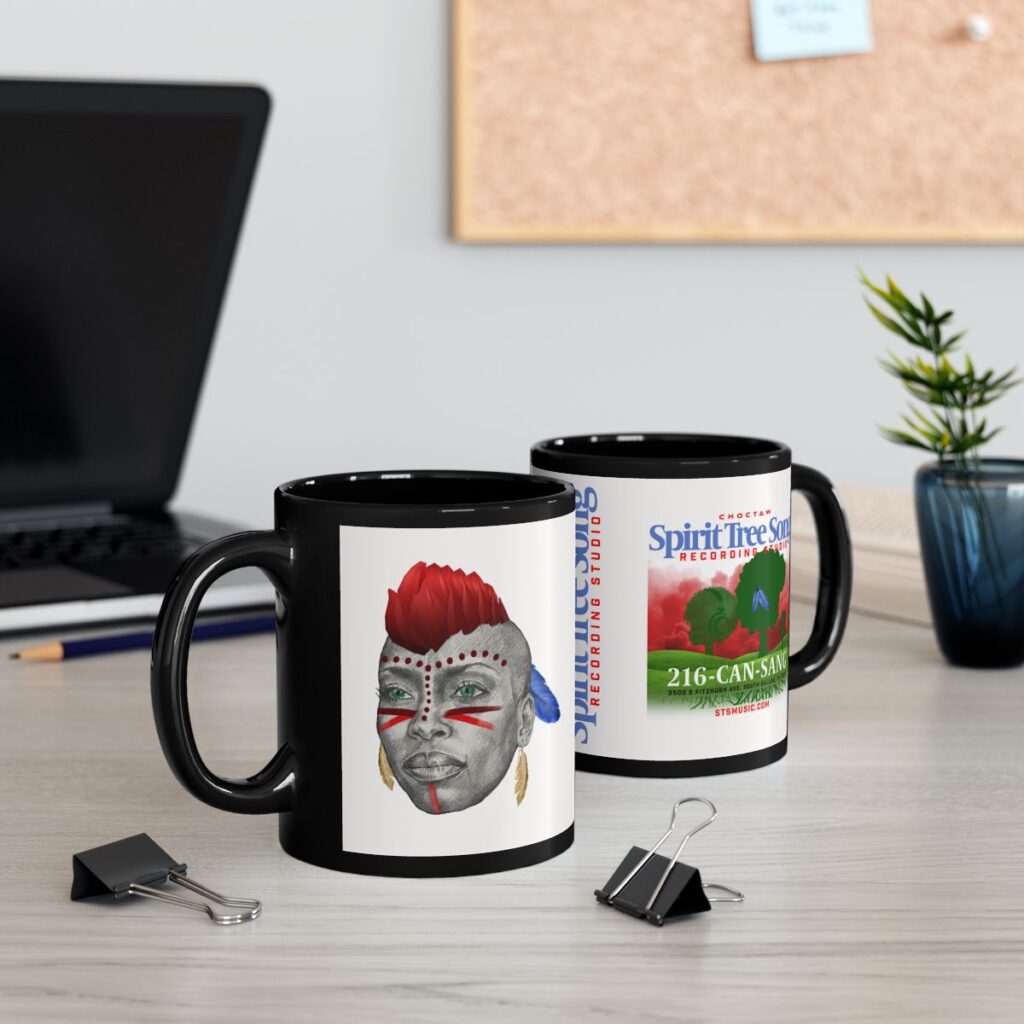
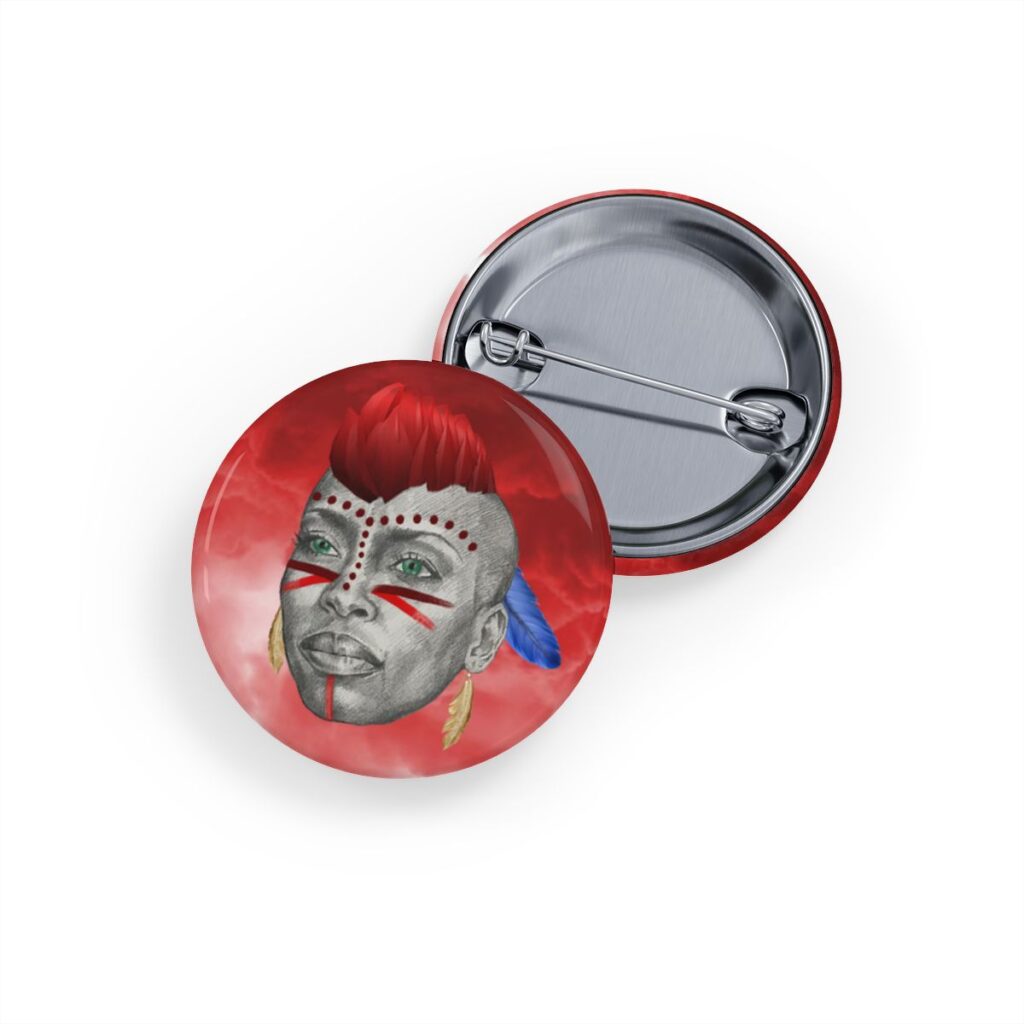
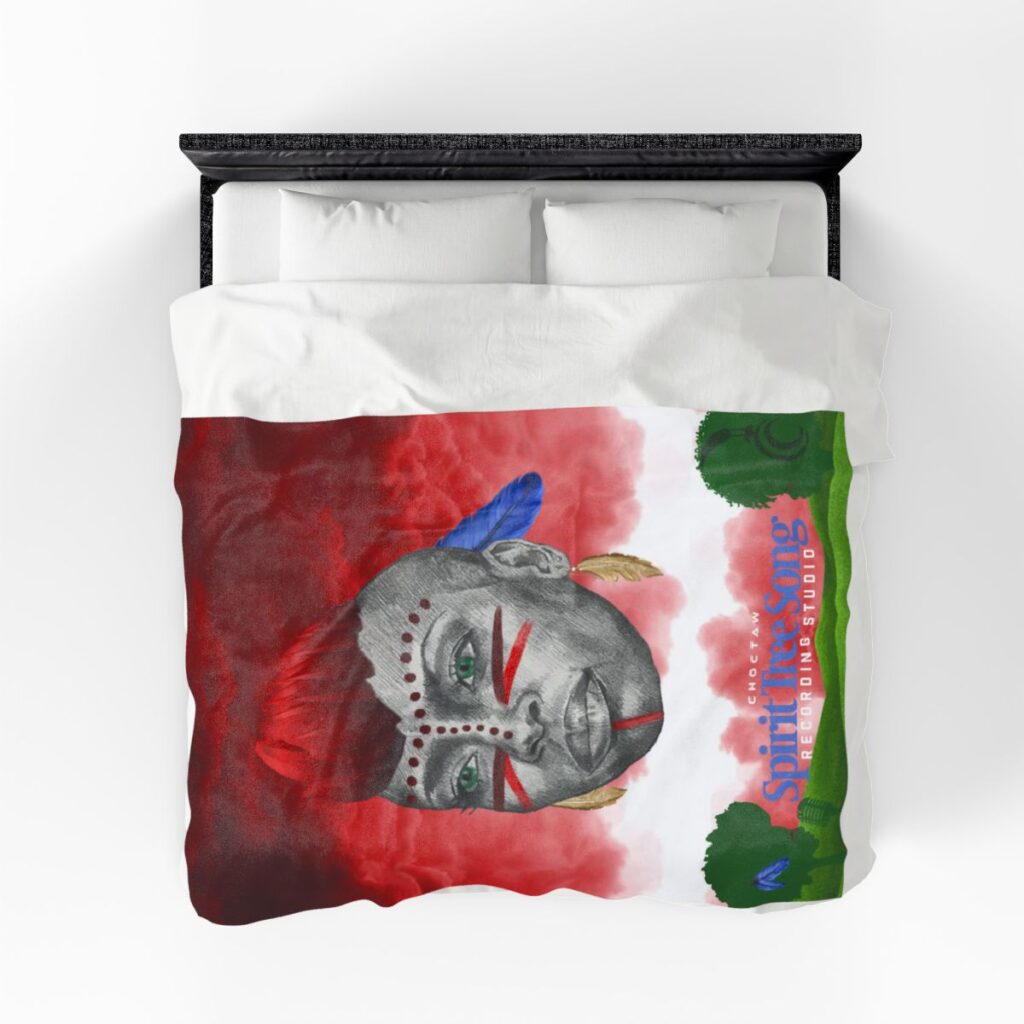
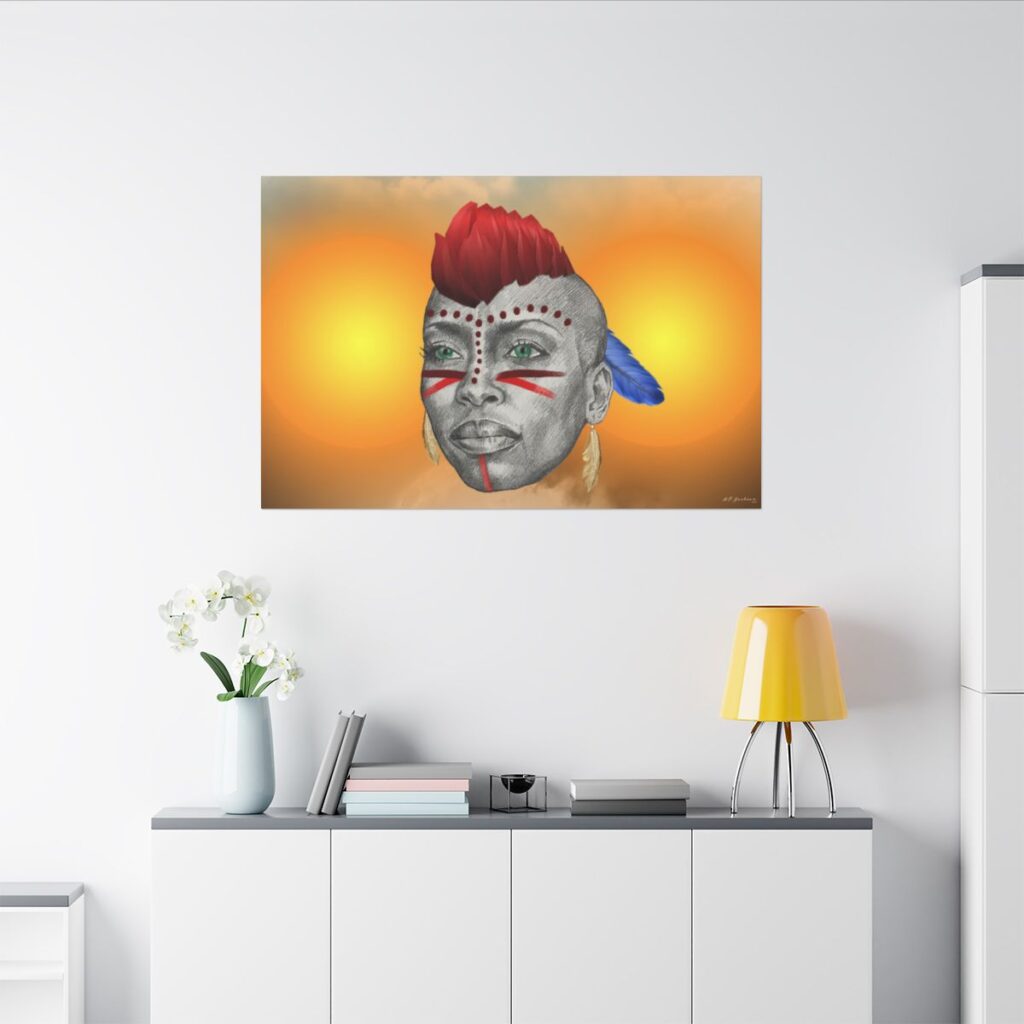
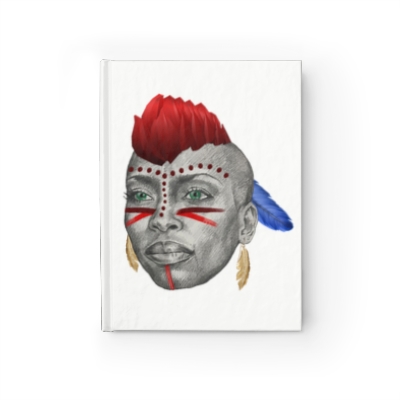
The chest logo features her face emerging like revelation half graphite, half divine illumination. The artistry feels ancient and futuristic at once.
Her mohawk of hair looks like crimson feathers rises from a shaved head, bold and unafraid. In Southeastern Indigenous cultures, feathers are not decoration they signify earned honor, responsibility and spiritual communication. The red mohawk is not just aesthetic, red is life force, red is earth and red is blood memory.
Across her cheeks and chin are war stripes — symbolic of protection, readiness and sacred purpose. Historically, Southeastern tribes, including the Chahta (Choctaw), used body paint during ceremony and conflict — not as aggression, but as alignment with spiritual power.
Behind her ear rests a blue feather, subtle but intentional. Blue carries sky energy — connection to ancestors, prayer, wind and breath. It represents songs that travel beyond time.
Golden feather earrings speak to wisdom and maturity. A pearl strand wraps her neck — grounding her in balance. She is not only warrior. She is priestess. She is conductor of unseen frequencies.
When you wear this shirt, you’re not wearing an image.
You’re wearing a vibration.
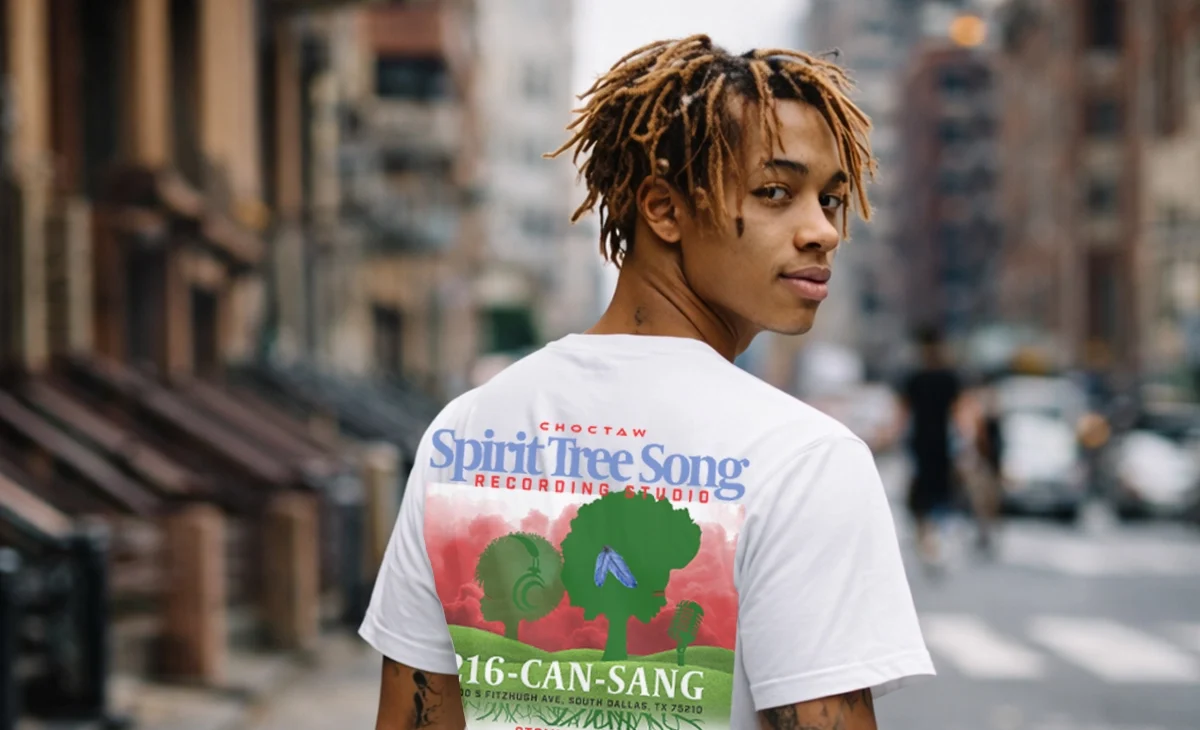
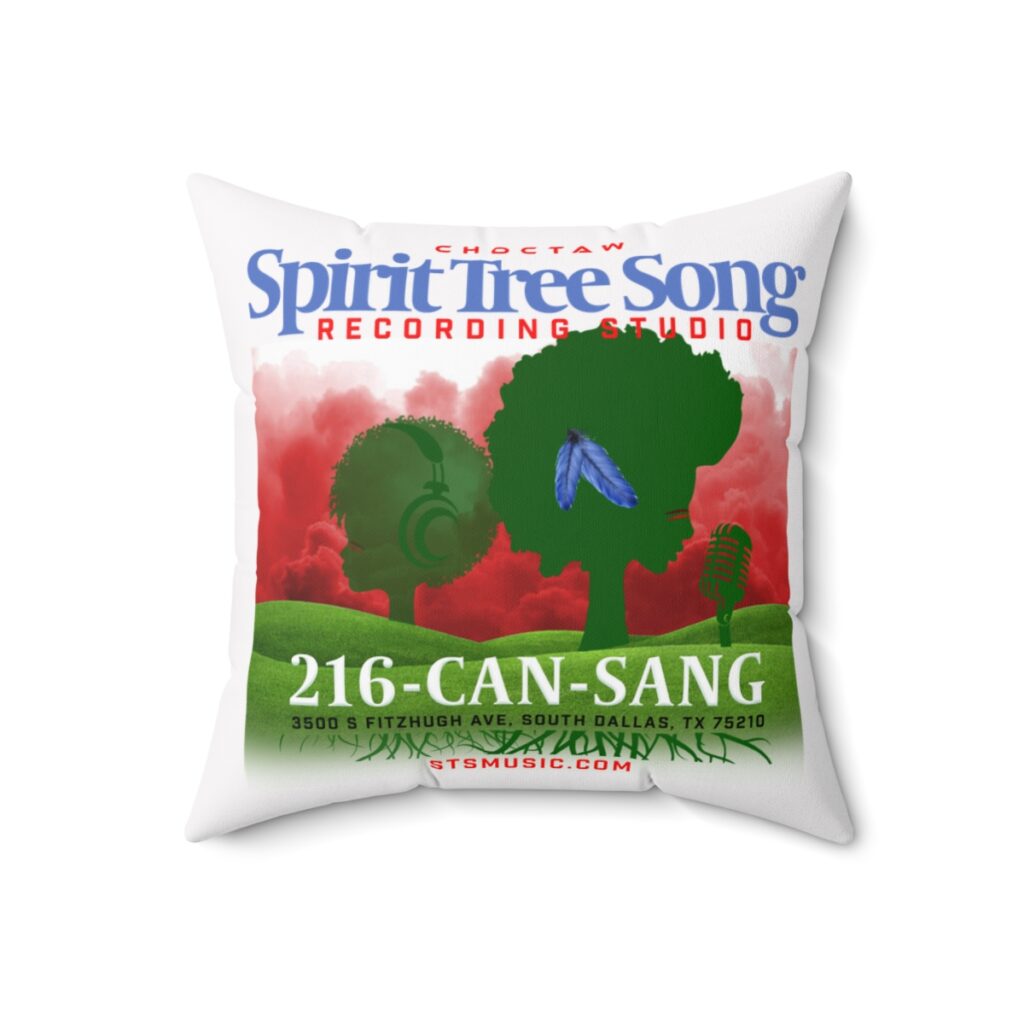
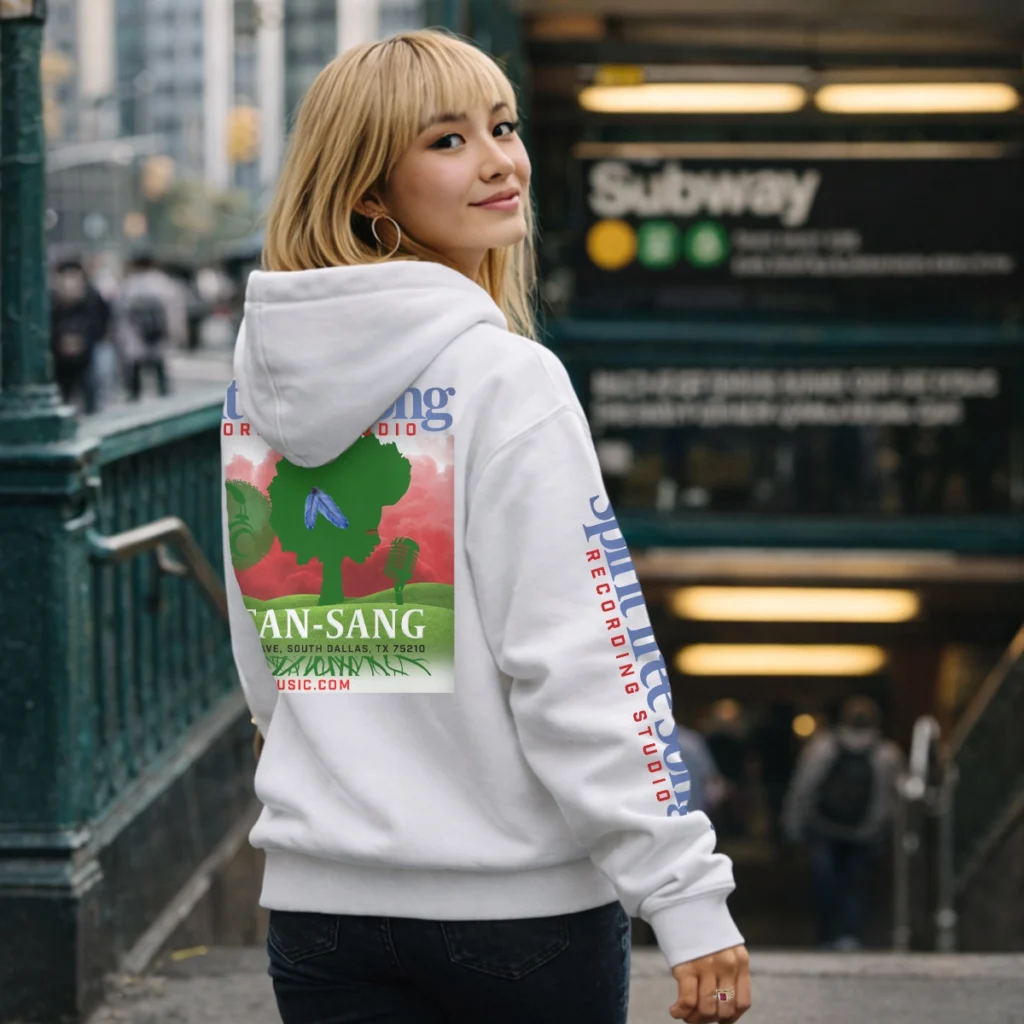
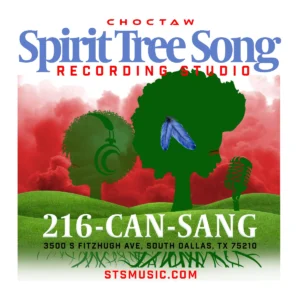 The Back: Spirit Tree Song Studio
Turn the garment and the journey continues.
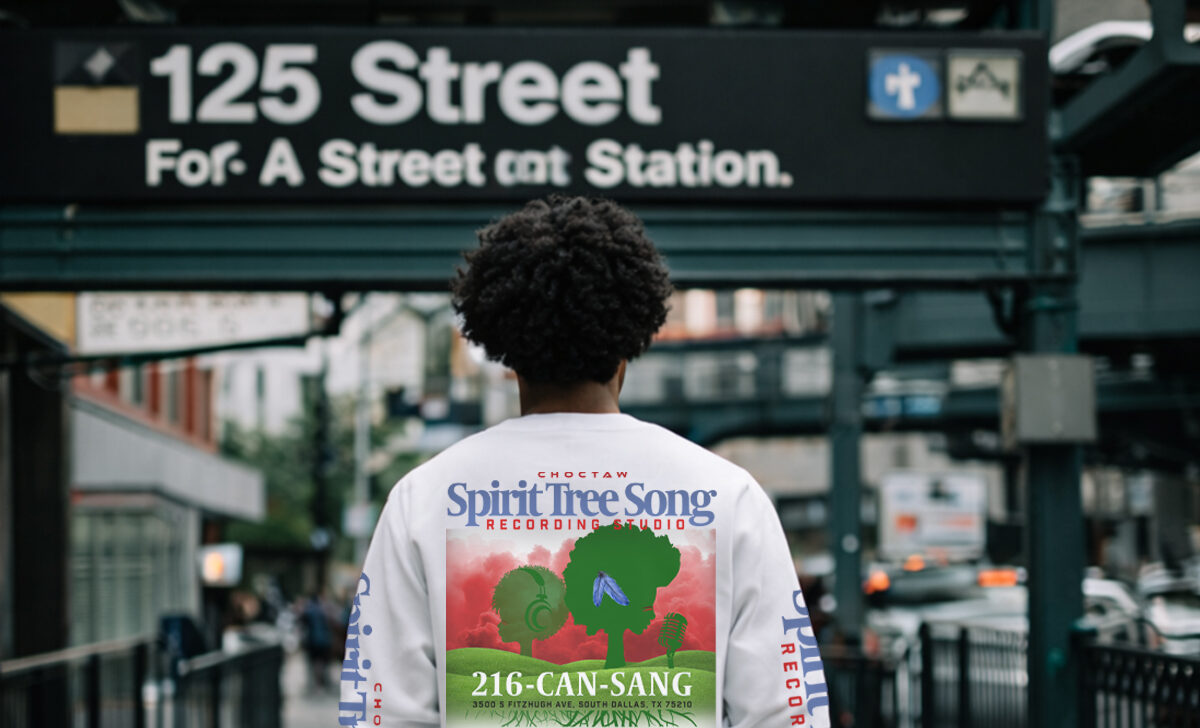
“Spirit Tree Song — Music & Sound Recording Studio”
3500 S Fitzhugh Ave, South Dallas
(216) SHE-SING
This fictional yet spiritually rooted studio represents something very real: South Dallas as sacred ground. The “Spirit Tree” concept connects to Southeastern Indigenous cosmology — where trees represent connection between underworld, earth and sky. Roots below. Life in the middle. Spirit above.
The Chahta Connection
The word “Chahta” is the traditional name often used for the Choctaw people. They are one of the Five Southeastern Nations historically referred to as the “Five Civilized Tribes” by European settlers — a colonial label that ignored the sophistication that already existed.
The Chahta had:
• Complex governance systems
• Agricultural innovation
• Clan structure
• Ceremonial mound-building heritage through earlier Mississippian cultures
• Deep musical traditions tied to stomp dance rhythms and communal call-and-response
Removal did not erase them. Survival became ceremony. HIGH POWER ties that endurance to modern sound healing. It reframes the narrative: The Indigenous spirit was never lost — it adapted. It moved. It sang through new voices.
When you wear HIGH POWER, you move through layers:
-
Ancestral memory — Chahta endurance and Southeastern Indigenous history.
-
Modern sacred space — South Dallas as ceremony ground.
-
Sonic healing — music as medicine, not just entertainment.
-
Fashion as altar — fabric as frequency carrier.
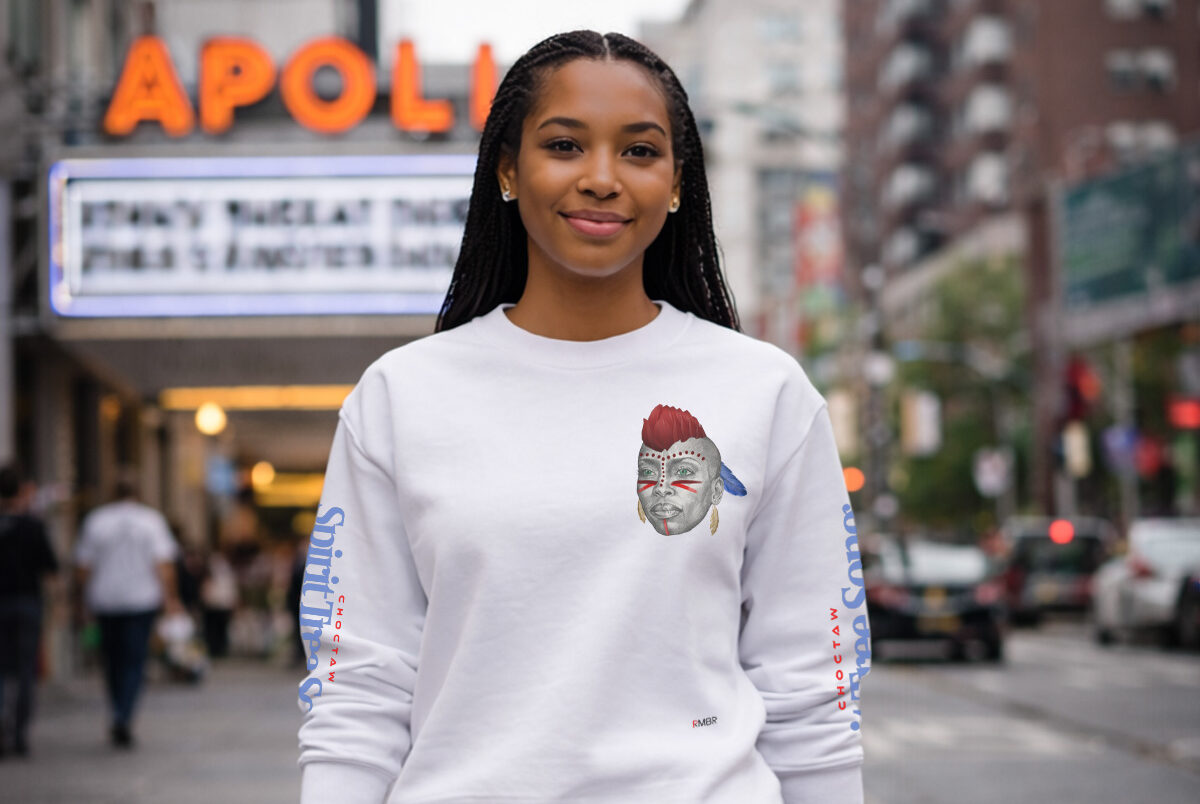
The shirt becomes an entry point. The hoodie becomes a shield. The accessories become markers. This is wearable storytelling.
Frequency Over Fame
“Some sing for the charts. She sings for the spirits.” HIGH POWER is about resonance — the kind you feel in your chest before you understand it with your mind. It’s about remembering that long before microphones and streaming platforms, there were drums, chants, breath and communal vibration. RMBR Brand doesn’t just design garments.
It builds portals. And HIGH POWER is an invitation to walk through one — rooted in Chahta history, carried through South Dallas rhythm and stitched into every fiber of the collection. This is not merch. This is memory in motion.
The Accessories: Symbols in Motion
The accessory pieces extend the story. Smaller emblems — feathers, studio marks, symbolic graphics — transform the garment into a moving altar. These aren’t graphics slapped onto fabric. They are intentional placements — designed for accessories that allow the story to live beyond a single surface. The collection is built so that each accessory accent — becomes part of the same spiritual architecture. You don’t just put it on. You step into it!
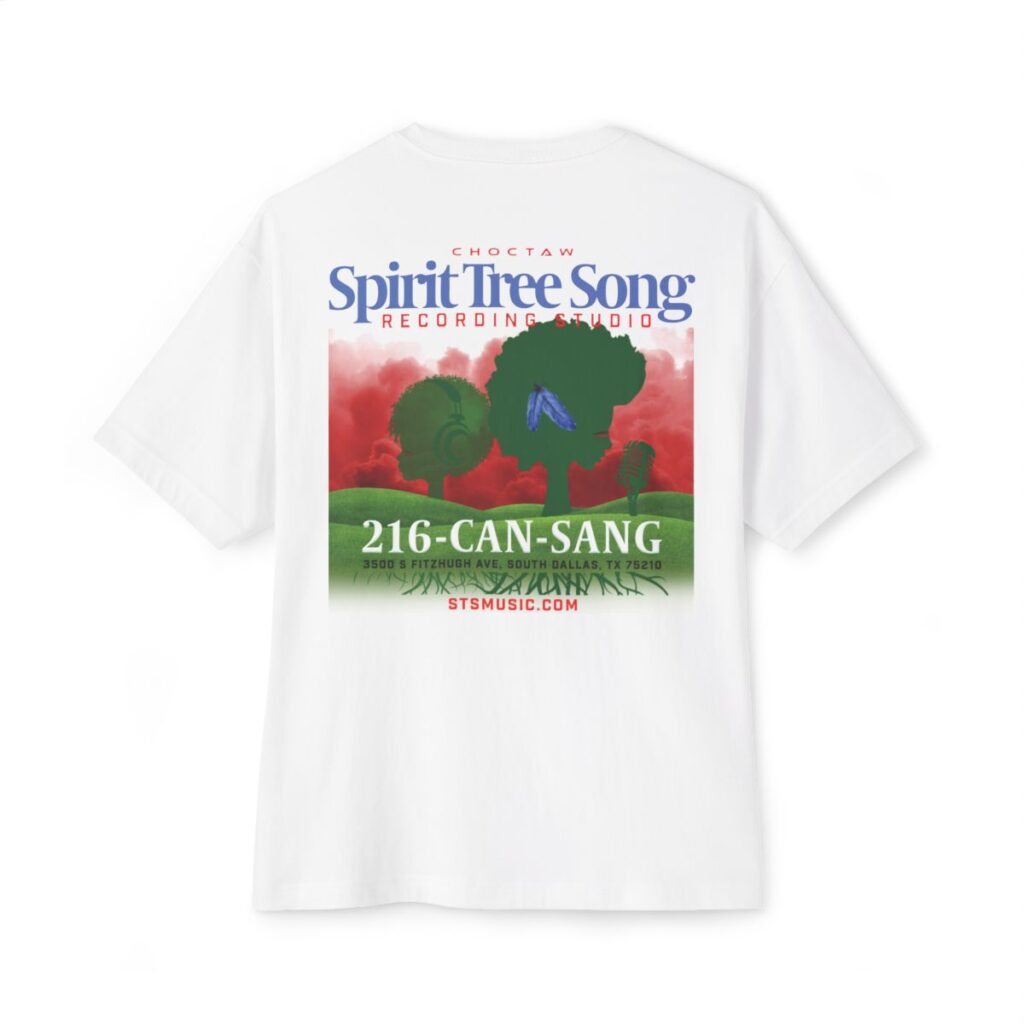
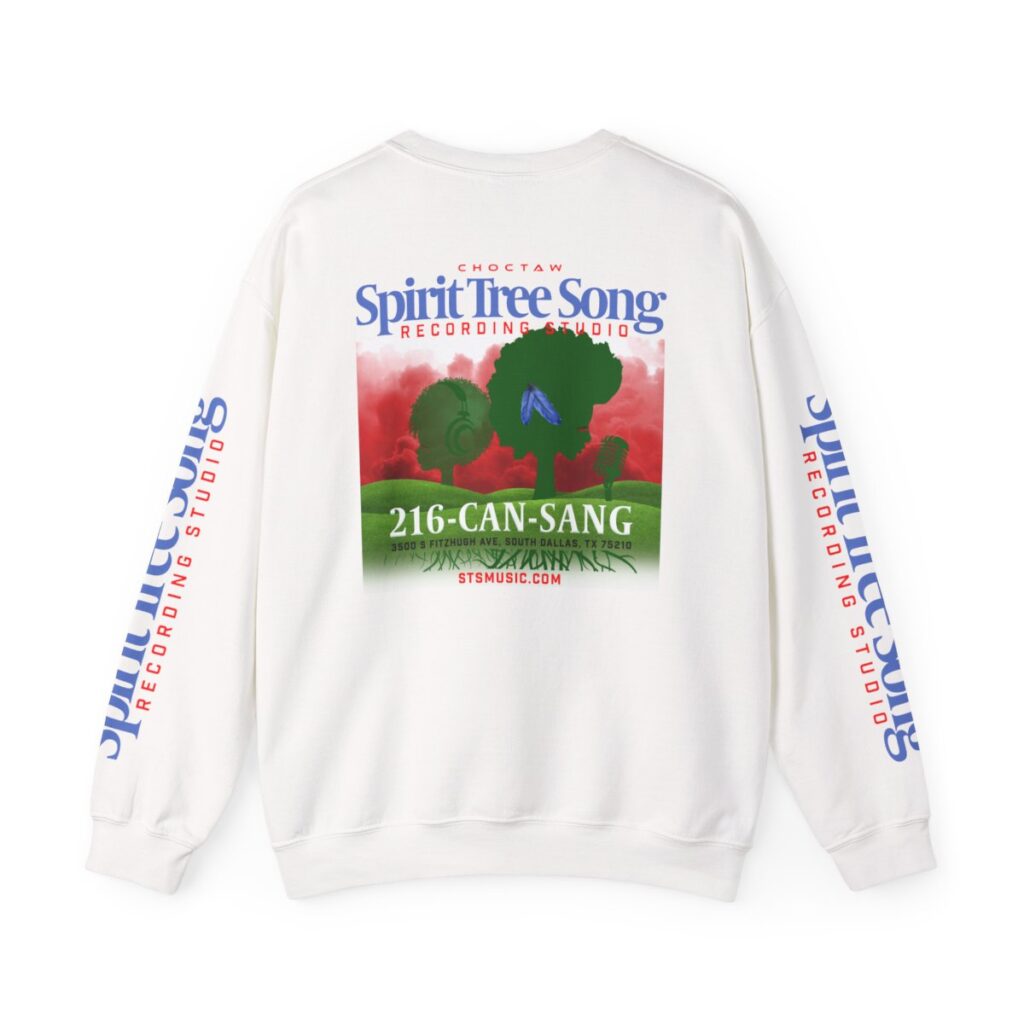
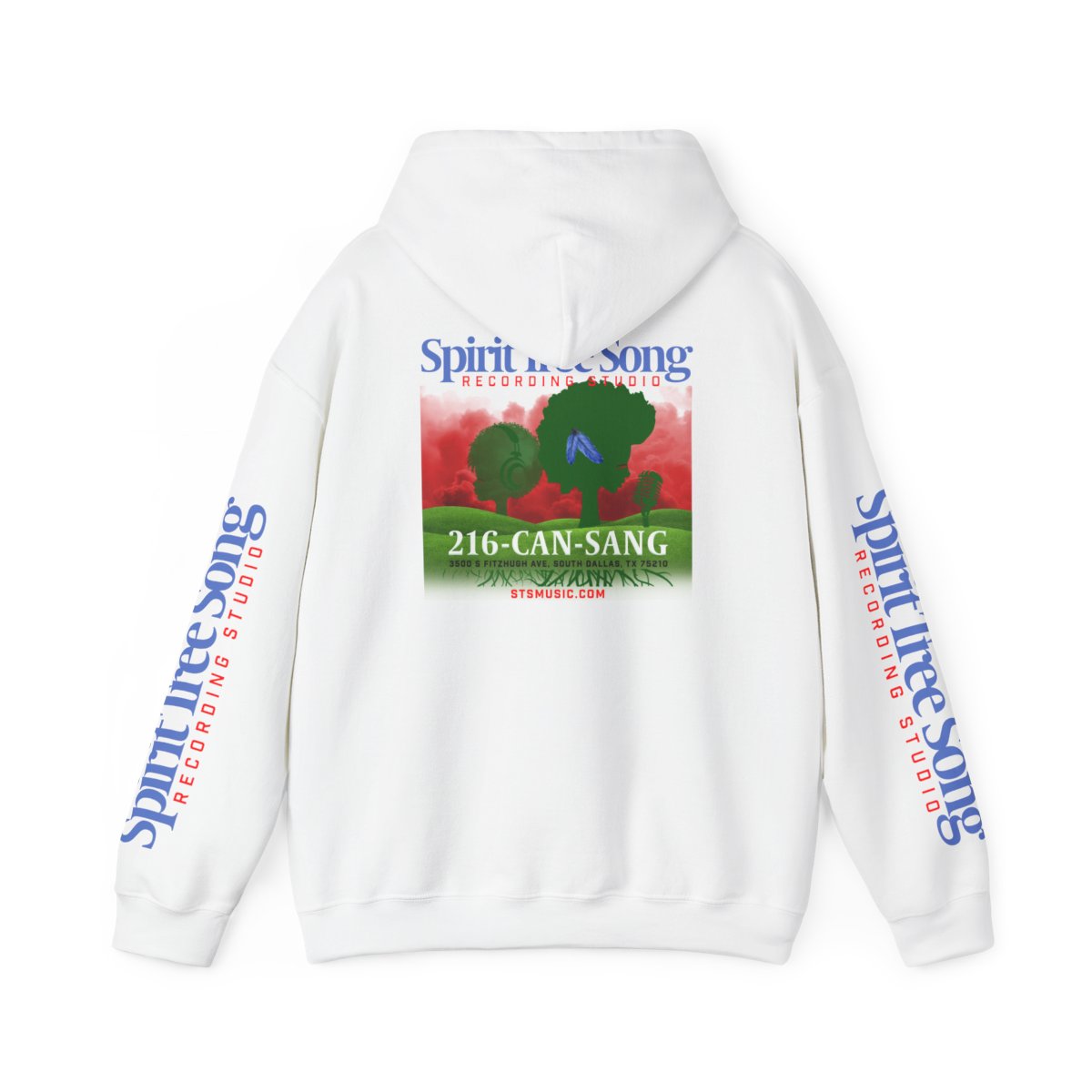
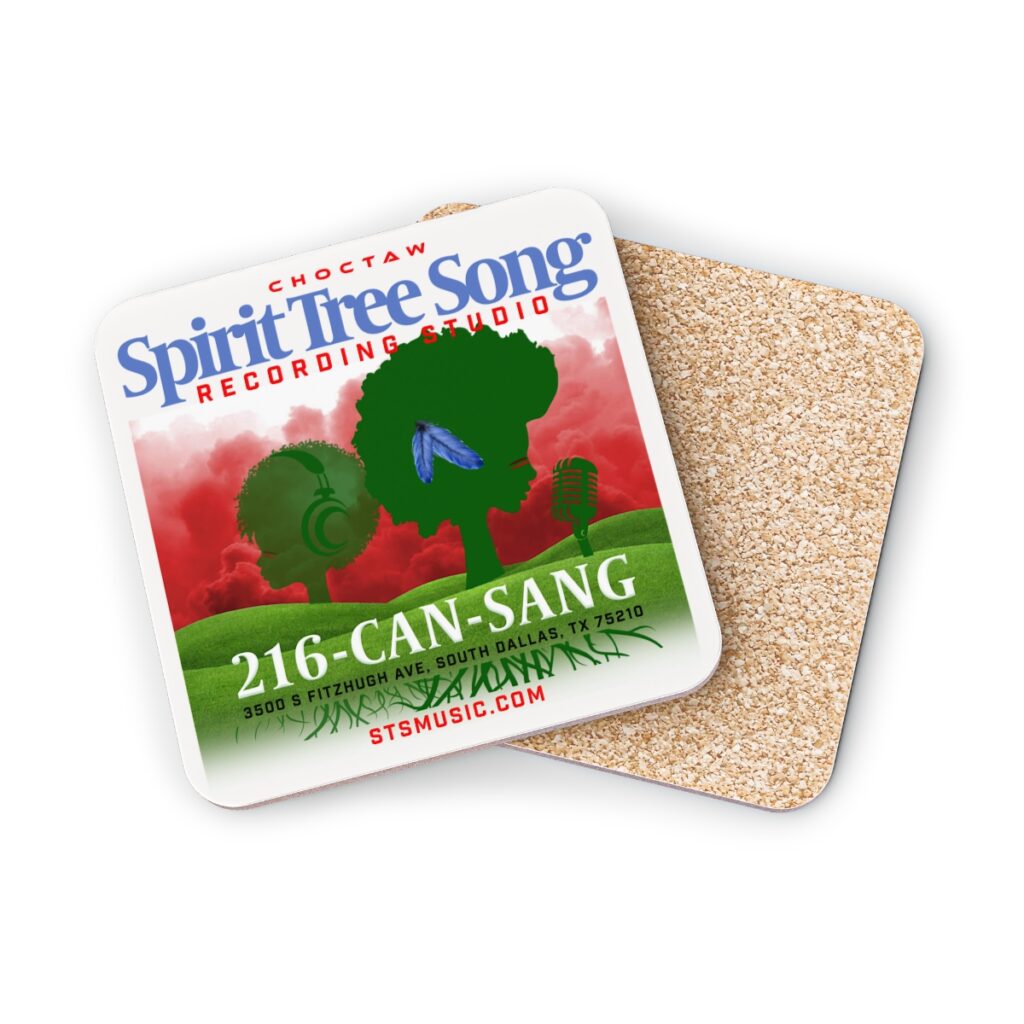
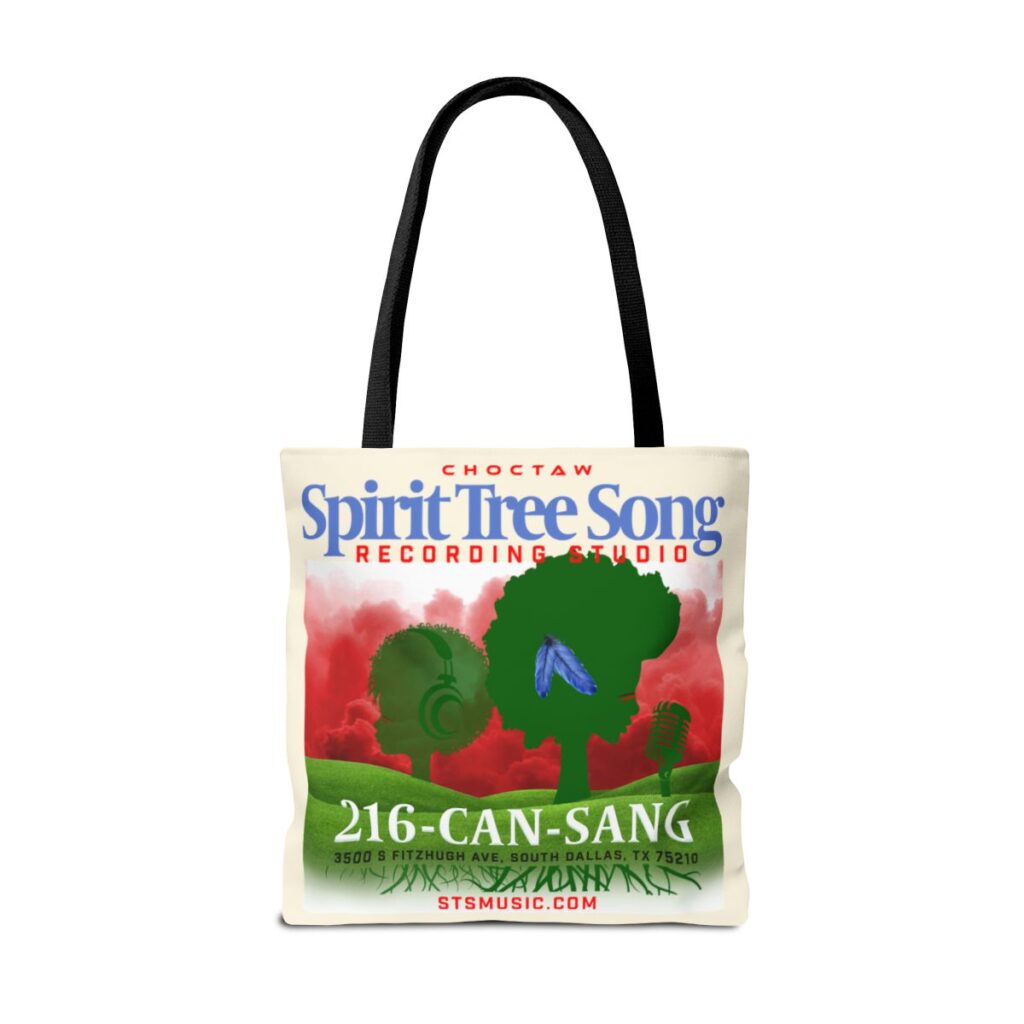
In Chahta history, homeland territories stretched across what is now Mississippi, Alabama and Louisiana before forced removal during the 1830s Trail of Tears. Despite displacement, the culture survived through song, stomp dances, storytelling and community structure. Music was medicine long before it was monetized. So Spirit Tree Song Studio becomes symbolic — a modern ceremonial ground in urban space. The phone number says it plainly: (216) SHE-SING because this isn’t chart music. It’s healing music.


Erykah Badu
Erykah Badu isn’t just a singer — she’s a cultural force. Born Erica Abi Wright on February 26, 1971, in Dallas, Texas, she became the face of the neo-soul movement in the late 1990s and never let the box define her.
The Breakthrough
Her debut album, Baduizm (1997), changed the temperature of R&B. It wasn’t glossy. It wasn’t chasing radio formulas. It was warm, analog, spiritual. Tracks like On & On and Next Lifetime felt conversational — like journal entries sung over live instrumentation.
She followed it with Mama’s Gun, a deeper, more introspective project that gave us Bag Lady — a song that hit people where they live. Emotional baggage, self-sabotage, accountability. She wasn’t just singing hooks; she was diagnosing souls.
Sound & Style
Badu blends R&B, jazz, hip-hop, funk and spirituality. But what makes her distinct is intention. Her music often explores:
- Emotional healing
- Self-awareness
- Community responsibility
- Black identity and liberation
- Motherhood and womanhood
Visually, she’s just as powerful. Headwraps. Towering silhouettes. Barefoot performances. She turned mysticism into mainstream presence without watering it down.
Cultural Impact
She’s often called the “Queen of Neo-Soul,” but that title is too small. She influenced artists like Jill Scott, Jhené Aiko, Solange and even rappers who leaned into vulnerability. She collaborated with legends like D’Angelo, Common and The Roots.
She’s also known for fearless moments — whether that’s the controversial public art statement in her Window Seat video or her outspoken takes on culture and politics.
Dallas Roots
She never detached from her city. South Dallas shaped her cadence, her church undertones, her grounded mysticism. She founded community initiatives and even delivered babies as a trained doula — that’s not branding. That’s alignment with life cycles and healing.
Why She Endures
Badu doesn’t chase trends. She bends time.
Her catalog feels alive because it was built from lived experience, not marketing strategies.

The New Amerykah Era: When Erykah Badu Went From Soulful to Surgical
By 2008, Badu wasn’t interested in being the “neo-soul queen” anymore. She pivoted — sharply.
New Amerykah Part One (4th World War)
This wasn’t incense-and-headwrap Badu.
This was coded-message, Afrofuturist, political Badu.
The album title alone tells you the tone: “4th World War.” She was talking about the psychological war — media manipulation, consumerism, systemic oppression, internalized self-hate. This wasn’t soft reflection. It was critique.
Tracks like:
- The Healer — “Hip-hop is bigger than religion.” That line wasn’t hype. She was arguing that culture shapes morality more than institutions do.
- Soldier — A meditation on survival in a militarized, overstimulated America.
- Master Teacher — The “I stay woke” origin before the phrase got commercialized.
Production leaned experimental — heavy drums, analog distortion, less polish. Collaborations with Madlib and 9th Wonder gave it that underground intellectual grit.
This album wasn’t meant to comfort you.
It was meant to wake you up.
New Amerykah Part Two (Return of the Ankh)
Then she balanced the scale.
Part Two felt warmer, relational, more feminine. Where Part One challenged systems, Part Two examined the heart.
- Window Seat — A song about vulnerability and isolation, wrapped in one of the boldest performance-art music videos of the 2000s.
- Out My Mind, Just in Time — A three-part emotional breakdown in real time. It’s raw, unfiltered, uncomfortable — and honest.
The “Ankh” reference points to ancient African symbolism — life, rebirth, continuity. She wasn’t just making albums. She was building philosophical arcs.
What Changed in This Era?
- From vibe to vision.
Early Badu was soulful introspection. New Amerykah was ideological. - From personal healing to collective consciousness.
She started talking about capitalism, incarceration, political fatigue, media hypnosis. - From earthy mystic to Afrofuturist architect.
The visuals shifted — structured hair, bold silhouettes, cosmic undertones.
Why This Matters for a Concept Like HIGH POWER
If you’re framing Badu as a Chahta High Chieftess or sonic healer, this era is crucial.
Because this is when she fully embraced:
- Music as frequency warfare
- Culture as resistance
- Sound as psychological liberation
She wasn’t just singing about love.
She was analyzing empire.
And here’s the real insight:
She didn’t abandon softness to gain strength. She integrated both.
That duality — warrior and priestess, critic and nurturer — is what makes her mythology durable.