





 The Cherokee by RMBR
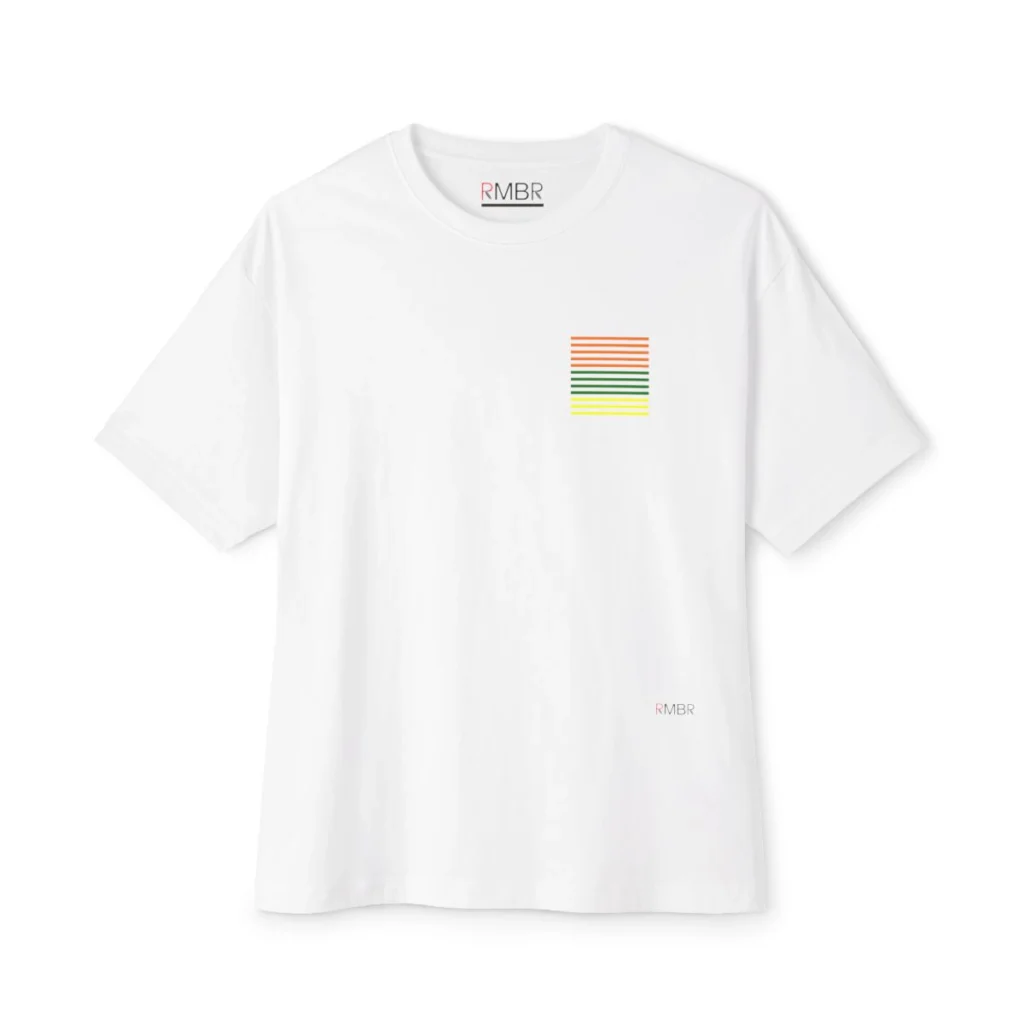
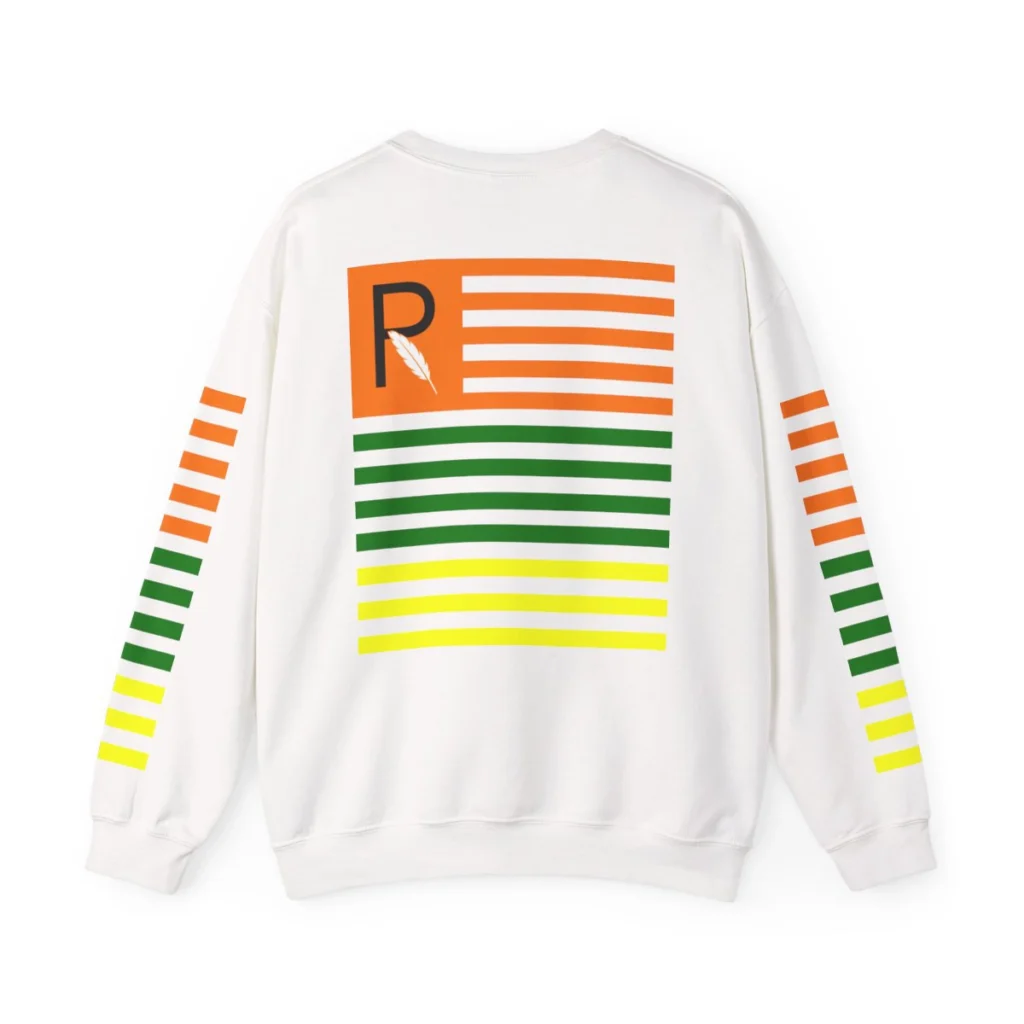
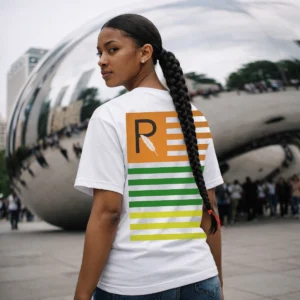
Step into timelessness with our CHEROKEE shirts and accessories — a bold fusion of streetwear ease and ancestral reverence. These unisex piece honors the enduring power of the Cherokee Nation (Ani-Yunwiya) whose story is deeply rooted in the soil of North America long before the U.S. existed. The bold, multicolor stripes do more than draw the eye — they represent layers of identity:
- Orange = fire of resistance
- Kelly green = water memory and bloodlines
- Yellow lines = concealed history
- The black “R” + white feather = Remember who you are
 Before Europeans showed up, Ani-Yunwiya life was already ancient, organized and deeply rooted in the Southern Appalachian world—permanent towns, farming, ceremony, diplomacy and a strong kinship system. Here’s the traditional/pre-colonial picture, in a grounded way. “Cherokee” is not the original name those people used for themselves. The people themselves Ani-Yunwiya pronounced roughly Ah-nee-yoon-wee-yah meaning “The Principal People” or “The Real People.” That is their traditional self-name.
The Ani-Yunwiya (“Real People”) lived in well-organized towns across what is now the Southeast—especially in the Appalachian region. These weren’t scattered camps—they were structured communities, permanent towns with central plazas used for gatherings, games, and ceremonies. A large council house (often circular) for governance and spiritual matters. Homes made from wattle and daub (wood, clay and fiber), built for durability across seasons. Settlements placed near rivers and fertile land, supporting both farming and travel. Life was stable, rooted and community-centered—not nomadic the way it’s often misrepresented.
 Where did “Cherokee” come from?
Cherokee is an English adaptation which was used to exclude the indigenous Ani-Yunwiya people. Most scholars believe it likely came from: a Choctaw word Cha-la-kee (“people of another speech”) or possibly a Spanish rendering from early colonial records. In other words, it was a name applied from the outside, not the name they used for themselves which was Ani-Yunwiya.
Today, the people known as Cherokee, which is a catch all tribe, are organized into federally recognized governments that excluded so-called Negroes and Blacks. Such governments are Cherokee Nation, Eastern Band of Cherokee Indians and United Keetoowah Band of Cherokee Indians, which are considered the $5 Indians by the indigenous. Culturally and linguistically, Ani-Yunwiya is the deeper indigenous identity that RMBR stands by.
Homelands and towns
 Ani-Yunwiya communities were centered in the southern Appalachians—today’s areas around western North Carolina, eastern Tennessee, north Georgia and upstate South Carolina (with influence and connections beyond). They lived in permanent towns (not roaming camps) and towns could be politically independent while sharing language, culture and alliances.
How society was organized
Ani-Yunwiya society was built around clans and it was matrilineal—children belonged to the mother’s clan, and clan ties shaped identity, marriage rules, responsibilities and justice. There were seven major clans widely referenced in historical accounts. Government and leadership (before colonial pressure)
Rather than one king over everything, Ani-Yunwiya political life operated through town councils and respected leaders. Each town had civic and ceremonial structures (including council houses) and decision-making was tied to community consensus and clan roles.
Food systems and daily life
Ani-Yunwiya people were agricultural and lived in year-round settlements, supported by farming plus hunting, fishing, and gathering. This “town + fields + surrounding resources” pattern is key to understanding pre-colonial Ani-Yunwiya life. The Ani-Yunwiya had a highly developed food system based on balance with the land. Agriculture (mainly led by women) corn, beans and squash (“Three Sisters”) formed the dietary foundation. Sunflowers, berries, nuts and medicinal plants were also cultivated. Hunting & fishing (mainly led by men) deer, turkey and small game. Fish from rivers using spears, traps and nets. This wasn’t survival—it was sustainability. They understood seasons, soil and ecosystems deeply.
Sacred landscapes and mound-era roots
Ani-Yunwiya ancestors were connected to the broader Mississippian/South Appalachian Mississippian world (roughly 800–1600 CE), where communities built and used platform mounds and practiced complex ceremonial life. Archaeology in places tied to Ani-Yunwiya ancestry (like western NC/TN) links Ani-Yunwiya roots to this mound-and-town tradition.
 Language and origins
Ani-Yunwiya is an Iroquoian language, which is unusual in the Southeast (most neighbors spoke Muskogean or other families). Because of that, scholars debate deeper origins—some propose migration from northern Iroquoian areas long before European contact, while others emphasize long regional development in the Appalachians. The key: the language tells you Ani-Yunwiya are distinct, with ancient roots and relationships that predate colonial borders.
Relationships with other nations
Pre-colonial Ani-Yunwiya life wasn’t isolated. They had trade, intermarriage, conflict and alliance networks with neighboring Indigenous nations across the Southeast/Appalachians—part of a big, connected world long before Europe arrived.
 WHY RMBR CARES
Because when you understand the pre-colonial Ani-Yunwiya world, you stop seeing Indigenous identity as a “theme” and start seeing it as nationhood—as law, culture, family structure and land relationship. And it also teaches something modern people need: we come from systems, not stereotypes. RMBR isn’t here to play dress-up with history. RMBR is here to respect the depth and remind people that the story didn’t start when outsiders showed up. It started when the people already had names for the mountains.
Wear the memory. Study the line. Respect the Nation. The Ani-Yunwiya story— before colonialism—was already a world. And the world still stands RMBR!
ACCESSORIES