
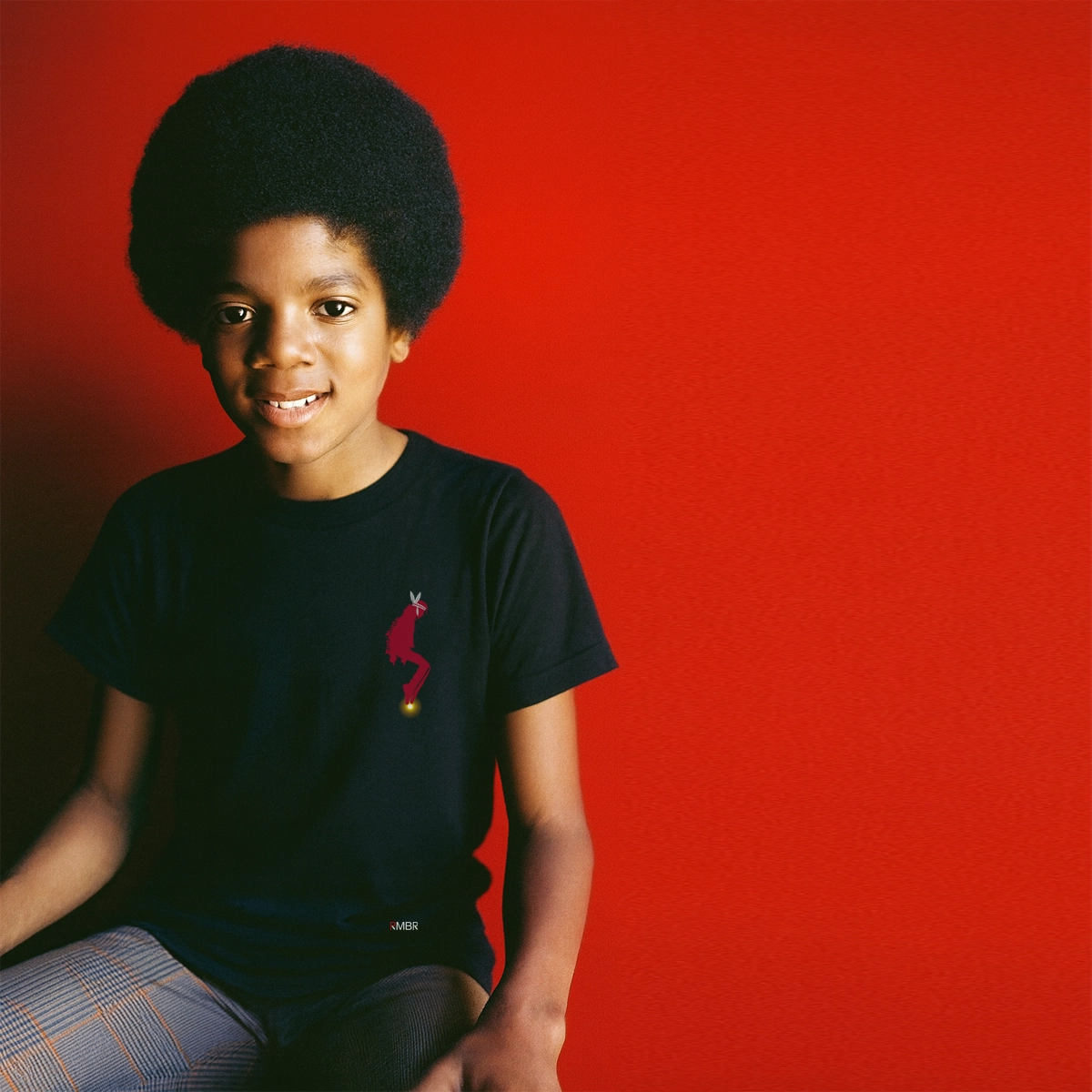




SUN WALKER: The Michael Jackson Tribute Collection
Chahta Spirit, Cosmic Rhythm and the Legacy of the King of Pop
BUY NOW!
Some artists entertain the world and others change the frequency of it. Few figures in modern history carried the cultural gravity of Michael Jackson. Known globally as the King of Pop, Jackson reshaped music, dance and visual performance in ways that still ripple through generations today. Yet beneath the glittering stage lights and electrifying choreography, there was always something deeper about his movement — something ancient, almost ceremonial. Before the world ever saw the moonwalk, there was something older. There was the sun walking.

BUY NOW!
The SUN WALKER collection by RMBR is a tribute that blends Michael Jackson’s legendary artistry with the spiritual symbolism of the Chahta people, one of the historic Indigenous nations of the southeastern woodlands. Through shirts, accessories and original artwork, this collection explores the idea that Jackson’s extraordinary presence carried the rhythm of something timeless — a connection between modern culture and ancestral movement. This is not simply a tribute to a musician, it’s a tribute to movement as memory, rhythm as spirit and art as ancestry.
The Meaning of the Sun Walker

BUY NOW!
Across many Indigenous traditions, the sun represents life, knowledge and spiritual power. It is the center of the sky, the giver of warmth, and the symbol of illumination and renewal. To be a SUN WALKER is to move with that light — to carry energy that radiates outward and touches the world.
When audiences watched Michael Jackson perform, they often described the experience as something otherworldly. Stadiums filled with tens of thousands of people would erupt in unified motion, following every spin, glide and heartbeat of the music. Jackson’s dancing seemed to defy gravity, he could freeze time mid-spin, lean impossibly forward and could make an entire arena feel like a single pulse. These moments felt almost ceremonial, reminding us that dance has long been one of humanity’s oldest languages — a form of storytelling that predates written history.
In many Indigenous cultures, dance connects people to the earth, the sky and the spirits of their ancestors. The SUN WALKER concept imagines Michael Jackson as a figure standing upon the glowing sun itself — a dancer whose movement radiates light across the world.
BUY NOW!
Chahta: Reclaiming the Original Name
At the heart of the SUN WALKER design is a powerful statement, “They called us Choctaw. But we were always Chahta.” The name
Choctaw is the Anglicized version introduced through colonial contact. The people themselves have long referred to their nation as Chahta, a name rooted in their own language and cultural identity.
Restoring this name honors the legacy of a people whose history stretches across the lands of Mississippi, Alabama and Louisiana. The Chahta were known for their strong spiritual traditions, ceremonial dance and deep connection to the cycles of nature.
The SUN WALKER collection reconnects this ancestral identity with modern cultural storytelling, bridging the past and present through visual art and fashion.
The SUN WALKER Tops

BUY NOW!
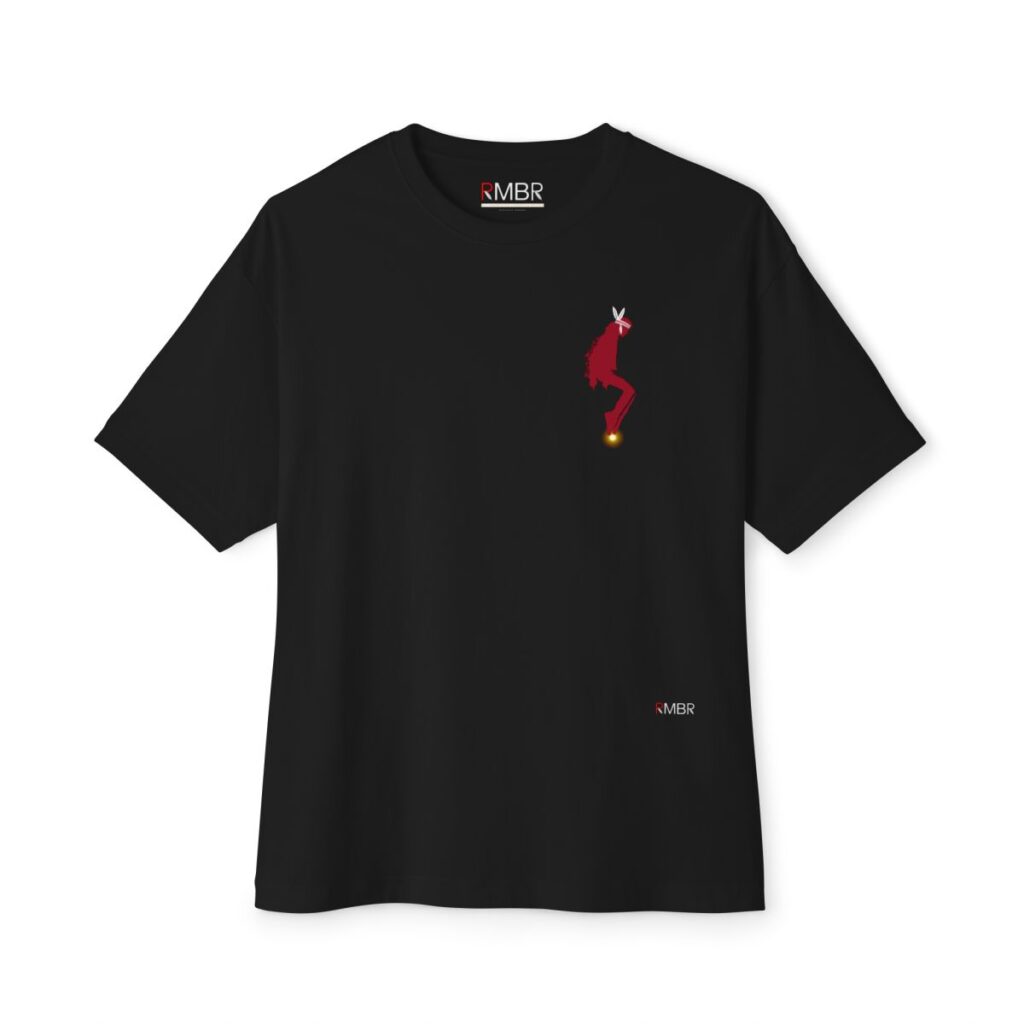
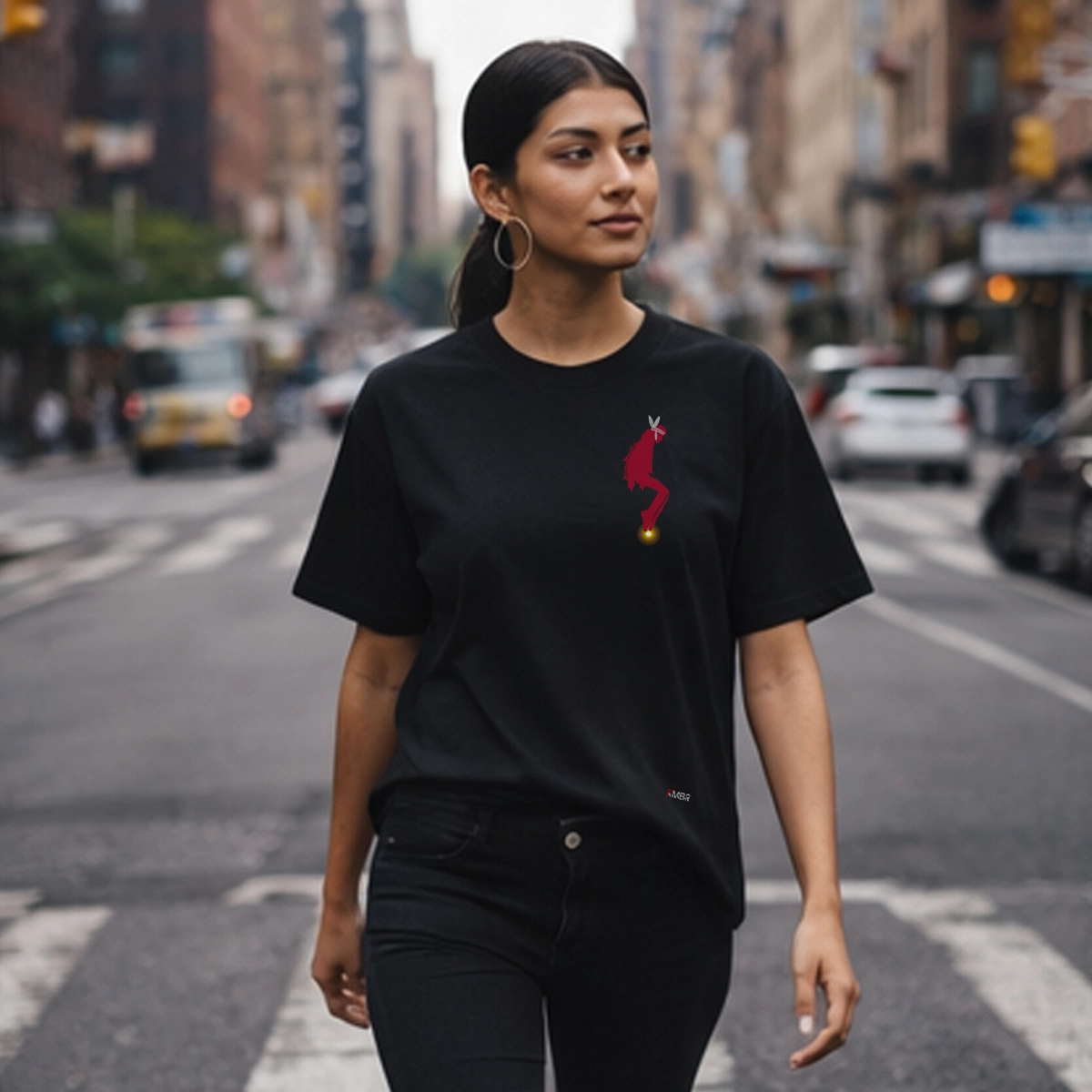
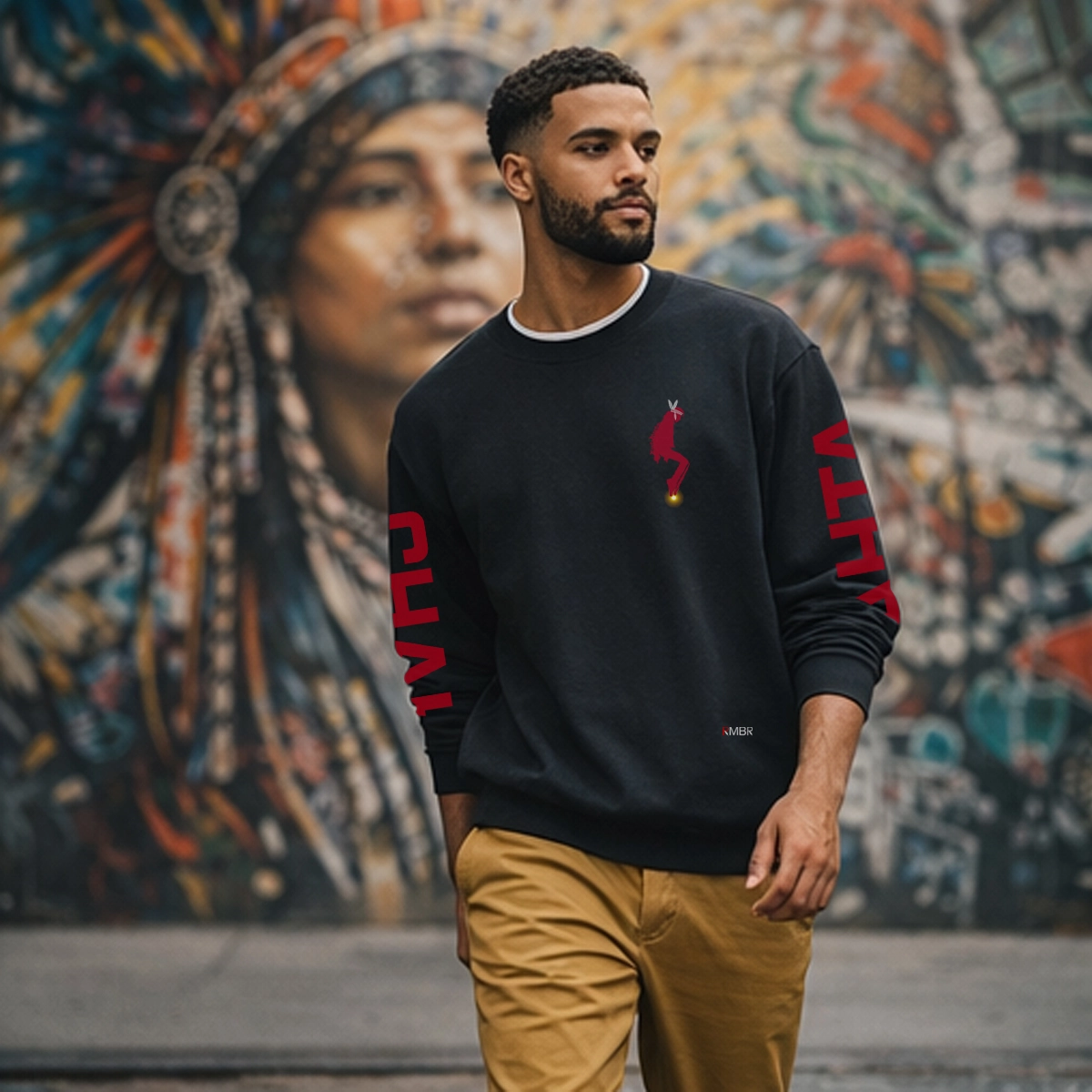
At the center of the collection is the SUN WALKER tribute shirts.
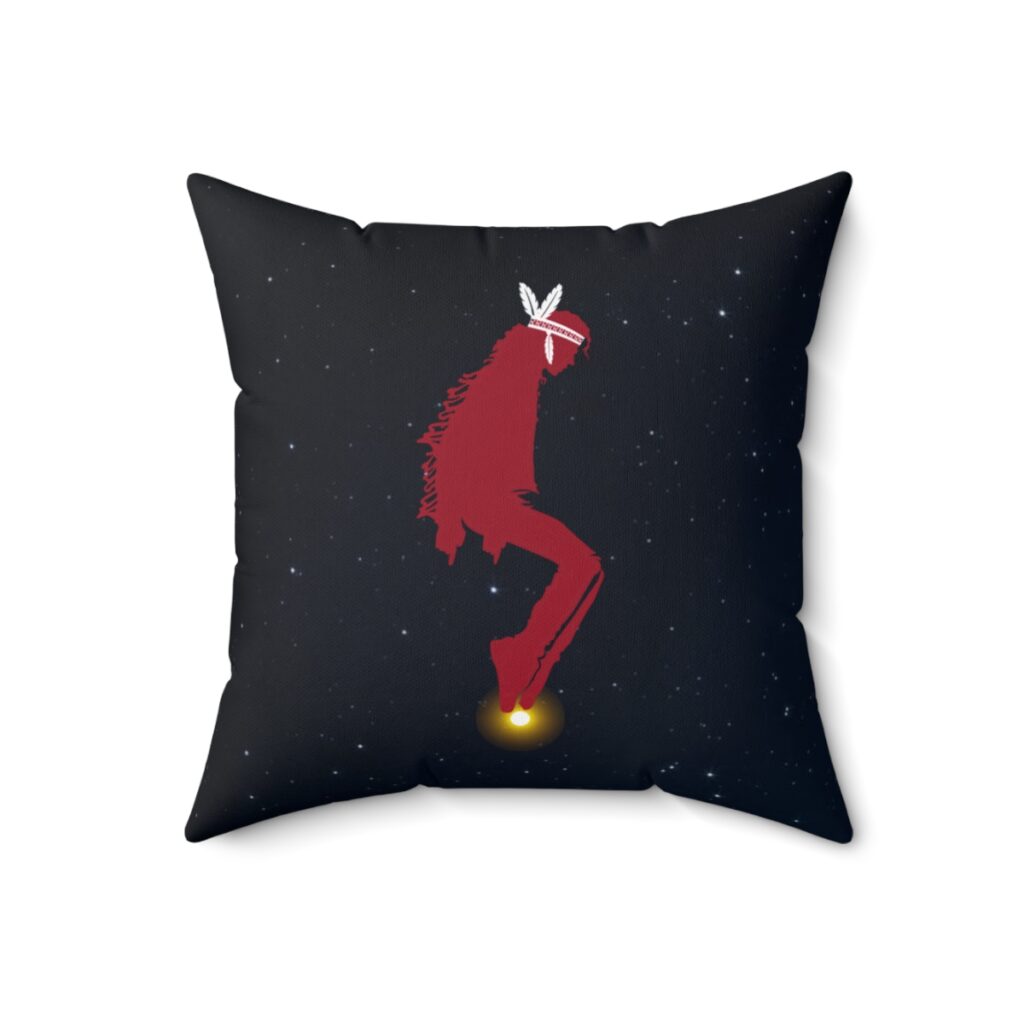
The design features a striking silhouette of Michael Jackson mid-dance, adorned with feathers and standing atop a glowing sun. This image transforms one of the most recognizable performers in history into a symbolic figure — part dancer, part spiritual messenger.
Feathers represent the bridge between the physical and spiritual worlds. The glowing sun beneath the dancer symbolizes life energy, illumination and the creative force that fuels art and movement.
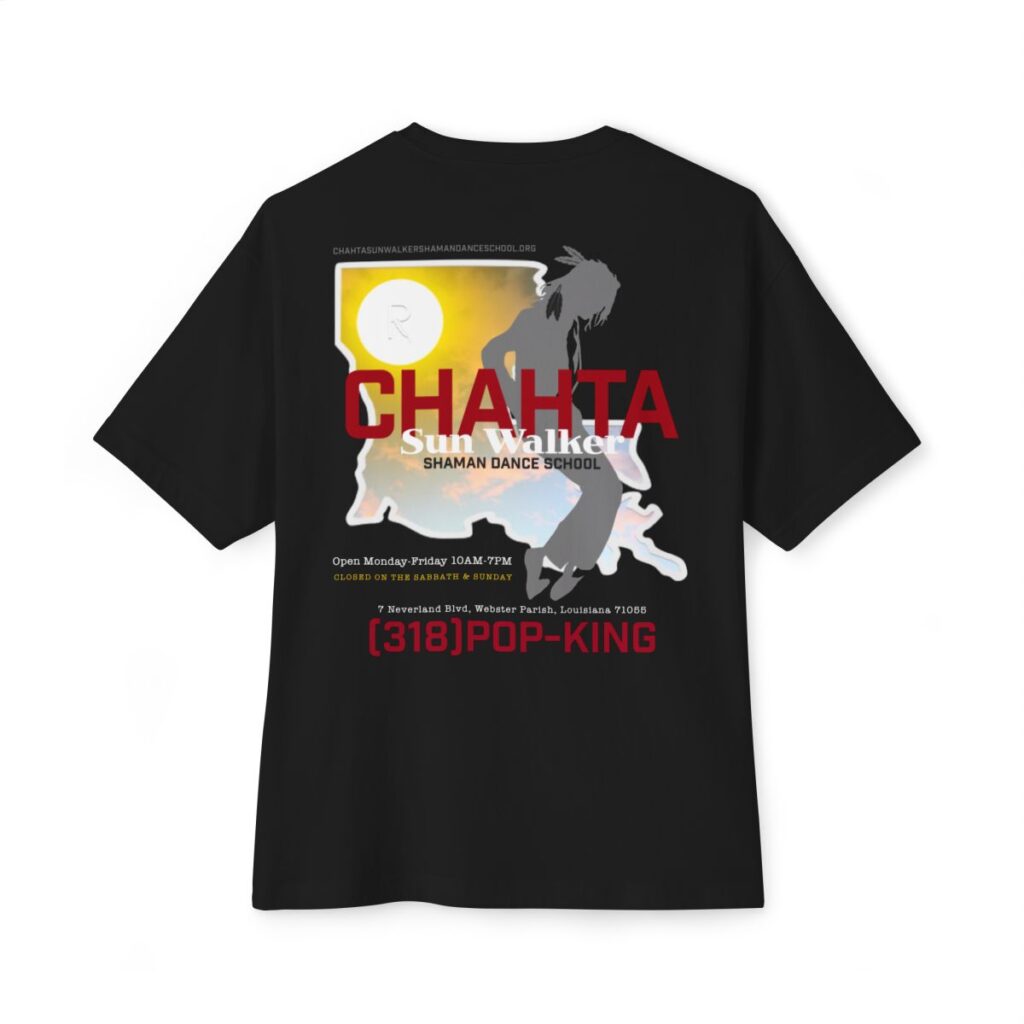
The typography surrounding the design references the Chahta Sun Walker Shaman Dance School, makes wearing the SUN WALKER shirts more than a fashion statement — it becomes a tribute to artistic brilliance, cultural memory and the enduring power of rhythm. The design celebrates the power of creativity and the timeless influence of one of the greatest entertainers in history.
SUN WALKER Accessories

BUY NOW!
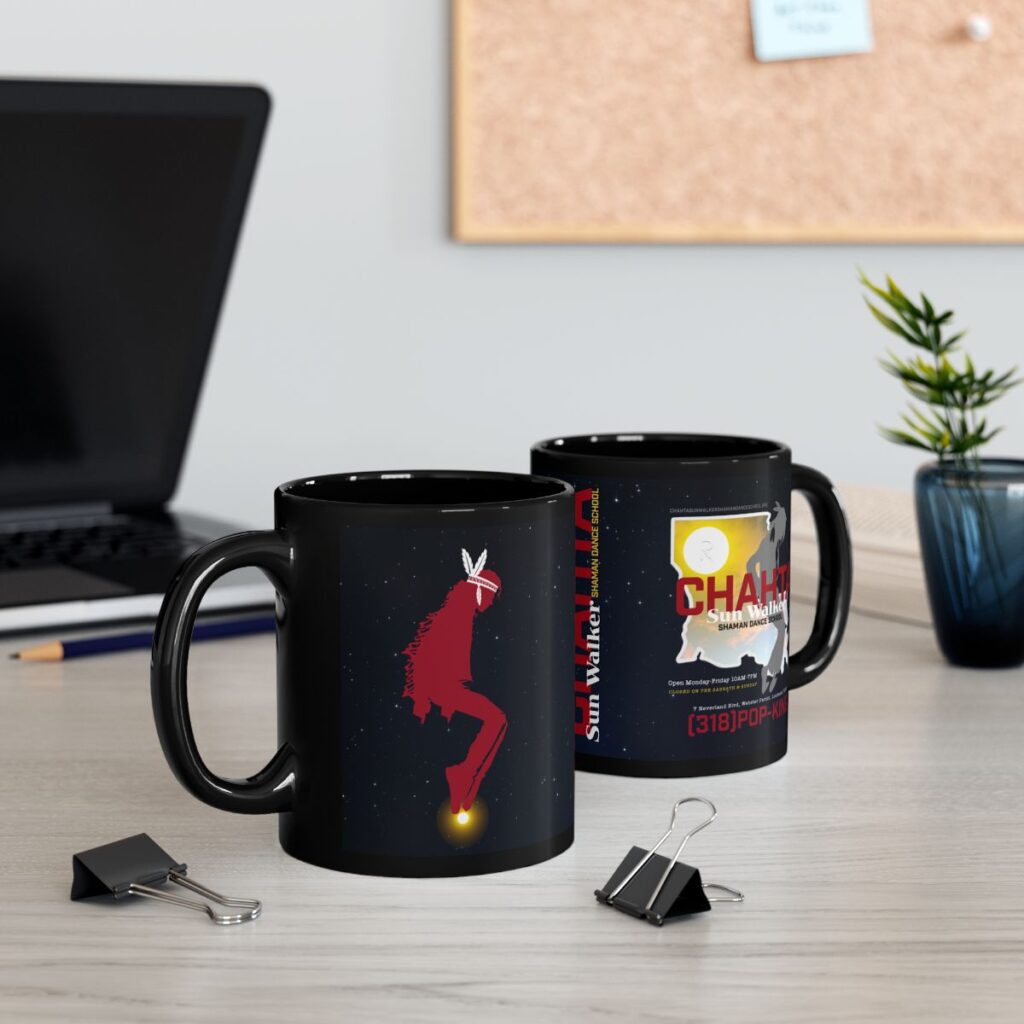
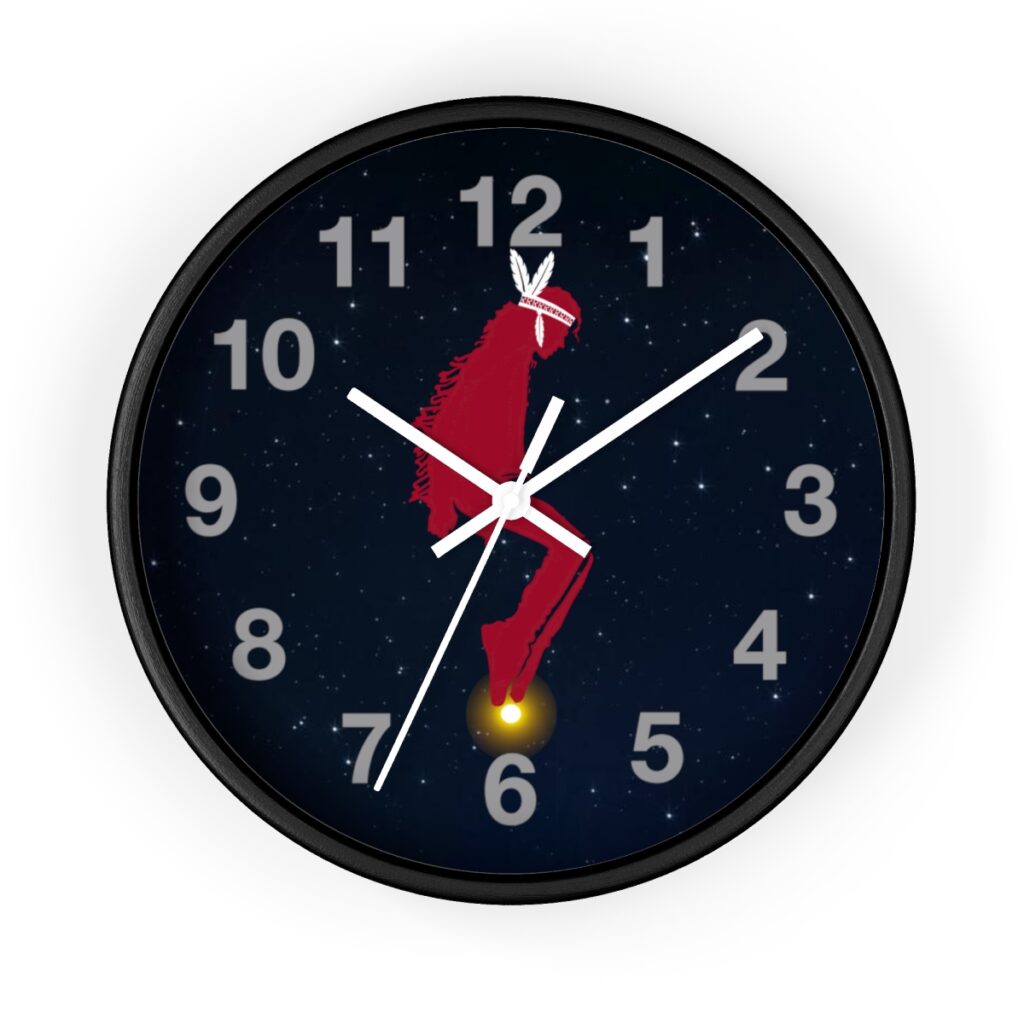
The SUN WALKER concept extends beyond clothing into a series of striking accessories that allow the story to travel into everyday life.
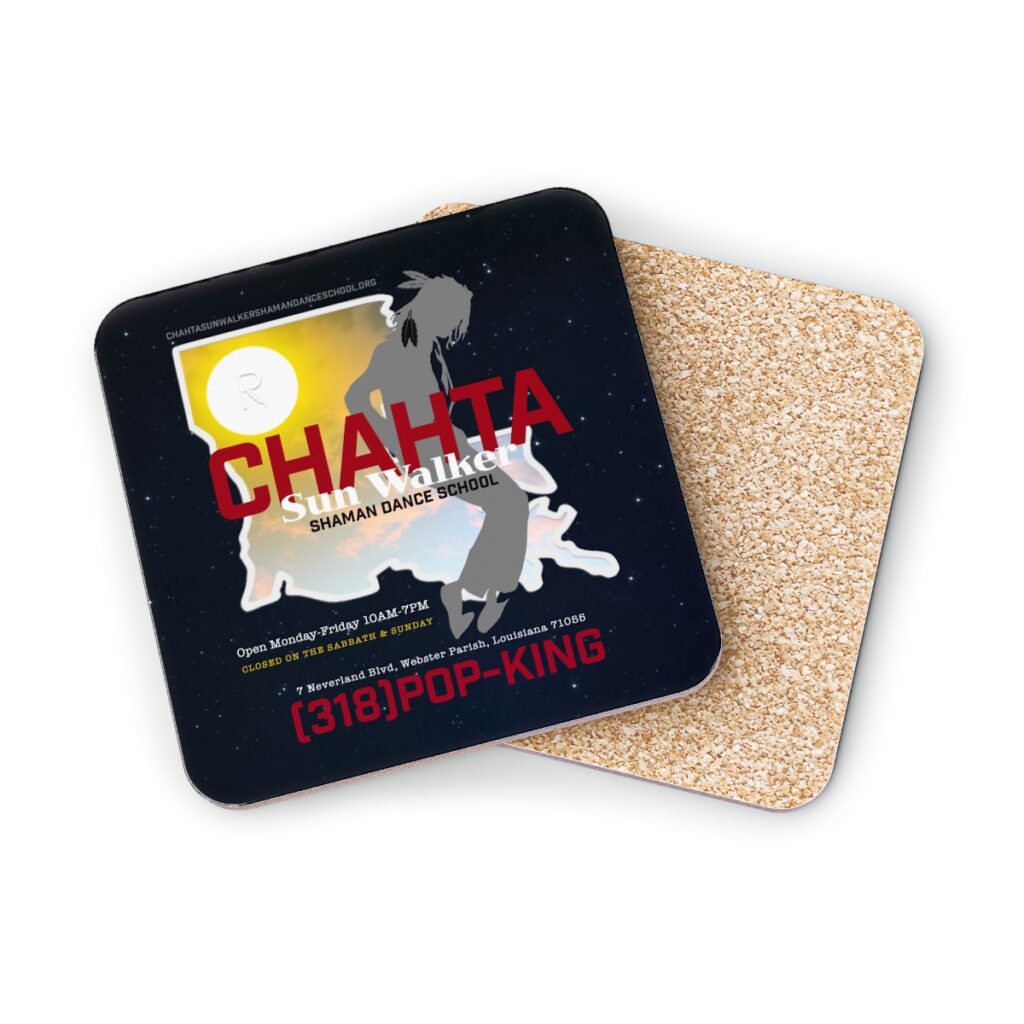
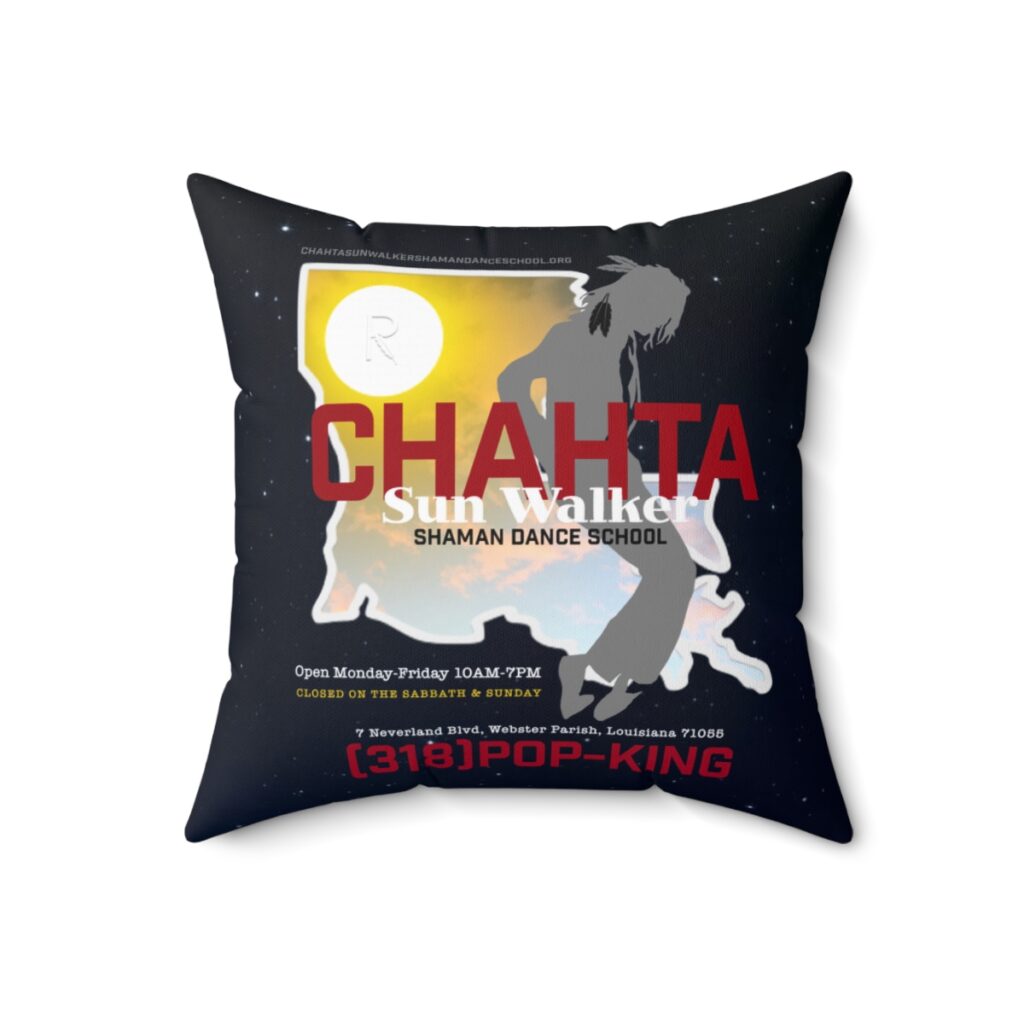
The SUN WALKER accessories transforms the design into a piece of daily inspiration. The deep night-sky background and glowing sun beneath the dancer create a cosmic atmosphere — as if the movement is taking place somewhere between earth and the stars.
Every time an accessory is lifted, the image reminds the viewer that creativity, identity and heritage are forces that live within us every day.
Accessories like this extend the reach of the artwork beyond the wardrobe, bringing the SUN WALKER story into homes, studios and workspaces.
SUN WALKER Artwork
BUY NOW!
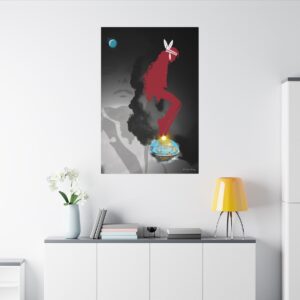
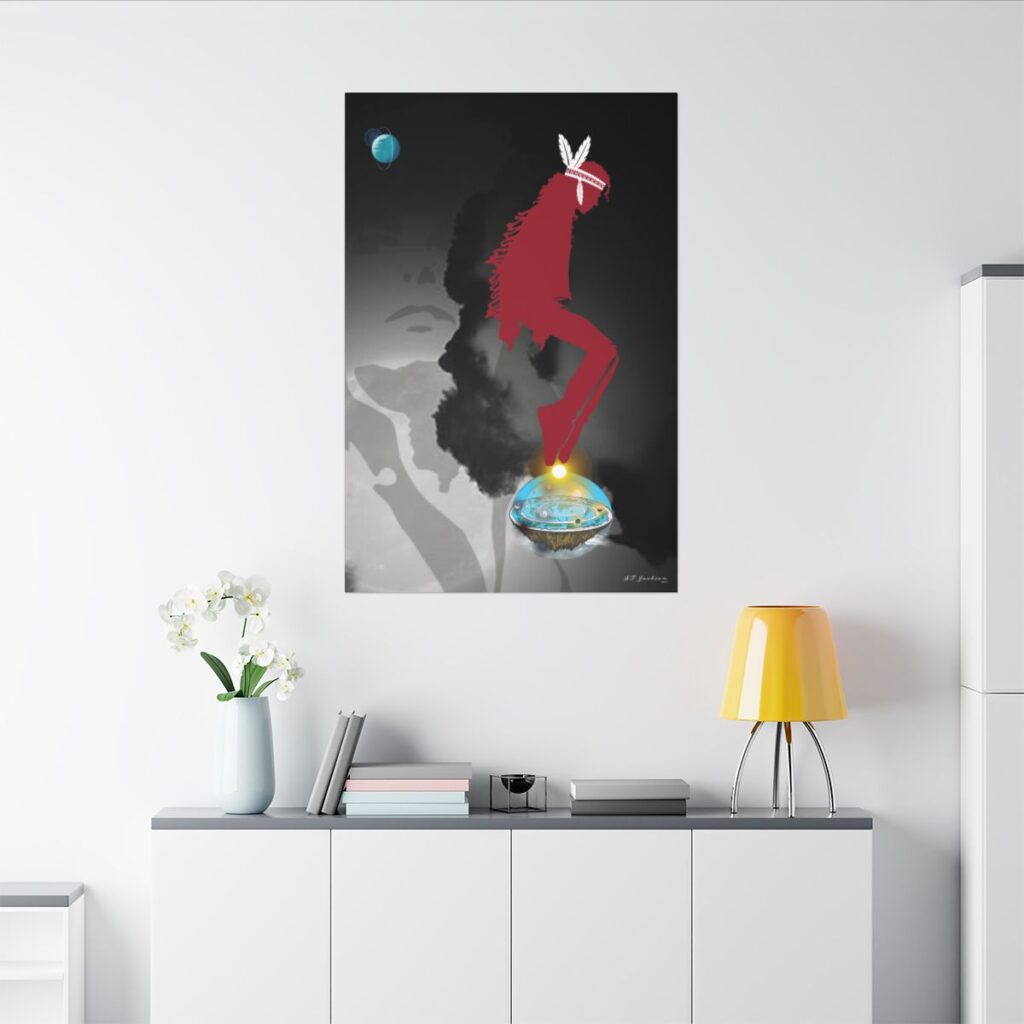
The SUN WALKER wall artwork takes the concept even further, transforming the design into a powerful visual centerpiece. In the artwork, the dancer appears suspended above a glowing sun that illuminates the world beneath his feet. Behind him, a ghostlike silhouette hints at the presence of Michael Jackson himself, watching over the moment like a memory that refuses to fade. Above the dancer floats above a flat planet, suggesting that the energy of rhythm and movement extends far beyond Earth.
The piece reads like a moment frozen between dimensions — a dancer standing between history and the cosmos. Displayed on a wall, the artwork becomes a conversation piece about culture, identity and the mythic power of performance.
Michael Jackson’s Enduring Cultural Influence

BUY NOW!
Michael Jackson’s impact on global culture is almost impossible to measure.
His album Thriller remains the best-selling album in history. His music videos redefined the visual language of popular music. His concerts became worldwide events capable of bringing entire cities to a standstill.
But perhaps his greatest influence was in the way he transformed dance into storytelling.
Artists across generations — from Beyoncé to Usher to Chris Brown — have drawn inspiration from the movement vocabulary Jackson created. His choreography blended street dance, theatrical movement and emotional expression into something completely new.
And yet, at its core, his dancing always felt simple and primal: a body moving to rhythm, echoing the same instinct that has driven ceremonial dance traditions for thousands of years.
A Tribute to Light, Rhythm and Memory

BUY NOW!
The SUN WALKER collection captures that idea — that music, movement and cultural identity are all connected. Through shirts, accessories and artwork, the collection imagines Michael Jackson not just as a pop icon, but as a symbolic Sun Walker — a dancer whose light touched the entire world. It reminds us that great art does not exist in isolation. It grows from history, from culture, from ancestry and from the rhythm of the earth beneath our feet.
At RMBR, the mission has always been simple, remember who we are.
The SUN WALKER collection continues that journey — honoring a legend, celebrating Indigenous identity, and reminding the world that the sun still rises on the power of rhythm, creativity and cultural memory. Because before the moonwalk…the sun was already rising.
ACCESSORIES



Michael Jackson
SIMPLY THE GREATEST ARTIST AND ENTERTAINER OF ALL TIME MICHAEL JACKSON
Michael was born August 29, 1958, in Gary, Indiana — a working-class steel town. He was the 7th of 9 children in a small house. No glamour. No privilege. Just tight quarters, factory noise and discipline. His father, Joe Jackson, worked at a steel mill and saw talent in his sons and pushed them relentlessly. Rehearsals were daily. Mistakes weren’t tolerated. Childhood, in many ways, was replaced by training. That pressure forged precision.
The Jackson 5 Era
Michael joined his brothers — Jackie, Tito, Jermaine and Marlon — forming the The Jackson 5. By age 8, Michael wasn’t just “the little brother.” He was the lead singer. That’s rare. Most child performers imitate.
Michael commanded. When they signed with Motown Records, Berry Gordy polished them for mainstream America. Matching outfits. Choreography. Media training. Smile on cue. And then came history: “I Want You Back”, “ABC”, “The Love You Save” and “I’ll Be There”. Four No. 1 hits in a row. Before he was 12 years old.
The Cost of Early Fame
Here’s the part people gloss over. Michael didn’t have a normal childhood. While other kids were outside playing, he was rehearsing, touring, recording. He later said he’d look out hotel windows and see kids playing and feel isolated. That loneliness never fully left him. You can hear it in songs decades later — the longing, the vulnerability, the desire to protect childhood (“Peter Pan” symbolism wasn’t random).
What Made Him Different Early
Even as a child, his timing was adult-level, his emotional delivery felt lived-in and his stage confidence was unnatural for his age. Watch early footage — he studies the crowd. He adjusts. He controls tempo. That’s instinct. But it was also discipline. Talent + relentless rehearsal + early exposure to professional standards = generational performer.
The Honest Take
His upbringing gave him work ethic most artists never develop, emotional depth beyond his years, a hunger to escape Gary and redefine himself. But it also left scars. And those scars fueled both his brilliance and his complexity. Let’s be clear: Michael Jackson wasn’t just “great.” He shifted the center of pop culture.
1. The Numbers Don’t Lie
- Thriller is still the best-selling album of all time.
- 13 No. 1 Billboard Hot 100 hits as a solo artist.
- Hundreds of millions of records sold worldwide.
- Multiple Grammy Awards, including a historic night in 1984.
That’s dominance across decades — from the 1970s through the 2000s.
2. He Changed Performance Forever
Before MJ, pop stars sang and danced.
After MJ, they had to compete.
- The moonwalk at Motown 25? Cultural reset.
- The Billie Jean lean? Precision.
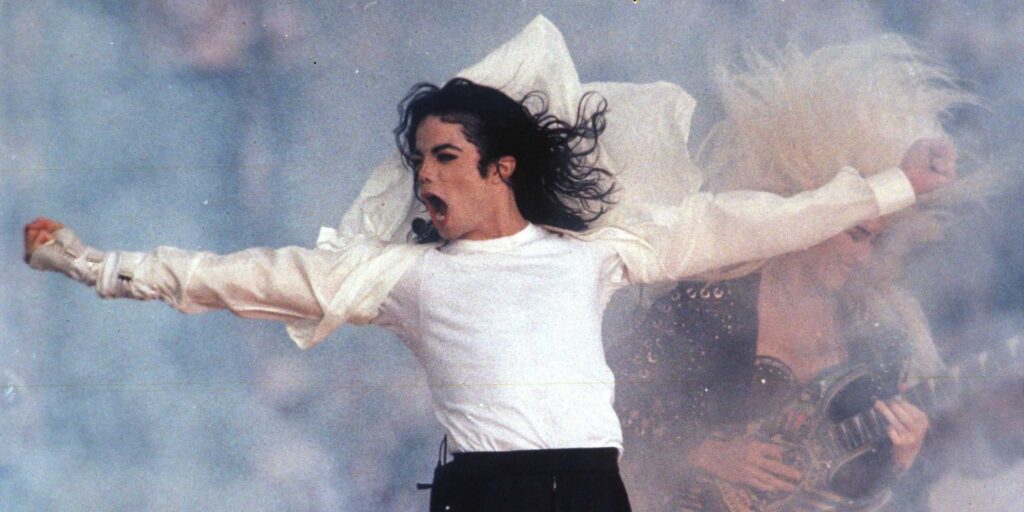
- The 1993 Super Bowl halftime show? Set the blueprint for modern halftime spectacles.
He combined James Brown’s intensity, Fred Astaire’s finesse and stadium-level theatrics into one package.
3. He Turned Music Videos Into Cinema
When Thriller dropped, it wasn’t a music video — it was a short film. That moment helped turn MTV into a global force and raised the standard for visual storytelling in music. Artists today — from Chris Brown to Beyoncé to Kendrick Lamar — operate in a world he helped architect.
4. Cultural Impact
He broke racial barriers on MTV when Black artists were barely played. He globalized pop — kids in Tokyo, Lagos, London and Rio all knew the same choreography. Few entertainers in history had that kind of cross-cultural reach. Michael Jackson was just as famous as Jesus Christ at one time.
How Great Was He, Really?
He wasn’t just a superstar. He was a cultural earthquake. He understood myth, symbolism, performance and global narrative control. That’s not accidental greatness. That’s strategic brilliance mixed with talent.
Michael Jackson – Global Entertainment Icon
- Peak fame: 1983–2009
- Recognized in virtually every country with access to television.
- Possibly the most photographed and televised entertainer of the 20th century.
- Stadiums of 50,000–100,000 people repeatedly across continents.
- At one point, arguably the most recognizable living person on Earth.
His influence = music, fashion, dance, pop culture, global media.
But his influence is cultural — not spiritual doctrine.
Why Michael Jackson Is Often Considered #1 in Modern Media Reach
- Performed on every inhabited continent.
- Massive fan bases in Asia, Africa, Europe, the Middle East, South America.
- Music crossed language barriers — rhythm first, translation second.
- His 2009 death triggered one of the largest simultaneous global mourning events in media history.
He didn’t need subtitles.
He didn’t need translation.
The emotion translated.
That’s rare.