

PEACE and ORDER: The Gun, Identity and the American Indian Story
How a Single Symbol Became the “Great Equalizer” in the History of Turtle Island
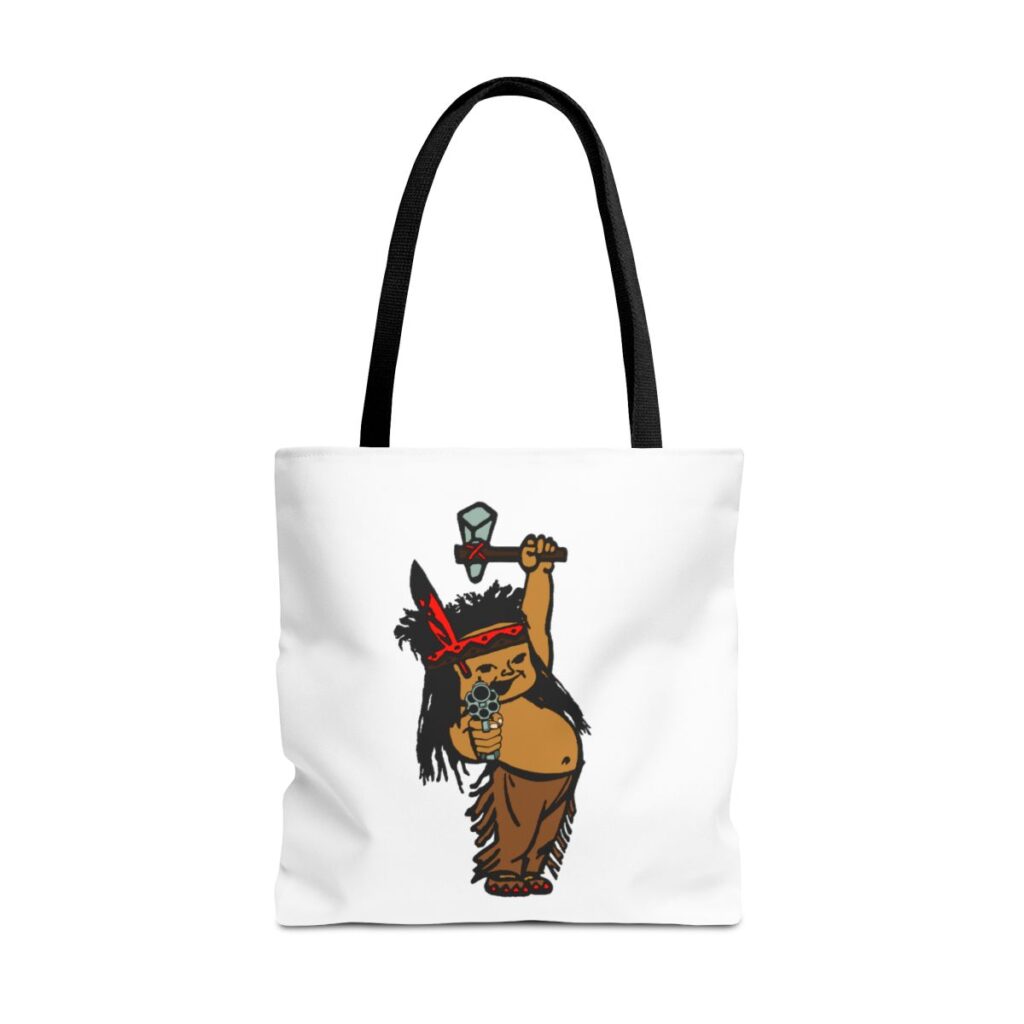
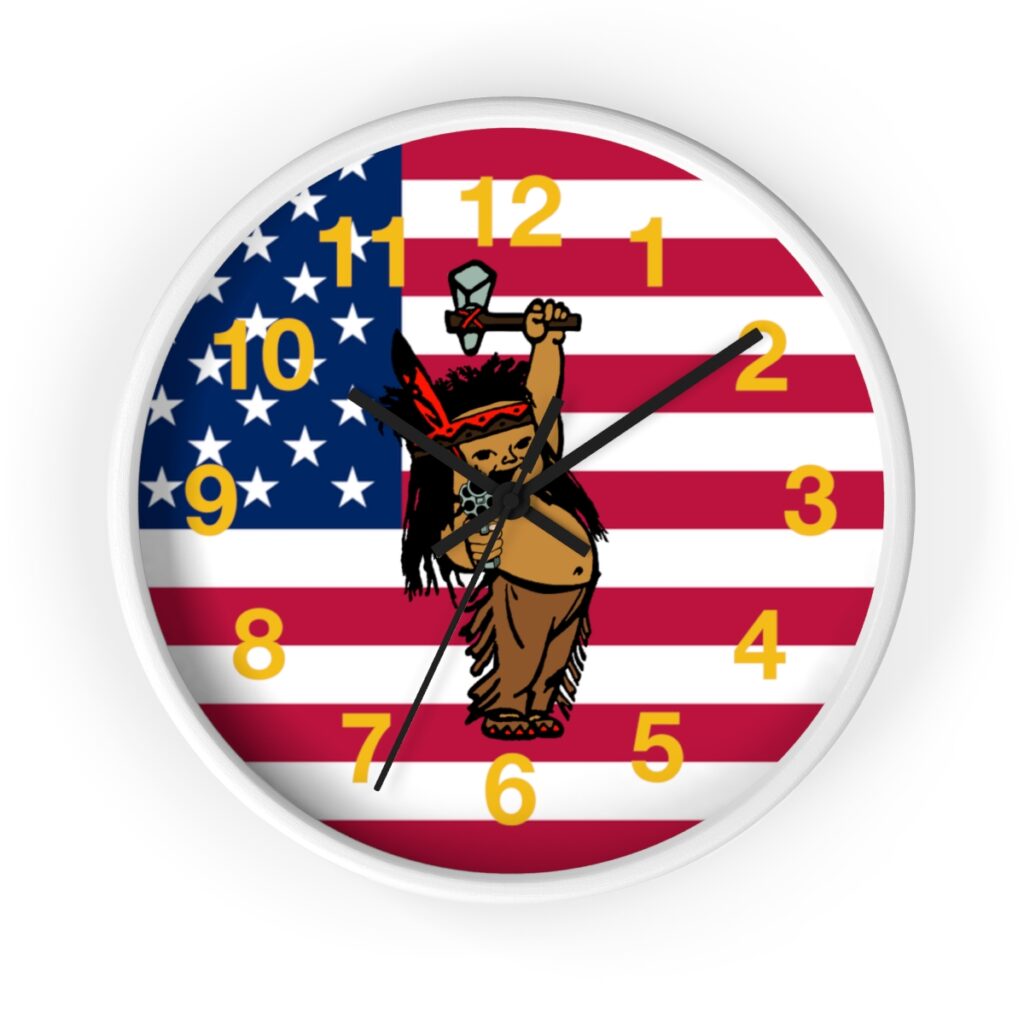
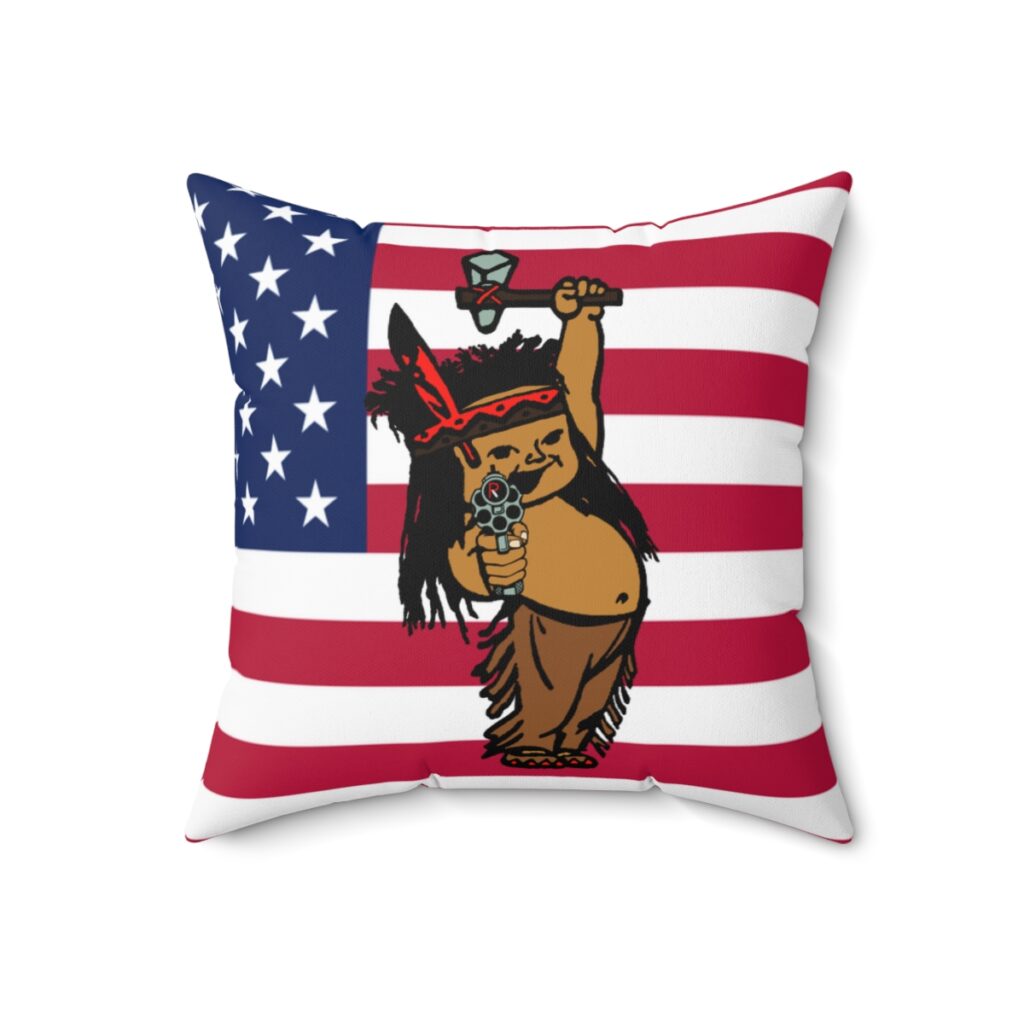
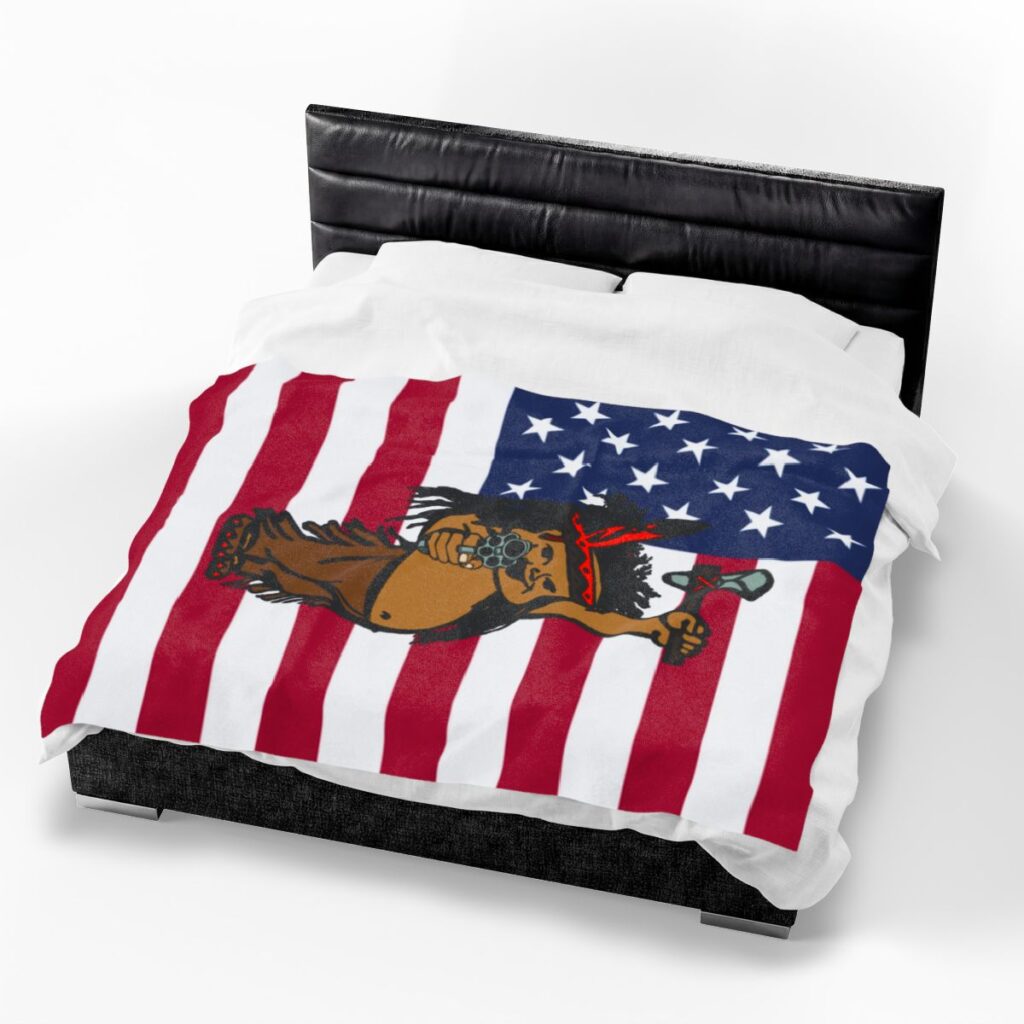
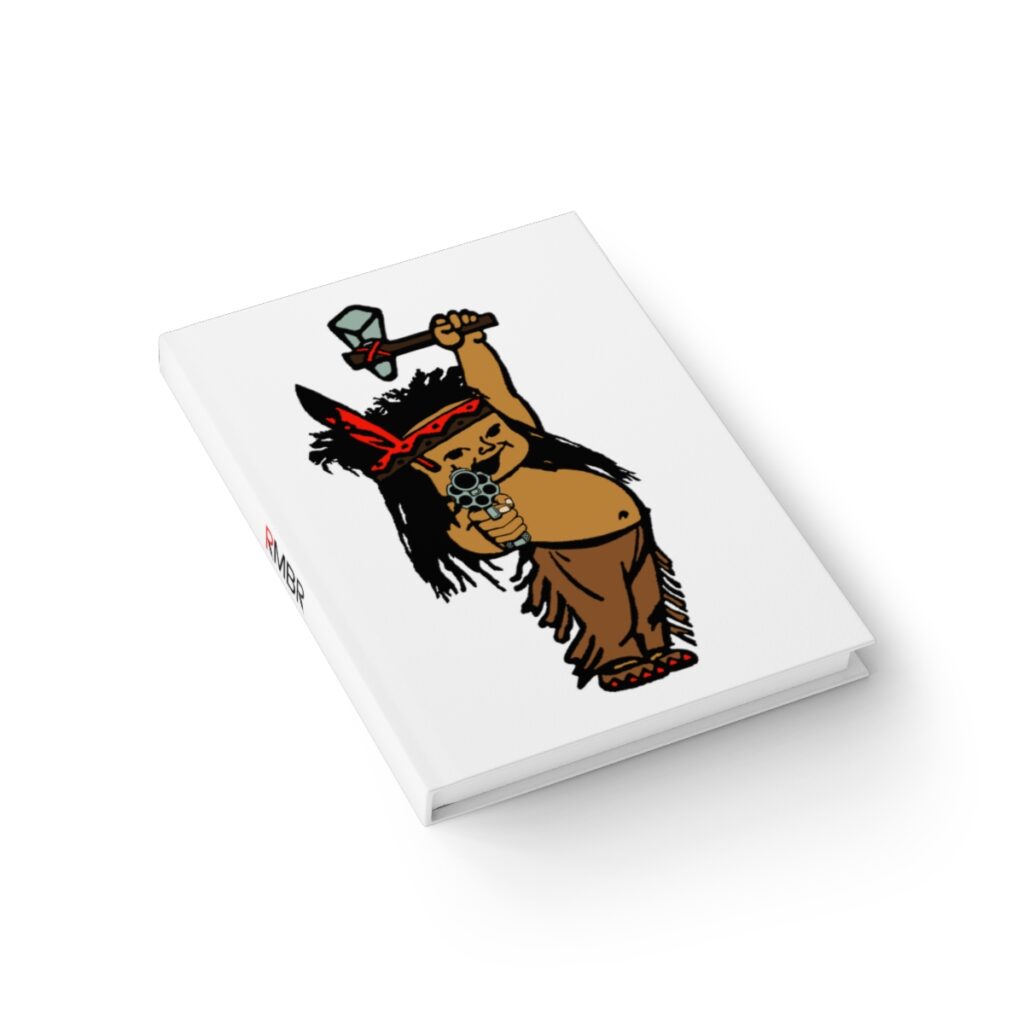
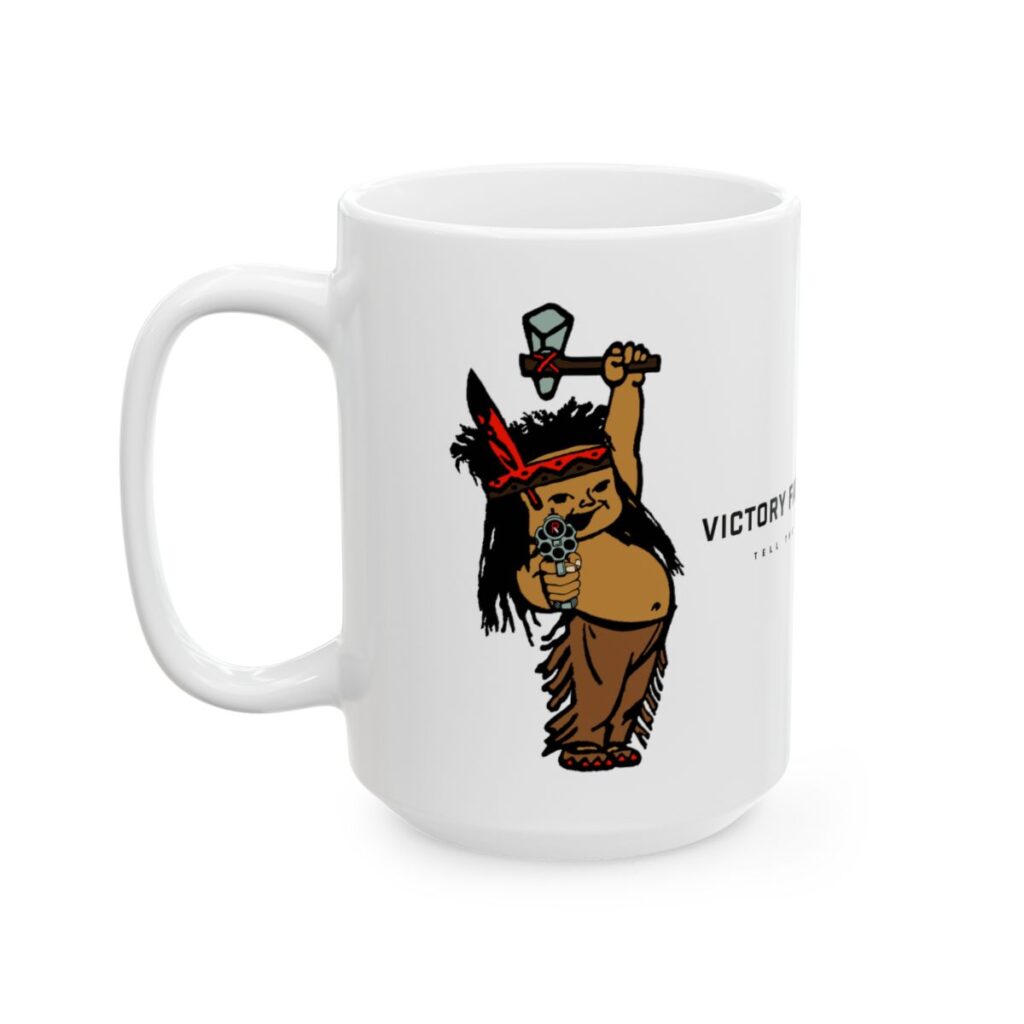
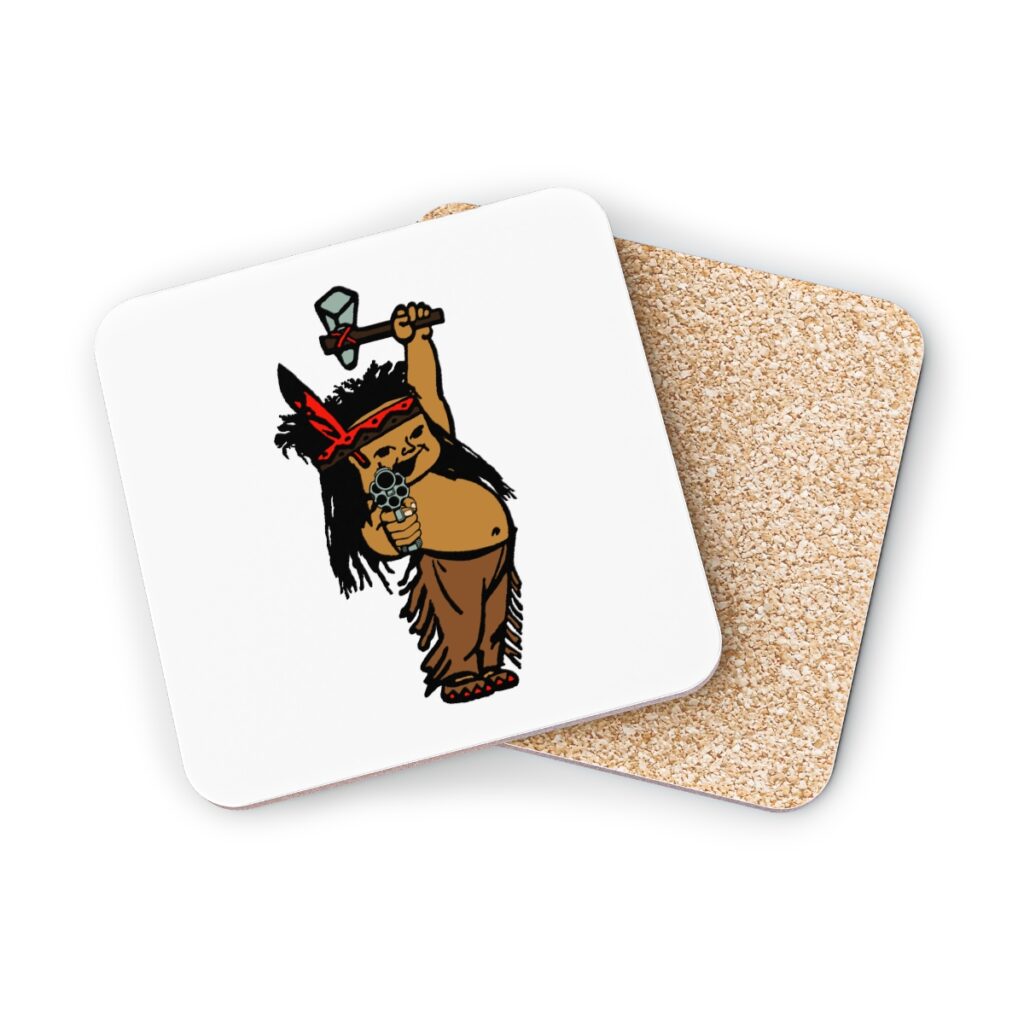
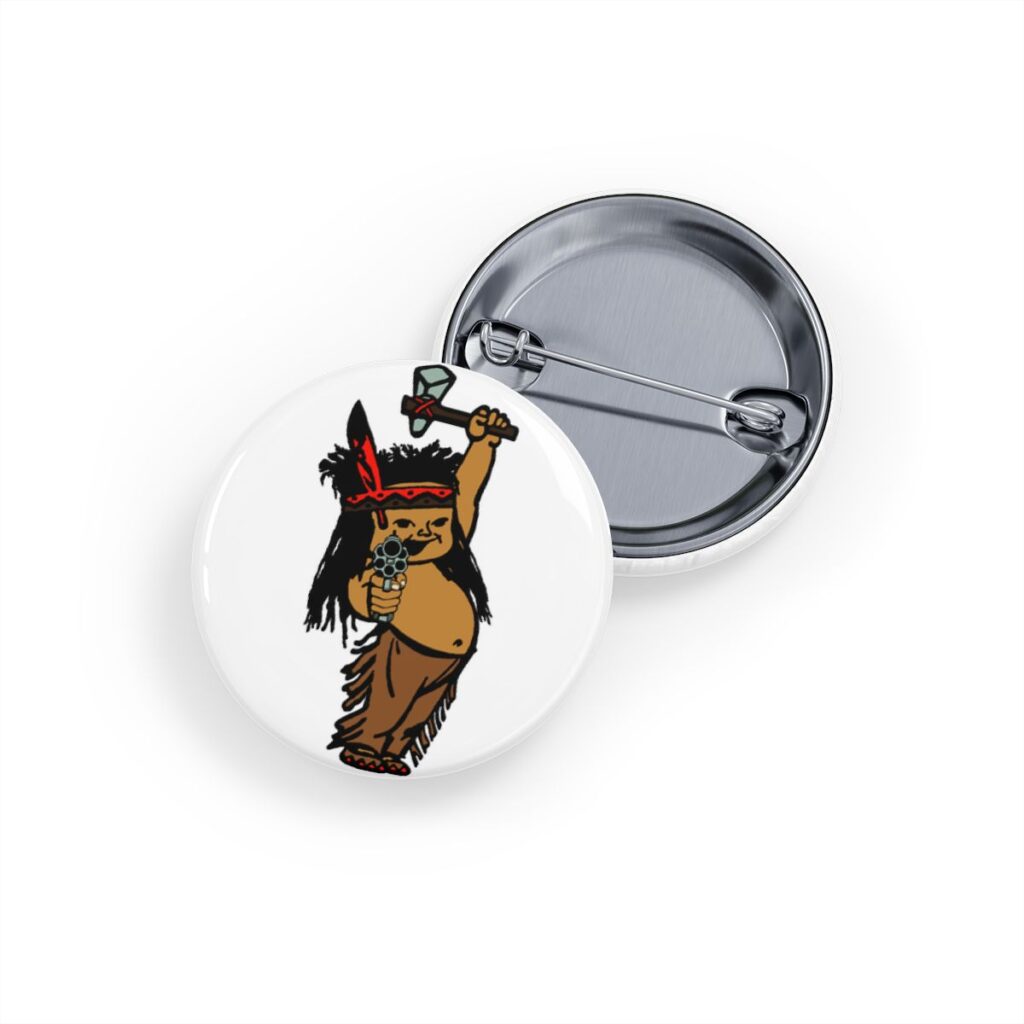
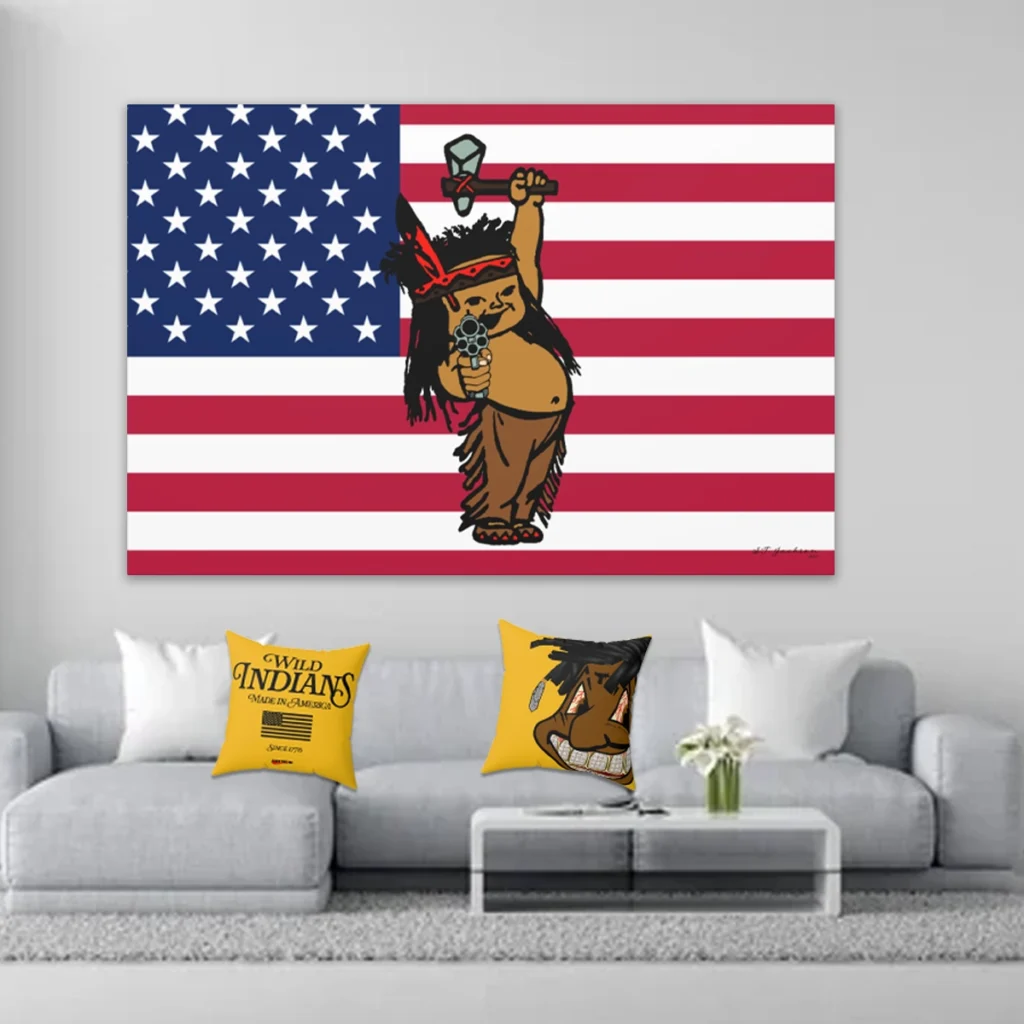
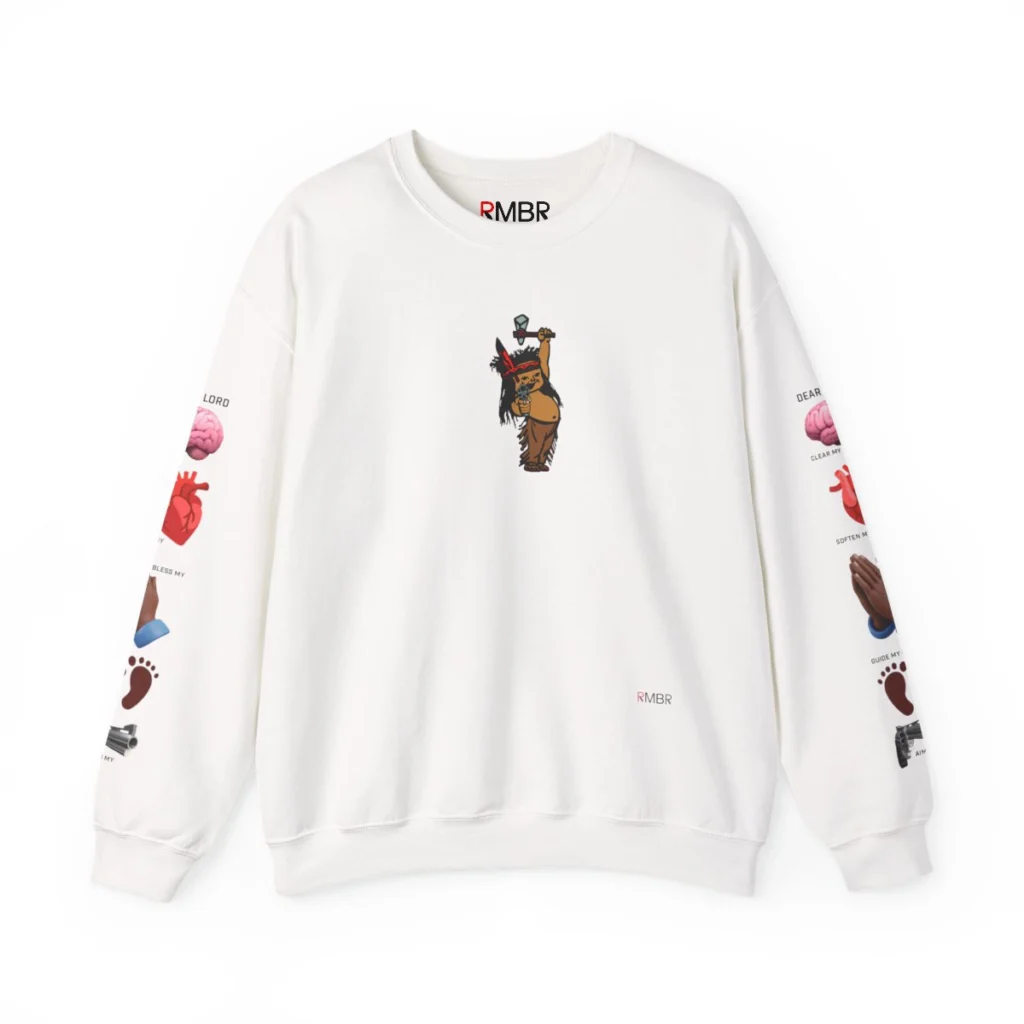
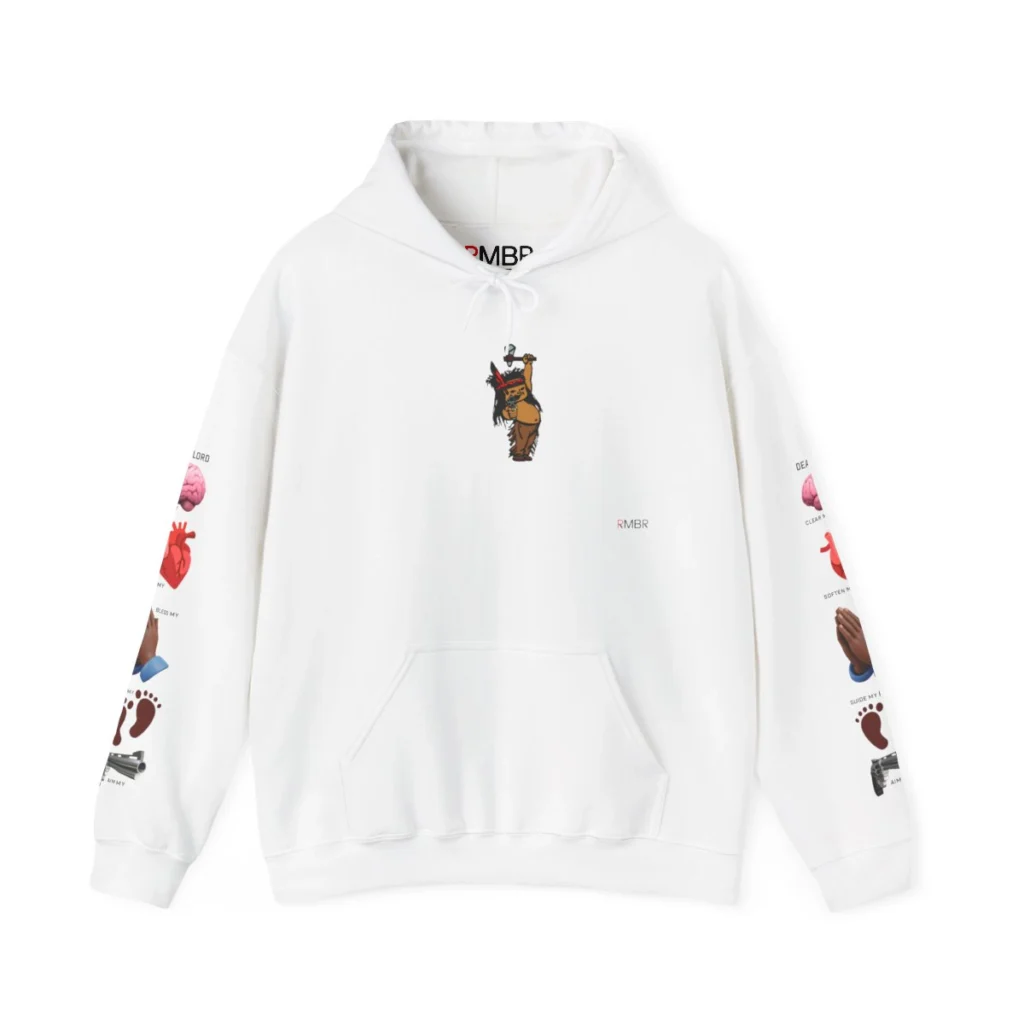
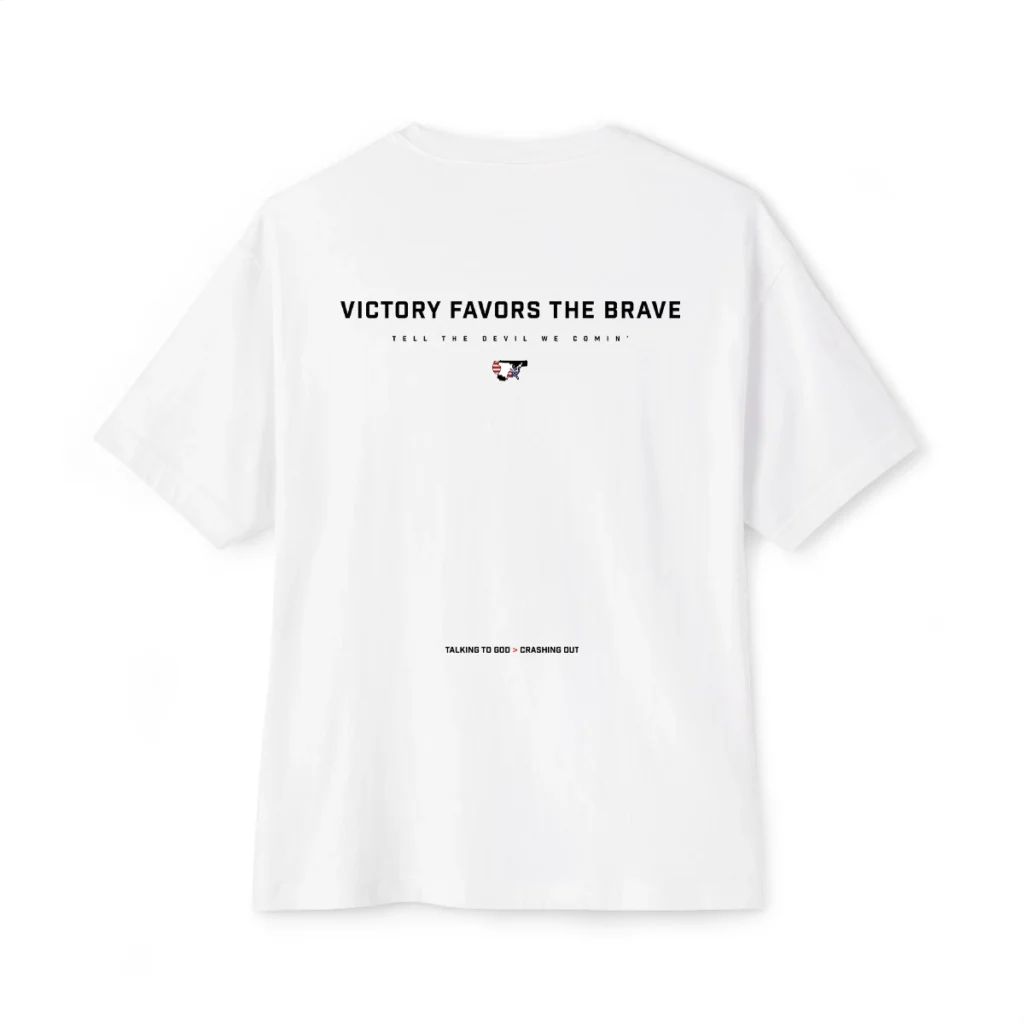
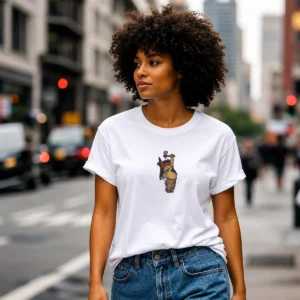 At first glance, the PEACE and ORDER shirts, accessories and art from RMBR Brand looks bold, rebellious and unapologetic. A stylized American Indian figure stands confidently, one hand raising a tomahawk, the other aiming a revolver forward — a striking visual that commands attention. Above and below, powerful statements frame the message: “Victory Favors the Brave” and “Talking to God > Crashing Out.”
But like many designs in the RMBR universe, these shirts, accessories and art is far more than clothing, accessories and artwork. It’s a layered historical commentary about power, resistance, identity and the complicated relationship between American Indians and firearms during colonization.
The PEACE and ORDER design taps into a deeper story that stretches back centuries — a story of first contact, survival, adaptation and eventually resistance. These shirt, accessories and wall art isn’t just about weapons. It’s about what those weapons represented in the long arc of American history. And to understand the meaning behind this piece, we have to go back to the beginning.
The First Encounters: When American Indians Saw the Gun
 The thunder of gunpowder, the smoke and the sudden ability to strike from distance changed the dynamics of warfare overnight. Many early accounts describe Indigenous warriors initially referring to firearms with expressions that translated loosely to “son of gun” or “thunder weapon.”
This wasn’t just because the weapon made noise. It was because it seemed almost supernatural. Yet the story didn’t end with fear. American Indians adapted quickly.
Adaptation: The Indigenous Mastery of Firearms
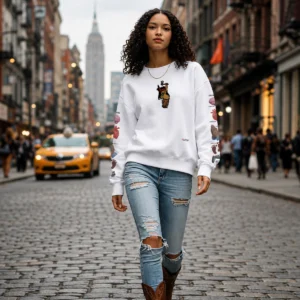 Firearms became deeply embedded in Indigenous diplomacy and warfare. Some tribes even became more proficient with firearms than the colonists themselves. By the 1700s, Native warriors had integrated muskets into their battle strategies, combining them with traditional tactics like ambush, mobility and knowledge of terrain. In many conflicts, Indigenous forces proved extremely effective. The weapon that once symbolized colonial power began to take on a different meaning. It became something else. It became the Great Equalizer.
The Gun as the “Great Equalizer”
 The phrase “Great Equalizer” is often used in American gun culture today, but its roots go much deeper. For many Indigenous communities facing the expansion of European settlements, firearms leveled the playing field against better-equipped armies. A musket in the hands of a skilled warrior could change the outcome of a battle. This shift was seen during numerous conflicts across early America:
- The Seven Nations War
-
The Beaver Wars
-
The French and Indian War
-
The Pontiac War
-
The Tecumseh Confederacy resistance
Indigenous leaders understood that technology alone did not determine victory. Strategy did. Unity did. Knowledge of the land did. But the gun provided a new tool in that struggle. The PEACE and ORDER garments and items captures that moment in history when the gun transformed from a foreign object into a symbol of resistance.
Colonization and Control
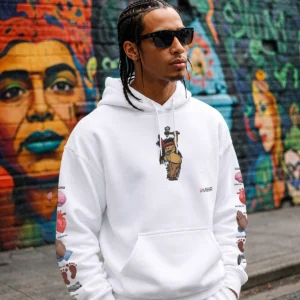 As colonization intensified, European powers recognized something important. If Indigenous nations continued gaining access to firearms, their ability to resist expansion would grow stronger. So colonists began controlling gun access.
Trading regulations, weapon bans and political manipulation were used to influence which tribes received firearms and which did not. This tactic was a classic colonial strategy: divide and control. But despite these efforts, Indigenous communities continued adapting. They understood that survival in the new world order required flexibility.
And that adaptability became one of the defining characteristics of Indigenous resistance throughout American history.
Symbolism in the PEACE & ORDER Design
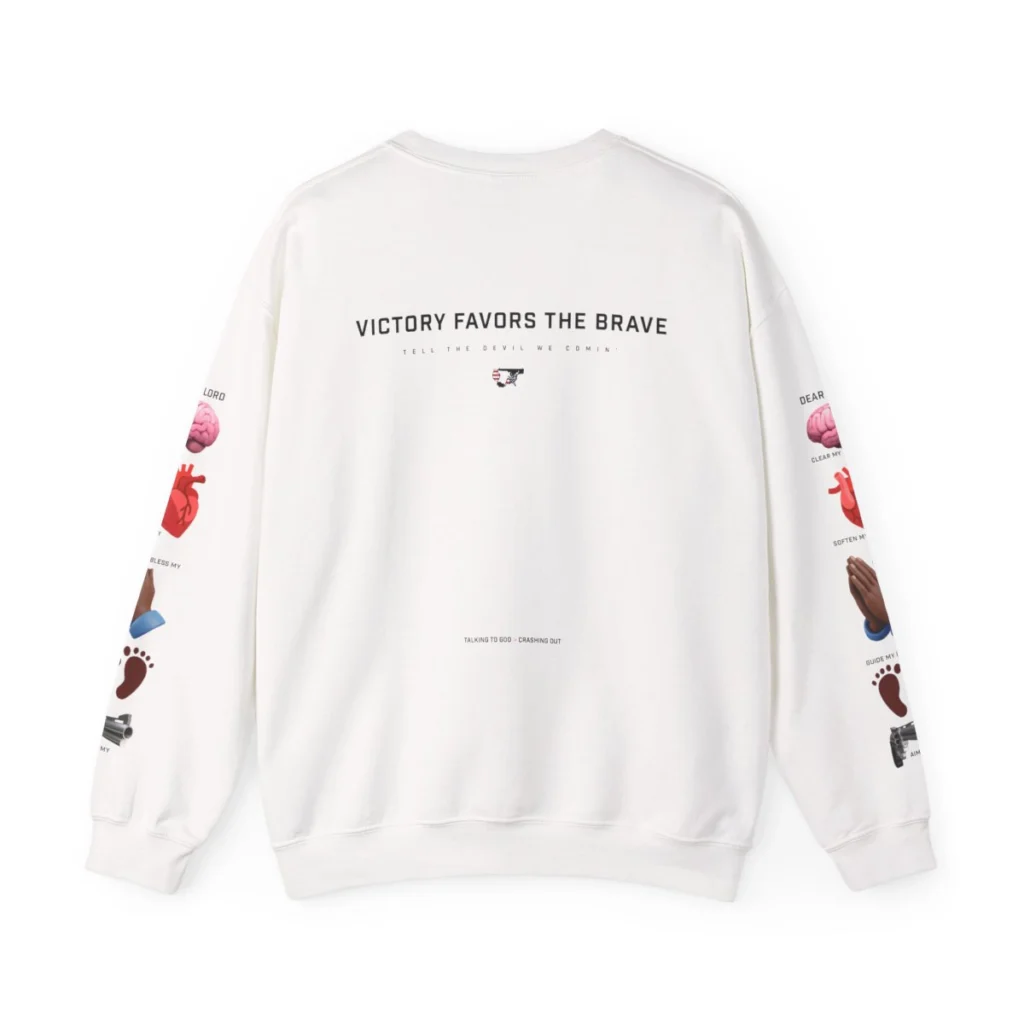
 The imagery on the PEACE and ORDER sweatshirt reflects this layered history. The character in the design stands confidently, embodying both heritage and modern identity. The raised tomahawk represents labor, resilience and the building of America itself. The firearm represents the Great Equalizer, the tool that transformed the balance of power during colonization.
Together, these two symbols tell a powerful story: America wasn’t just built by settlers. It was shaped by the people who were already here. And those people fought to survive. The phrase “Victory Favors the Brave” reinforces this message. Throughout history, Indigenous resistance has been defined by courage.
Leaders like Tecumseh, Sitting Bull, Geronimo and Crazy Horse all stood against overwhelming odds to defend their people and their lands. The phrase is more than a slogan. It’s a reminder of that bravery.
Talking to God > Crashing Out
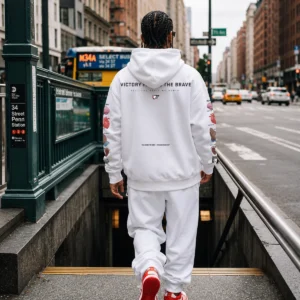 Another key message on the shirt reads: “Talking to God > Crashing Out.” This line introduces a deeper philosophical layer to the design. It suggests that true strength isn’t just physical power. It’s spiritual grounding.
Many Indigenous traditions emphasize prayer, reflection and connection with the Creator before entering battle or making major decisions. Warriors weren’t simply fighters. They were spiritual leaders, protectors and representatives of their people.
This phrase encourages discipline and reflection rather than reckless anger. In a modern context, it reminds the wearer that wisdom should guide strength.
The American Love Affair with Firearms
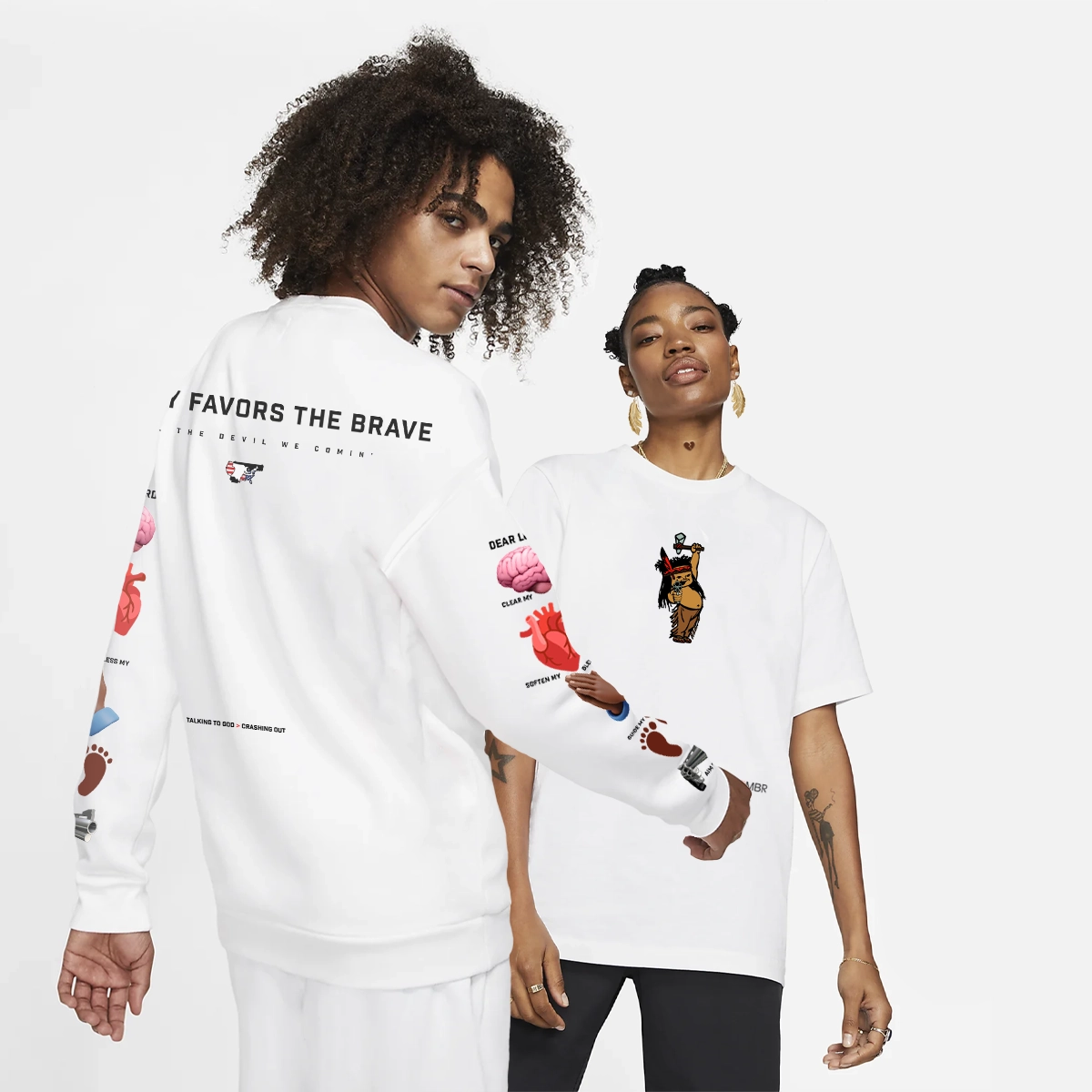
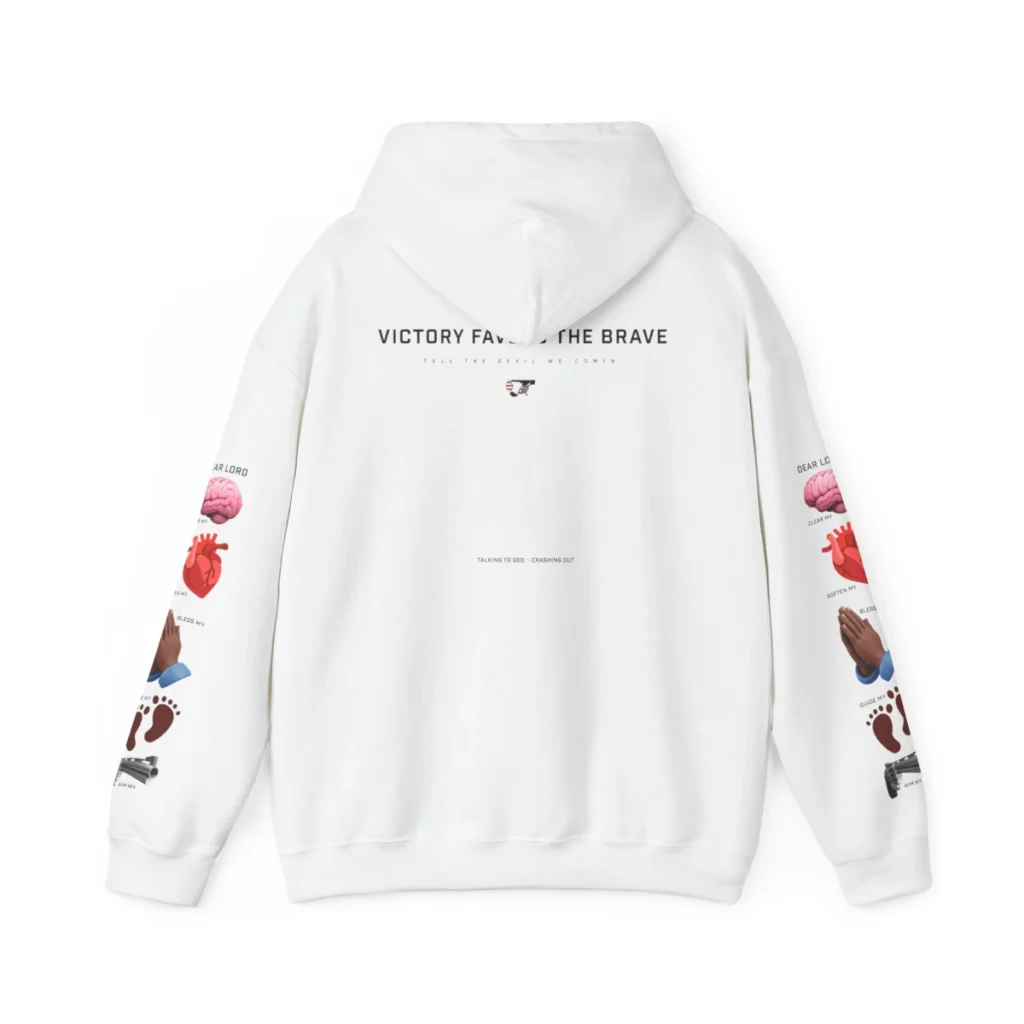
The PEACE and ORDER hoodie also acknowledges a broader cultural reality. America has always had a complex relationship with guns. From the frontier era to modern debates about the Second Amendment, firearms have played a central role in shaping American identity.
But the story of guns in America often overlooks Indigenous perspectives. For Indigenous peoples, firearms were never simply symbols of freedom or danger. They were tools of survival within a rapidly changing world.
The gun represents both sides of American history of colonization and resistance. Both truths exist simultaneously. And that tension is part of what the PEACE and ORDER design explores.
RMBR: Clothing That Tells the Story
 At RMBR Brand, clothing isn’t just about aesthetics. It’s about remembering history. The name RMBR itself stands for “Remember.” Every design in the collection challenges people to think deeper about identity, heritage and the stories that shaped America.
The PEACE and ORDER shirts, accessories and art continues that tradition. It asks questions. It sparks conversation. It invites people to look beyond simplified versions of history and explore the full complexity of the American experience. Because the past isn’t as simple as textbooks make it seem. And remembering matters.
Fashion as Cultural Memory
 In today’s world, clothing is one of the most powerful storytelling tools available. A shirt can carry a message into spaces where history books rarely reach. When someone wears the PEACE and ORDER design, they’re not just wearing a graphic. They’re carrying a conversation starter. They’re carrying a piece of cultural memory. That’s the mission behind RMBR. To create designs that challenge assumptions. To inspire curiosity. To remind people that identity is layered, complex and deeply connected to history.
Wear the Story
The PEACE and ORDER shirts, accessories and wall art are bold, provocative and unapologetic. But its purpose isn’t just to shock. It’s to educate. It’s to remind. It’s to encourage people to ask deeper questions about the past and how it shapes the present. Because history doesn’t disappear. It lives in our stories, our culture and even the clothes we wear. And sometimes, the most powerful statement you can make is simply this: Remember.
ACCESSORIES